Tarantula Care Guide: Everything You Need to Know About Temperature, Humidity & Feeding

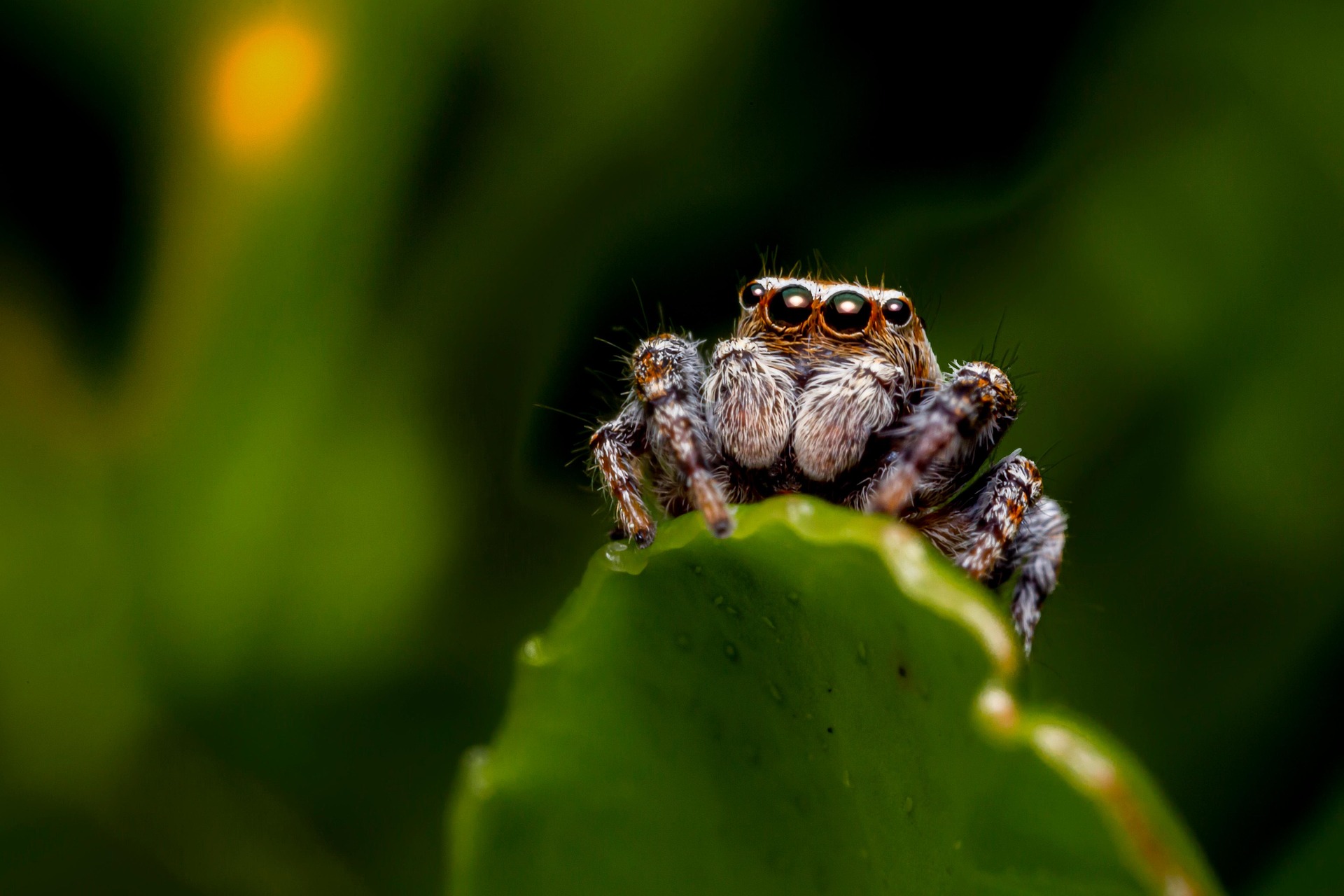
Keeping a tarantula healthy is surprisingly simple once you move past the myths. Unlike traditional pets, tarantulas are low-energy, high-efficiency predators that require minimal daily intervention. At Silk Road Exotics, we follow the “Less is More” philosophy of husbandry. Here is the definitive guide to keeping your eight-legged investment thriving.
1. The Enclosure: Safety Over Space
The #1 mistake new keepers make is buying an enclosure that is too large. In a massive tank, a tarantula may struggle to find its prey and is at a much higher risk of a fatal fall.
- Terrestrial Species: Floor space should be 2-3x the diagonal leg span. Crucial: Ensure the height from the substrate to the lid is no more than 1.5x the spider’s leg span. A fall for a heavy-bodied terrestrial can be fatal.
- Arboreal Species: These need vertical height and plenty of “cross-ventilation.” Stagnant air is a leading cause of death for tree-dwelling species.
2. Substrate: The Foundation of Health
Substrate isn’t just “dirt”—it’s a humidity regulator and a structural tool. We recommend 3-5 inches of depth for terrestrials to allow for natural burrowing.
- The Silk Road Blend: A 70/30 mix of chemical-free topsoil and peat moss.
- Avoid: Never use cedar or pine shavings; the aromatic oils are toxic to invertebrates.
- Pro-Tip: Pack the substrate down firmly. Most spiders (especially Chilean species) hate walking on “fluffy” or loose substrate.
3. Temperature: The “T-Shirt” Rule
Most tarantulas thrive at standard room temperatures (**70-78°F**). A simple rule of thumb: If you are comfortable in a t-shirt, your tarantula is comfortable.
Never use: Heat lamps, heat rocks, or under-tank mats. These create “hot spots” that can cook your spider or cause fatal dehydration. If your room is consistently below 65°F, use a space heater to warm the entire room.
4. Humidity: Forget the Gauges
Most cheap hygrometers are notoriously inaccurate. Instead of chasing a percentage on a dial, look at the substrate moisture:
- Arid Species (Desert): Keep the substrate bone-dry. Provide a full water dish at all times.
- Tropical Species: Use the “Corner-Water” method. Pour water into one corner so the bottom layers are damp while the surface remains dry. This prevents mold while providing a moisture gradient.
5. Feeding: The Abdomen Rule
Forget the calendar—look at your spider’s abdomen. If the abdomen is wider than the carapace (head), your spider is well-fed. If it looks like a grape about to pop, stop feeding.
- Prey Items: Crickets, Dubia roaches, and Mealworms are the gold standard.
- Safety First: Never leave live crickets in an enclosure for more than 24 hours. If your spider is in “pre-molt,” a cricket can actually attack and kill your tarantula while it is vulnerable.
6. The Molting Process
Molting is the most stressful time for both the spider and the keeper. Your tarantula will stop eating (sometimes for months) and may eventually flip onto its back. DO NOT TOUCH IT. It is not dead; it is shedding its exoskeleton. After a molt, wait 7-10 days before feeding to allow the new fangs to harden.
7. Common Mistakes to Avoid
- Mistake #1: Over-misting. A swampy enclosure leads to mites and fungal infections. Cross-ventilation is your best friend.
- Mistake #2: Handling. Tarantulas are “hands-off” pets. Handling causes them stress and puts them at risk of a fatal drop.
- Mistake #3: Panic during a “Fast.” A tarantula refusing food for 3 months is often just preparing to molt. As long as they have water and a plump abdomen, they are fine.
Looking for Species-Specific Care?
Every animal we sell comes with a dedicated digital care guide tailored to its specific needs.