Straight Horned Baboon Tarantula Care Guide: Everything You Need to Know About Ceratogyrus marshalli

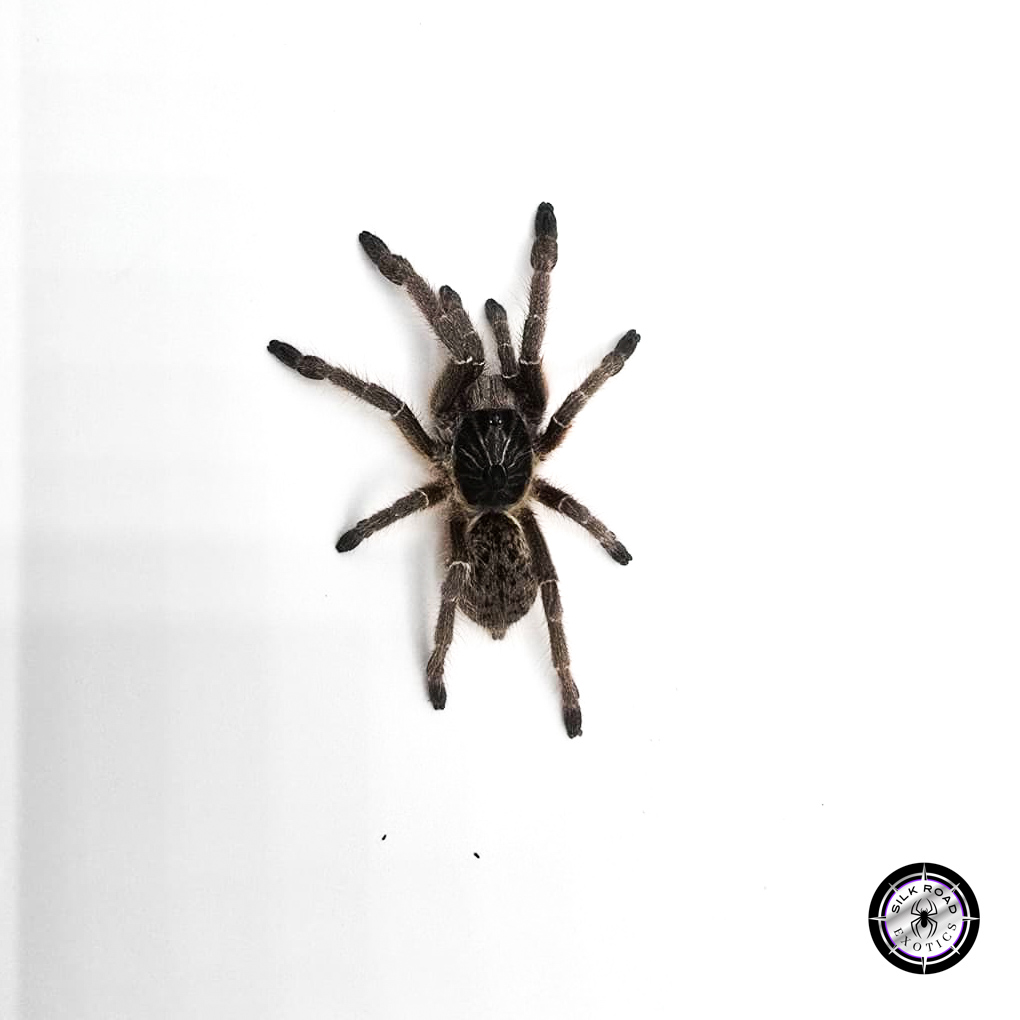
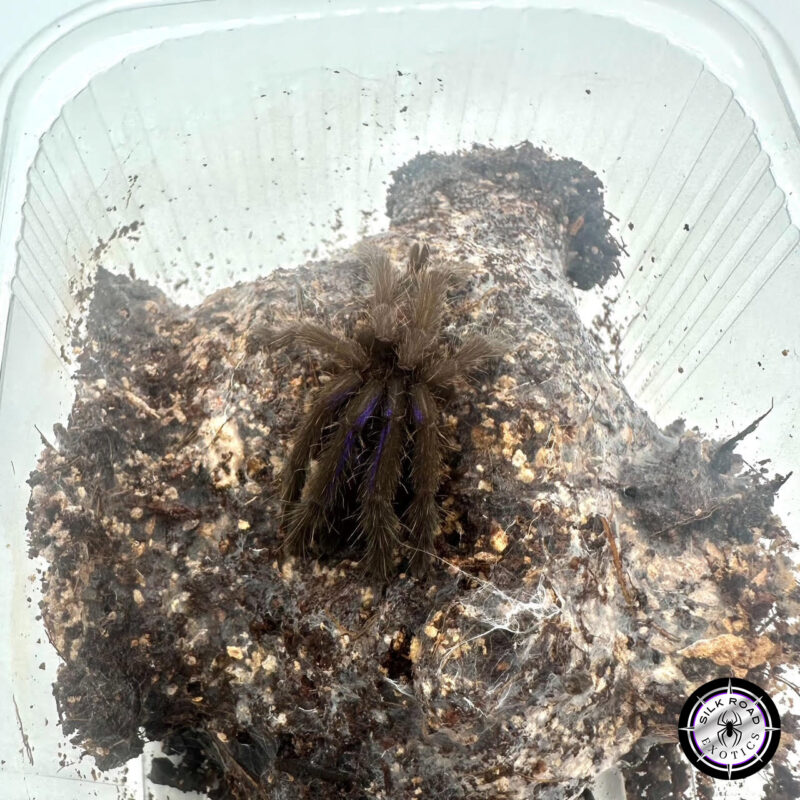
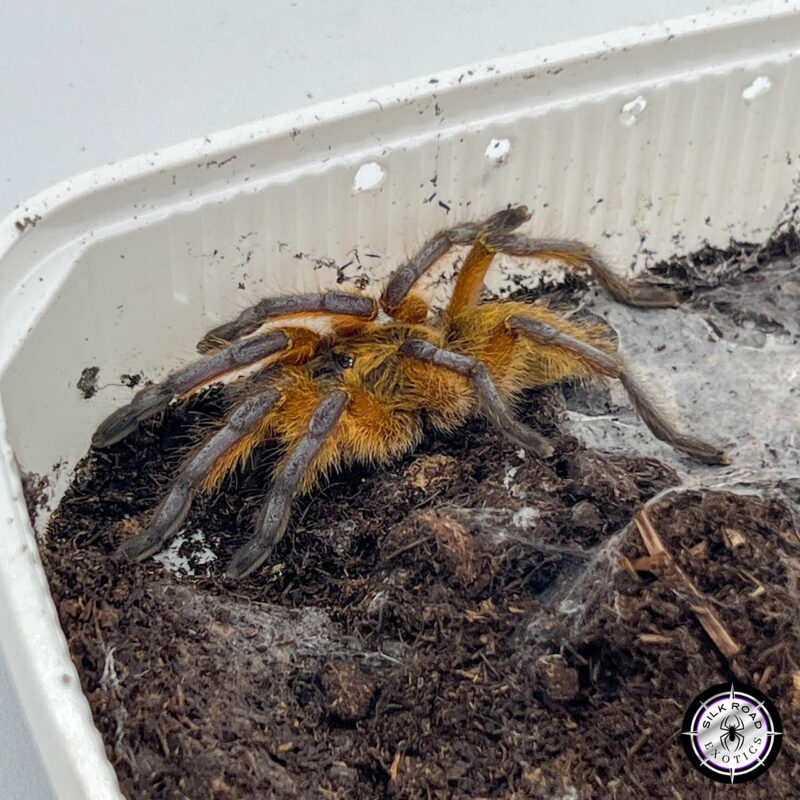
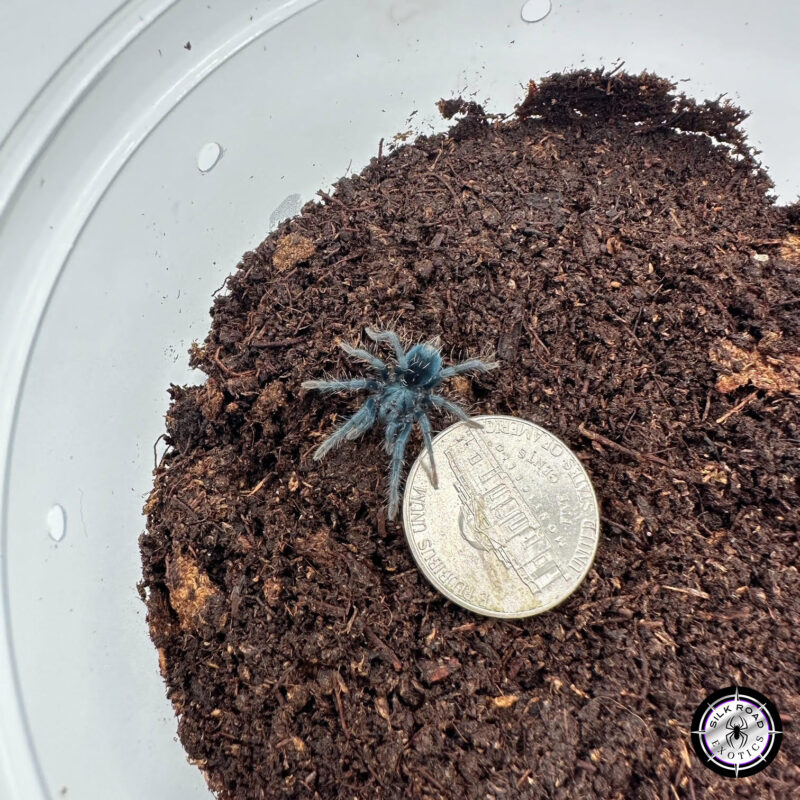
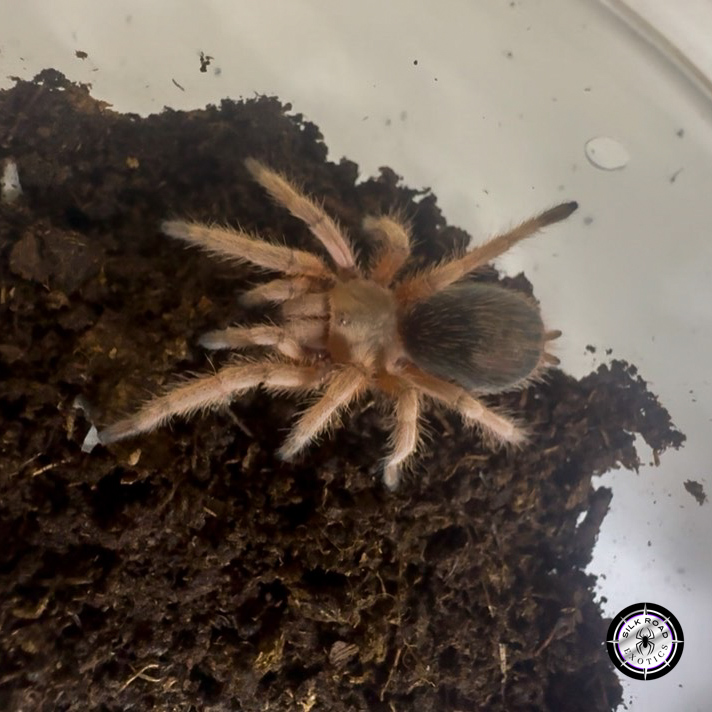
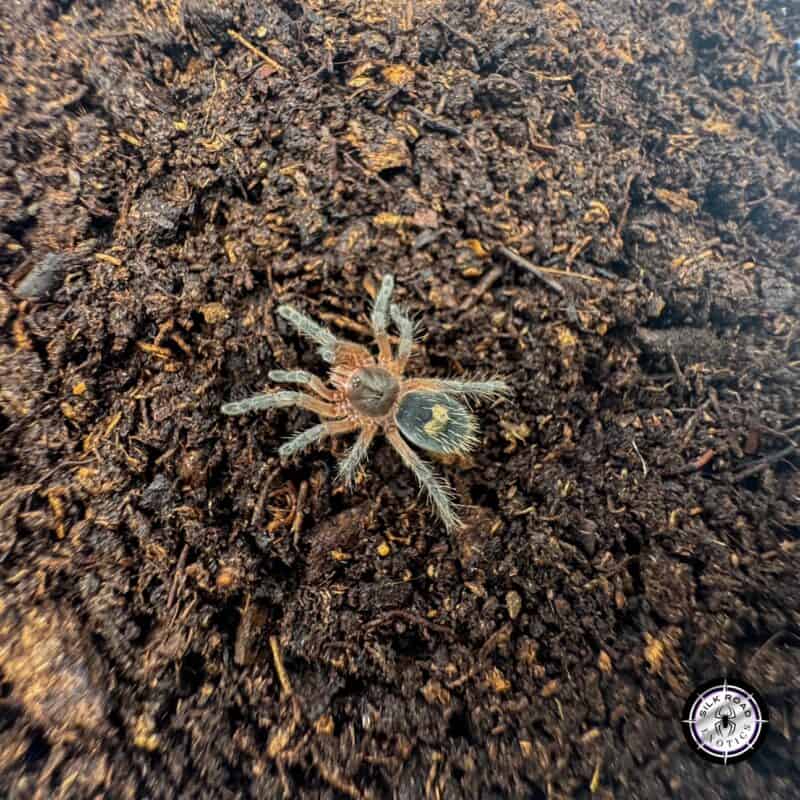
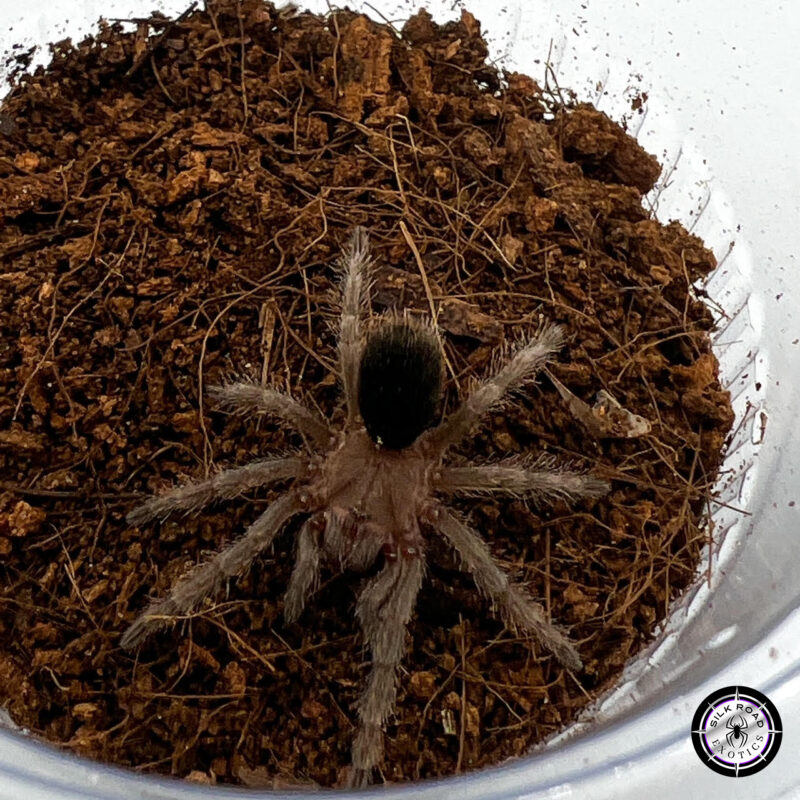
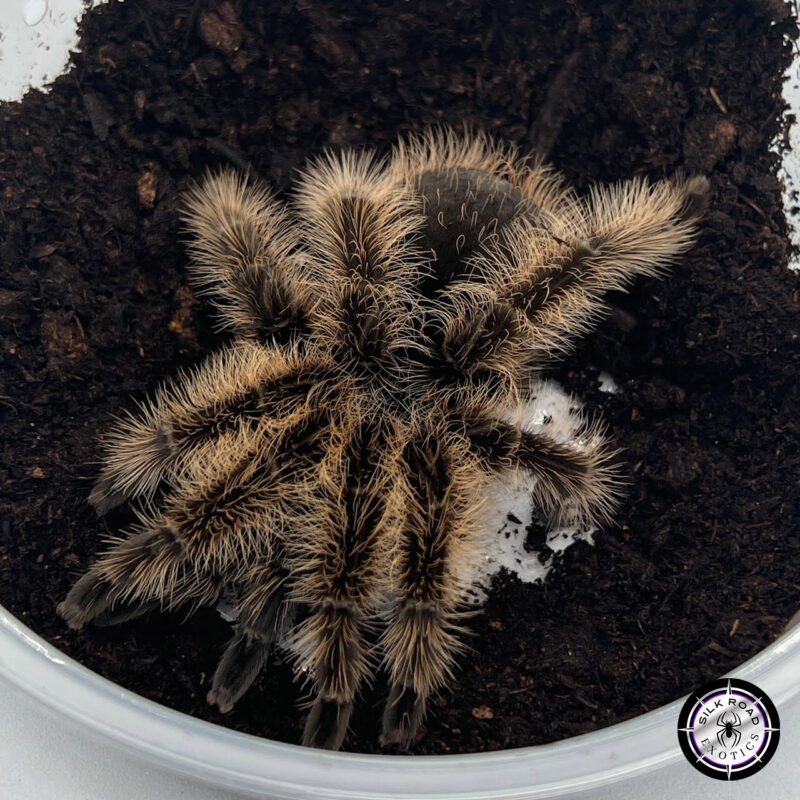
The Straight Horned Baboon Tarantula (Ceratogyrus marshalli) is one of the most anatomically bizarre and visually commanding species in the world. Native to the arid scrublands of Zimbabwe and Mozambique, this Old World powerhouse is defined by a singular, massive foveal horn that projects straight up from its carapace. No other genus in the tarantula hobby possesses this unique feature, making the “Marshalli” an essential centerpiece for any serious collector of African exotics.
At Silk Road Exotics, we consider C. marshalli the “heavyweight” of the horned baboons. While its cousin, C. darlingi, has a smaller, curved horn, the Marshalli boasts a larger, more vertical spike and a significantly greater adult size. Clad in earthy greys, deep blacks, and subtle tans, this spider doesn’t need bright colors to impress—its prehistoric silhouette and bold, defensive “Baboon” attitude do all the talking. This is a species for the keeper who respects power, speed, and evolutionary uniqueness.
Beyond the horn, C. marshalli is a master architect. They are obligate burrowers and prolific webbers, often turning their enclosure into a complex fortress of silken tunnels and excavated substrate. Watching them emerge from their silk-lined burrows during feeding time is one of the most rewarding experiences in the hobby. If you are ready to move beyond “pet rocks” and experience the raw intensity of an Old World fossorial, the Straight Horned Baboon is the gold standard.
| Species | Ceratogyrus marshalli |
| Common Name | Straight Horned Baboon |
| Origin | Zimbabwe / Mozambique (Africa) |
| Adult Size | 5-5.5 inches (13-14 cm) |
| Lifespan | Females: 12-15 years, Males: 3-4 years |
| Growth Rate | Fast |
| Temperament | Defensive, Skittish, and Very Fast |
| Care Level | Intermediate / Advanced |
| Type | Fossorial (Deep Burrower) |
| Handling | STRICTLY NO (Potent Venom) |
Enclosure Setup
Size & Depth
Because C. marshalli is an obligate fossorial species, vertical depth is more important than horizontal floor space. Adults should be housed in “Tall” terrestrial enclosures or deep 5-10 gallon tanks that allow for at least 6-8 inches of substrate. If they cannot burrow deep, they will become stressed and highly defensive. Juveniles should be given as much depth as their size allows to encourage natural behavior from day one.
Substrate
A firm, moisture-retaining substrate is key for tunnel integrity. We recommend a mix of 70% topsoil and 30% peat or clay. Pack the substrate down firmly so the tunnels do not collapse. Keep the bottom 2 inches of substrate slightly damp, while the surface remains bone-dry. This mimics the African plains, where moisture is found deep underground away from the baking sun.
Hide and Webbing
Provide a starting point for their burrow, such as a piece of cork bark buried halfway into the dirt. C. marshalli are “heavy lifters”—they will excavate massive amounts of dirt and reinforce the entrance with thick, white silk. Do not be alarmed if your spider “seals” itself in for weeks; this is normal behavior for a fossorial species.
Ventilation
Excellent cross-ventilation is required. Stagnant air inside a deep burrow can lead to bacterial issues. Ensure the enclosure has ventilation holes on the sides near the substrate level to keep the air moving.
Temperature and Humidity
They prefer it warm! Aim for 76-84°F (24-29°C). At lower temperatures, their growth rate and appetite will slow significantly. Humidity should be kept moderate (around 60%).
Silk Road Tip: Never mist the spider or the web. Instead, “corner water” by pouring water down one side of the enclosure into the bottom layers of substrate. This keeps the humidity where the spider needs it (in the burrow) without making the surface a swamp.
Feeding
Straight Horned Baboons are legendary eaters. They will often sit at the mouth of their burrow, waiting to snatch prey with lightning speed. Adults should be fed 2-3 large crickets or a large Dubia roach every 10-14 days. Use 12-inch tongs for feeding; this species has a high feeding drive and can “teleport” toward the tongs in a heartbeat.
Temperament and Handling
This is an Old World Baboon spider. It has no urticating hairs, so its first and only line of defense is its speed and its fangs. They are very fast and will not hesitate to throw a threat pose or strike if disturbed. Handling is strictly prohibited. Their venom is medically significant and can cause intense pain and muscle cramping.
Is the Straight Horned Baboon Right for You?
If you have mastered New World terrestrials and want a species that is truly “alien” in its appearance and behavior, Ceratogyrus marshalli is an unmatched choice. They offer a window into the raw, prehistoric side of the tarantula world. As long as you respect their speed and provide them with the depth they need to dig, the Straight Horned Baboon will be the most talked-about animal in your collection.
Ready to Add an African Legend?
We have 2-3 inch Straight Horned Baboons available now with live arrival guaranteed.