Red Rose Hair Tarantula Care Guide: Everything You Need to Know About Grammostola rosea

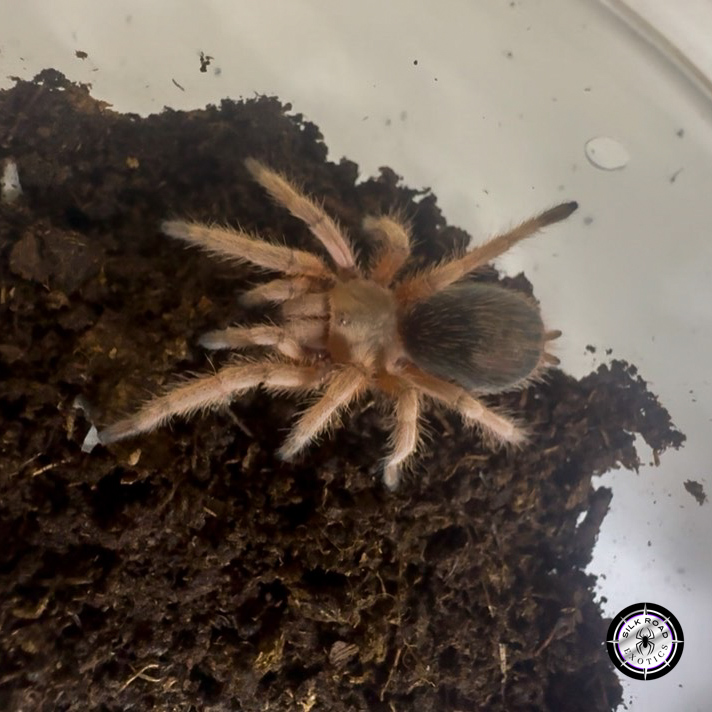
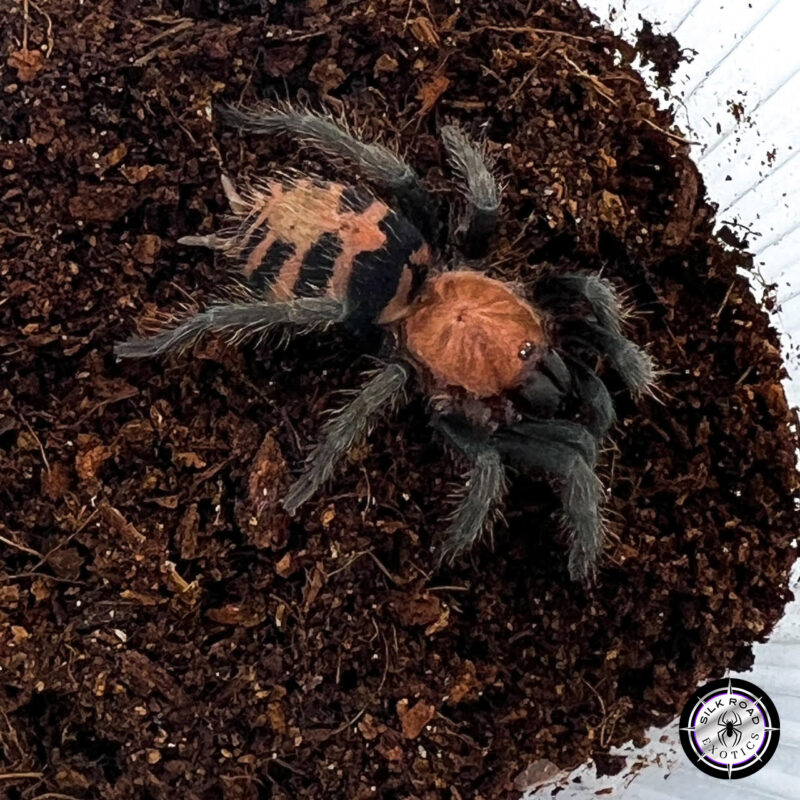
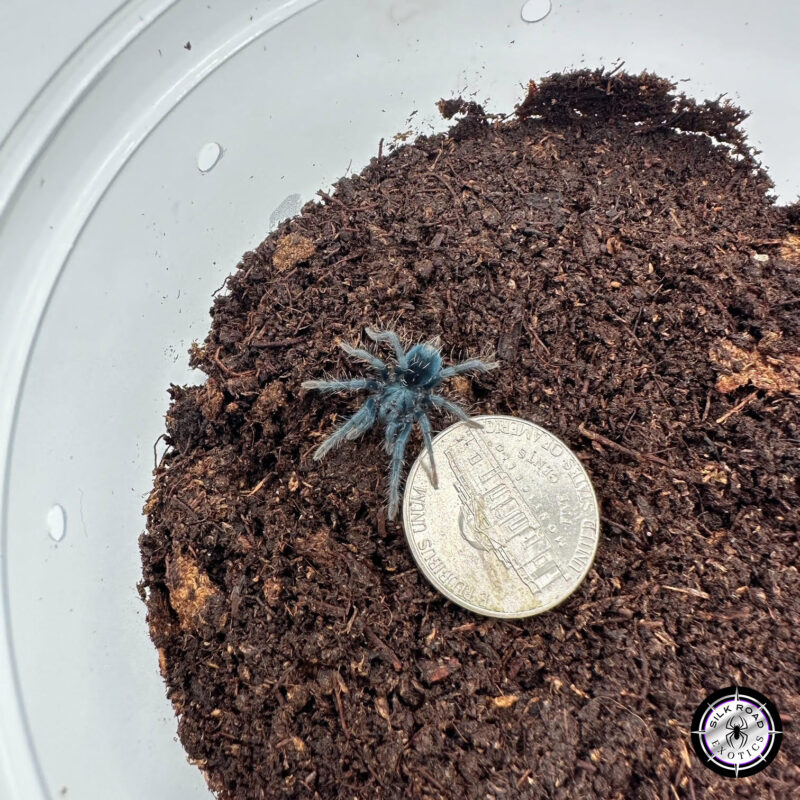
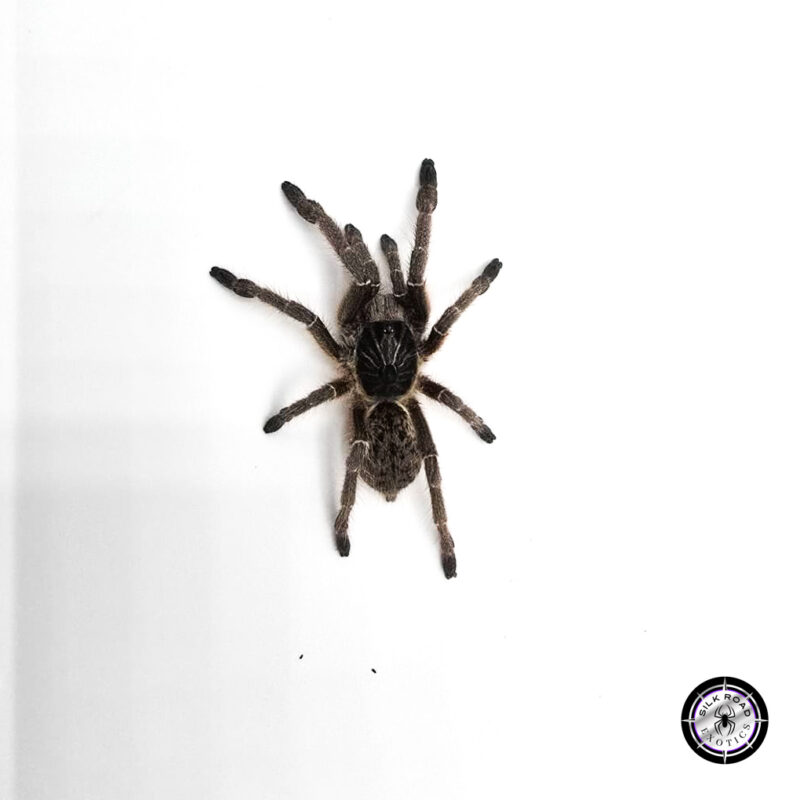
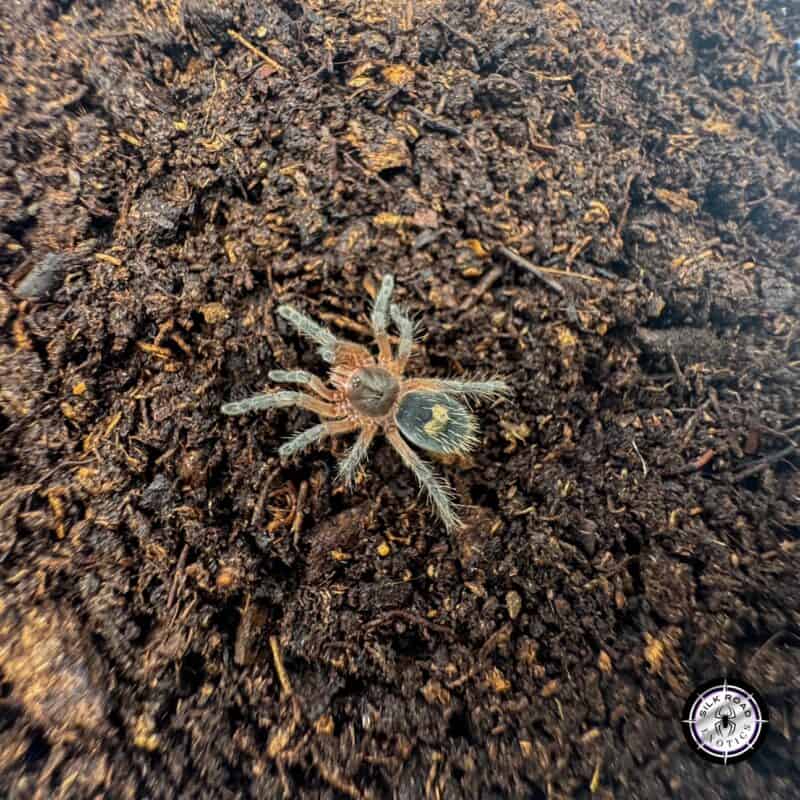
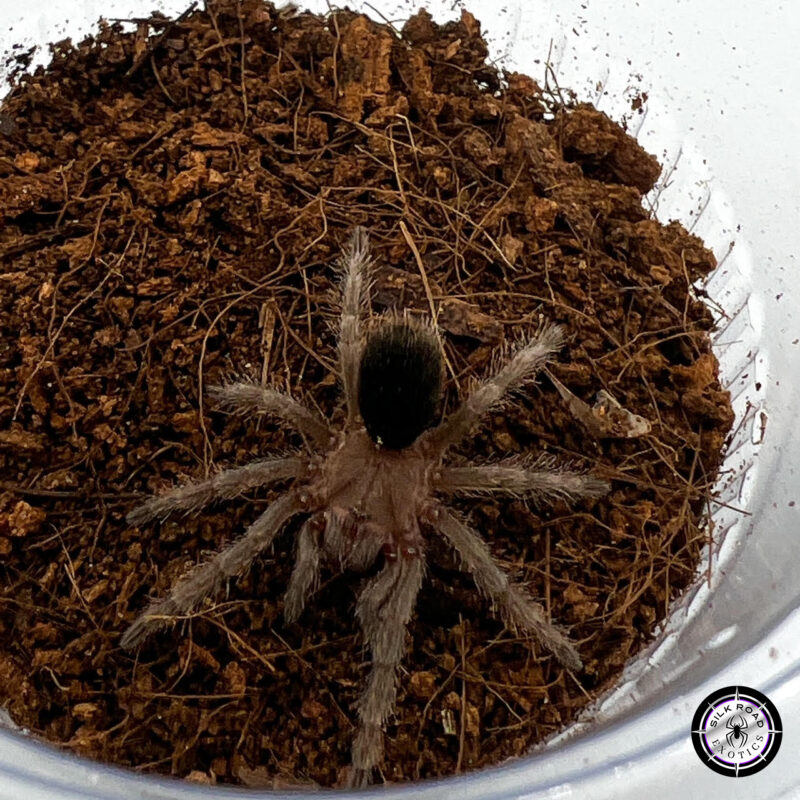
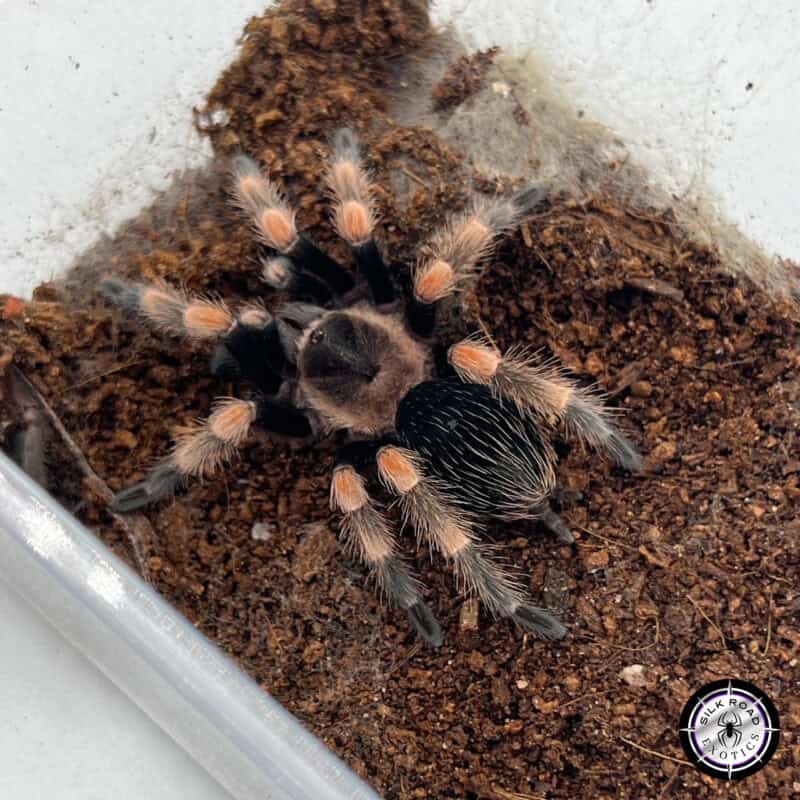
The Red Rose Hair Tarantula (Grammostola rosea) is the undisputed icon of the arachnid hobby—and the “Red Color Form” (RCF) is the most vibrant and sought-after version of the species. While the standard Chilean Rose Hair (G. porteri) offers muted grays and pinks, the true Red Rose Hair boasts a warm, saturated copper-to-fire-red carapace and legs that intensify in color with every molt. At Silk Road Exotics, we consider this the “forever pet” of the tarantula world.
Renowned for their legendary docility and “bulletproof” hardiness, G. rosea has been the gold standard for beginners for decades. With females capable of living over 20 years, this isn’t just a pet—it’s a long-term companion. If you value a species that is calm, visually striking, and incredibly low-maintenance, the Red Rose Hair is an essential addition to your collection.
What makes the Red Rose Hair unique is its stoic personality. They are the ultimate “display” beginners; they rarely hide, they don’t bolt, and they spend most of their time out in the open, allowing you to appreciate their velvet-red setae. Whether you are buying your first spider or adding a classic staple to a massive collection, the RCF Rose Hair never goes out of style.
| Species | Grammostola rosea (RCF) |
| Common Name | Red Rose Hair / Red Chilean Rose Hair |
| Origin | Chile (Atacama Desert regions) |
| Adult Size | 4.5-5.5 inches (11-14 cm) |
| Lifespan | Females: 20+ years, Males: 4-5 years |
| Growth Rate | Very Slow |
| Temperament | Extremely Docile / Calm |
| Care Level | Beginner |
| Type | Terrestrial / Opportunistic Burrower |
| Handling | Generally Tolerated |
Enclosure Setup
Size
Adult Red Rose Hairs are relatively inactive and thrive in a 5 to 10-gallon enclosure. The primary requirement is floor space rather than height. A fall can be dangerous for this heavy-bodied species, so ensure the distance between the substrate and the top of the enclosure is no more than 1.5 times the spider’s leg span.
Substrate
Keep it dry. Use a blend of topsoil and peat moss, provided at a depth of 3-4 inches. Silk Road Tip: Pack the substrate down firmly. Rose Hairs are known for “tiptoeing” or clinging to the glass if the dirt is too loose or fluffy. They prefer a firm, desert-like floor.
Hide and Water Dish
Provide a cork bark hide or a half-log. While they are often found sitting in the open, they need a dark retreat for molting and stress reduction. A shallow water dish must be provided at all times. Even desert species need to hydrate, especially during the long intervals between feedings.
Ventilation
Standard screen tops or side-ventilation holes are perfect. G. rosea is very forgiving with air quality, but they should never be kept in a “stuffy” or high-humidity environment.
Temperature and Humidity
This species is highly adaptable. Standard room temperatures (68-78°F) are ideal. They can handle cooler temperatures better than almost any other tarantula, mimicking the cold nights of the Chilean high deserts. Humidity should be kept low (40-50%).
Never mist a Rose Hair enclosure. High humidity is the leading cause of stress for this species. If the spider is constantly climbing the glass, the substrate is likely too damp.
The Famous “Rose Hair Hunger Strike”
Grammostola rosea is famous for going on extended “hunger strikes.” It is perfectly normal for an adult to refuse food for 3, 6, or even 12 months at a time. As long as the abdomen remains plump and round, the spider is healthy. They have incredibly slow metabolisms and simply stop eating when they have enough reserves. Continue to provide water, and offer a cricket once every two weeks until they decide to eat again.
Feeding
When they are actively eating, adults should be fed 1-2 large crickets or a medium Dubia roach every 2-4 weeks. Overfeeding can lead to a dangerously large abdomen, increasing the risk of injury during a fall. Always remove uneaten prey within 24 hours.
Temperament and Handling
The Red Rose Hair is widely considered the most handleable tarantula in existence. They move at a “glacial” pace and rarely show signs of defensiveness. While they do have urticating hairs, they are mild compared to other New World species. Always handle low to the ground and with extreme care for the animal’s safety.
Is the Red Rose Hair Right for You?
If you want a tarantula that is stunning, docile, and requires almost zero maintenance, the Red Rose Hair (RCF) is the gold standard. It is the perfect choice for a first-time owner or a collector who wants a piece of hobby history. Their beauty is timeless, and their ease of care is unmatched.
Bring Home a Hobby Legend
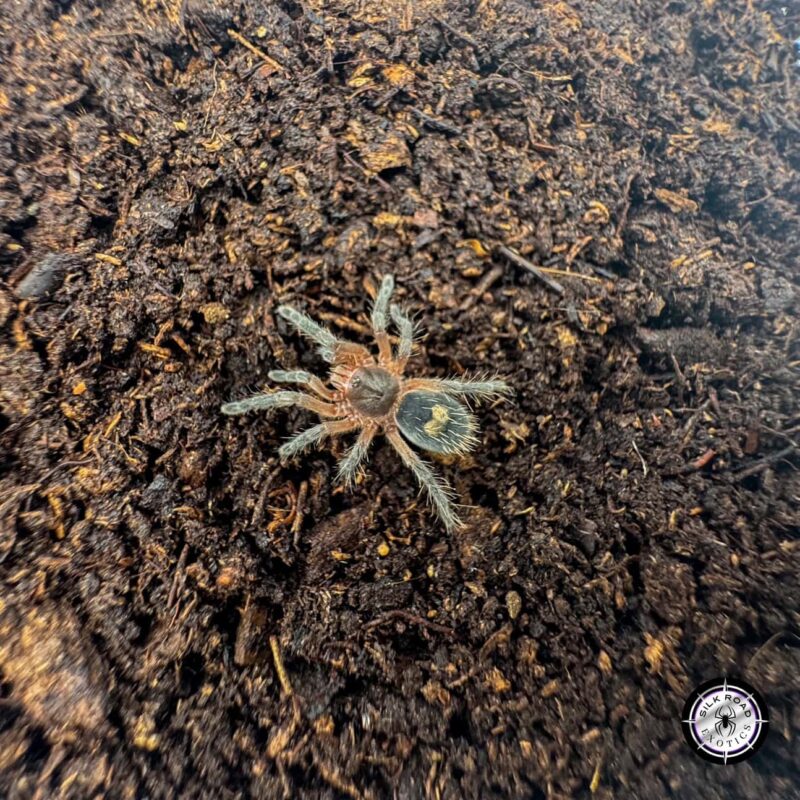
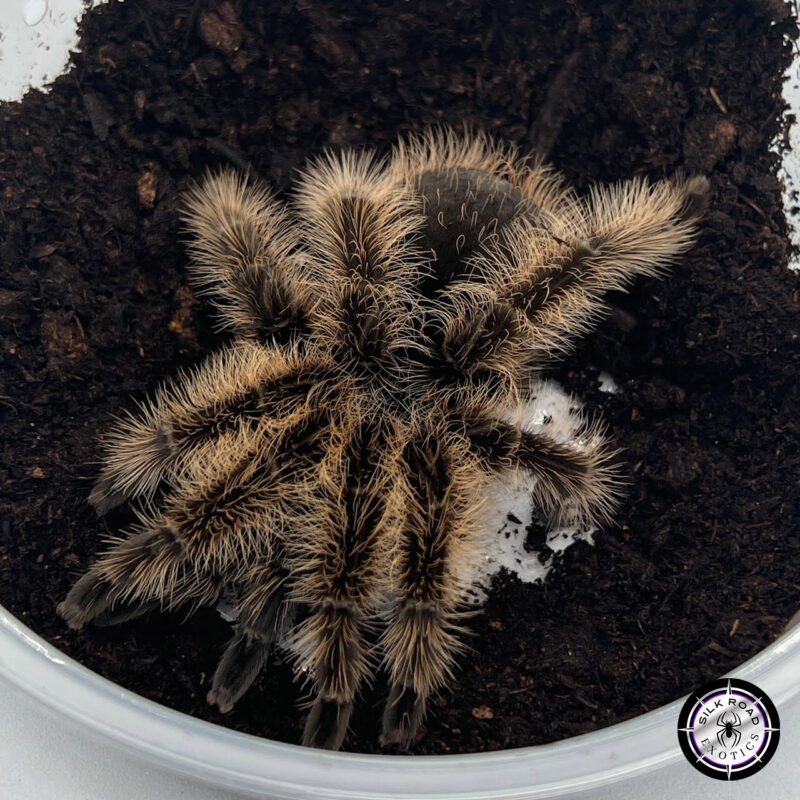
We have vibrant Red Rose Hair (G. rosea) and Chilean Rose Hairs (G.porteri) slings and juveniles available now.