
Golden Blue Leg Baboon – Care: Everything You Need to Know

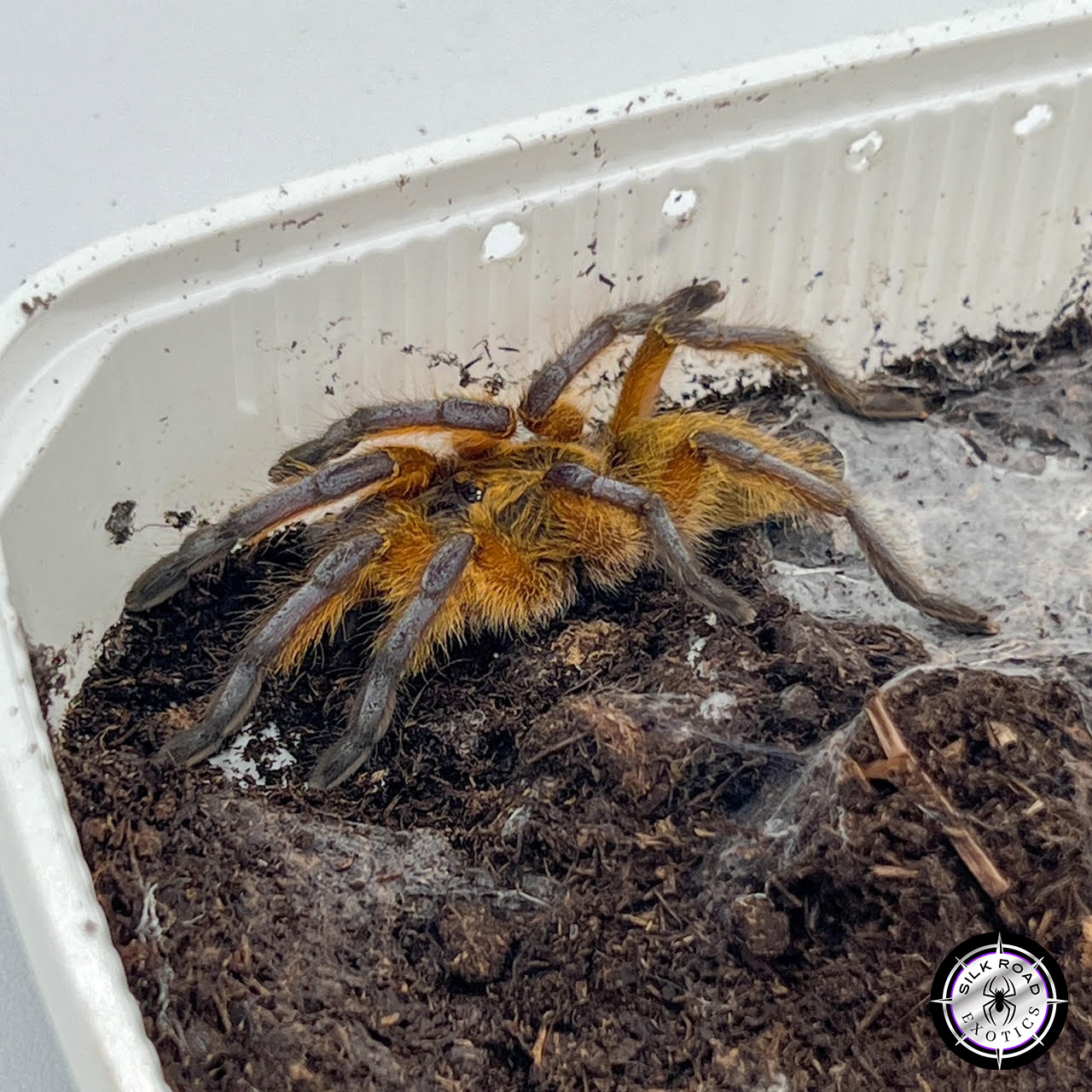
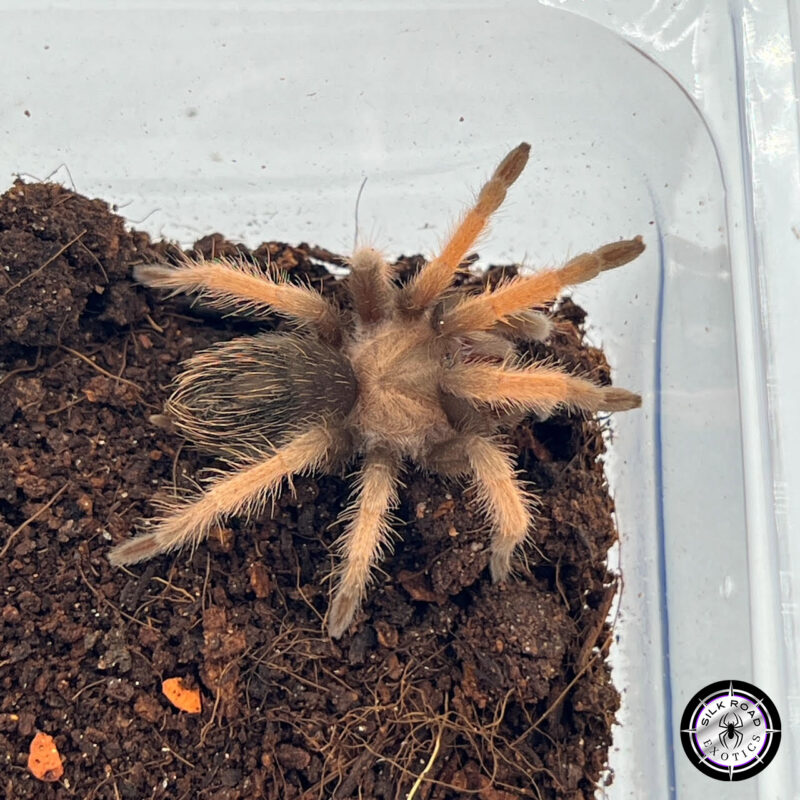
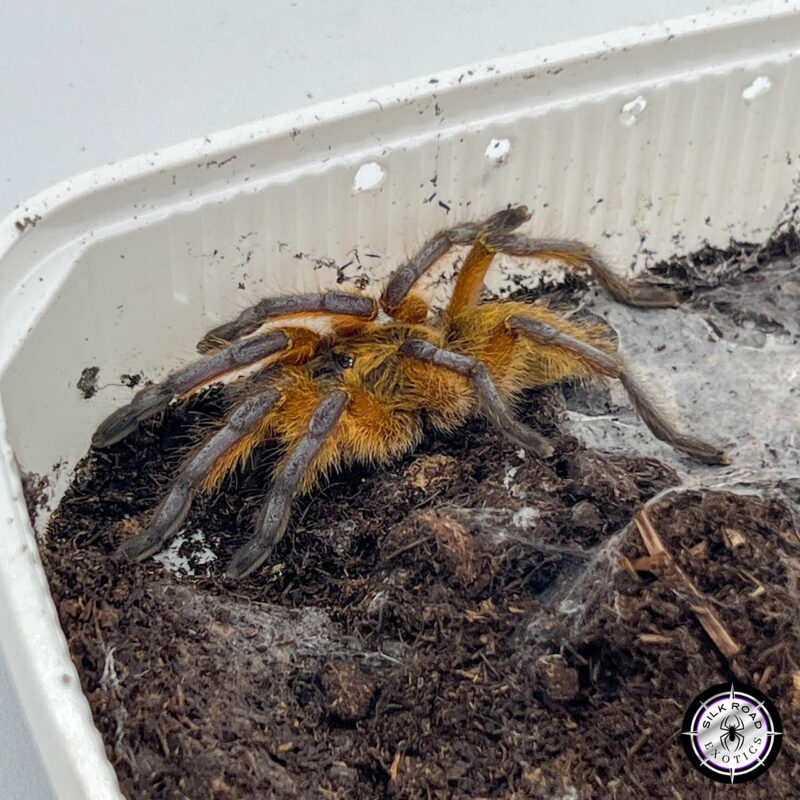
The Golden Blue Leg Baboon (Harpactira pulchripes) is widely considered the “Crown Jewel” of the Old World hobby. Hailing from the arid, scrubland regions of South Africa, this species is a masterclass in nature’s palette—sporting a vibrant, metallic gold carapace contrasted by brilliant, powder-blue legs. For the serious collector, the “H. pulch” is the ultimate showpiece, combining high-end aesthetics with a rugged hardiness that makes them a joy to keep.
What truly sets H. pulchripes apart from other African “Baboon” spiders is its relatively chill temperament. While they possess the lightning-fast reflexes typical of the Harpactira genus, they are notably less “defensive” than the infamous Orange Baboon (OBT). They are more likely to retreat into their silk fortresses than to stand their ground, making them the perfect “bridge” species for keepers looking to enter the world of Old World tarantulas without jumping into the deep end.
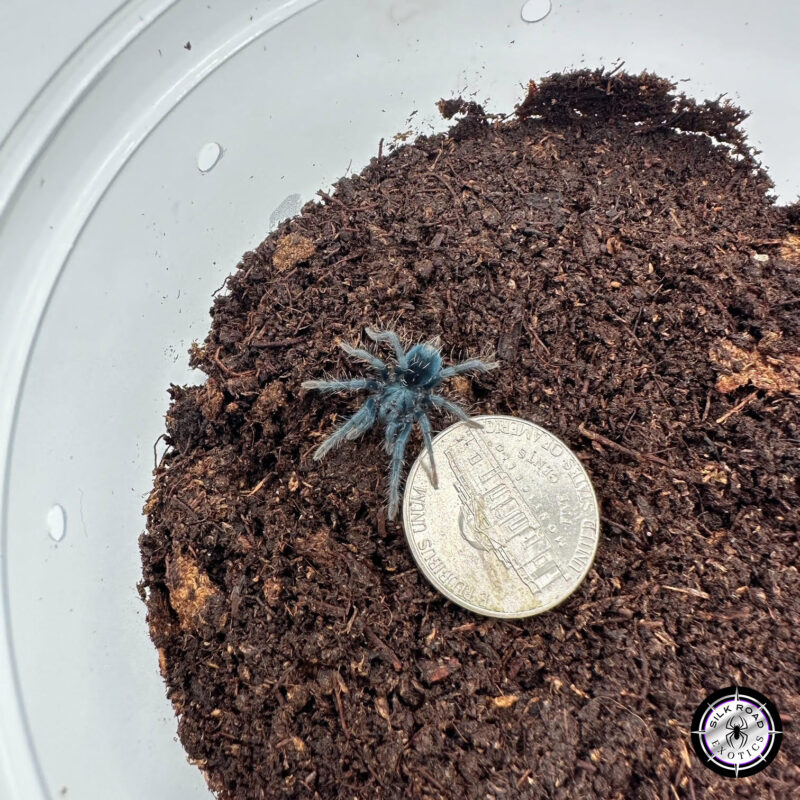
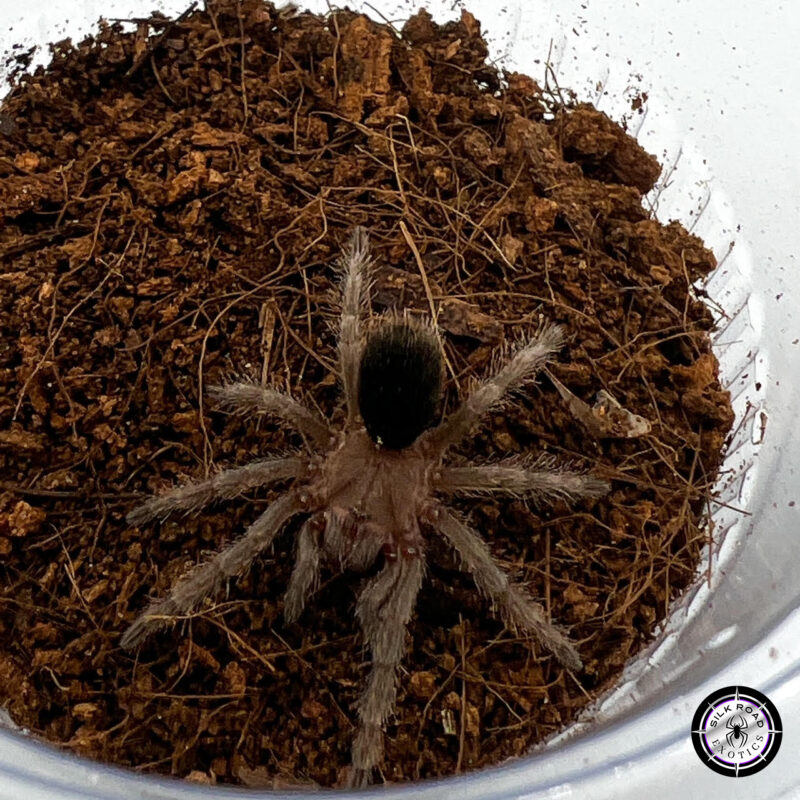
At the 0.75-1 inch juvenile stage, these spiders are already showing their blue-leg potential. They are prolific webbers, often constructing intricate silk tunnels that incorporate their decor, creating a “fortress” that is as fascinating to look at as the spider itself. They are an active, visible species with an explosive feeding response that makes mealtime a thrilling spectacle.
| Species | Harpactira pulchripes |
| Common Name | Golden Blue Leg Baboon |
| Origin | South Africa (Eastern Cape) |
| Adult Size | 4.5-5.5 inches (11-14 cm) |
| Lifespan | Females: 12-15 years, Males: 2-3 years |
| Growth Rate | Medium to Fast |
| Temperament | Skittish, Very Fast, Defensive |
| Care Level | Intermediate |
| Type | Terrestrial / Heavy Webber |
| Handling | STRICTLY NO (Old World Venom) |
Enclosure Setup
Size
For your 0.75-1 inch juvenile, a small acrylic sling enclosure or a 16oz deli cup is ideal. Over-tanking a small juvenile in a 5-gallon tank makes it difficult to monitor feeding and molting. As they reach 3 inches, you can move them into a permanent 5-10 gallon horizontal enclosure. Since they are “teleporters,” always ensure the lid is secure and locking.
Substrate
Keep it dry! This species lives in semi-desert conditions. Provide 3-4 inches of dry substrate (a mix of 70% topsoil and 30% sand/excavator clay is perfect for burrow stability). Unlike many other tarantulas, the Golden Blue Leg does not tolerate damp substrate well. Stagnant, moist air is the primary cause of health issues for this species.
Hide and Webbing
Provide plenty of anchor points—cork bark, dried leaves, and artificial plants. This species is an “architect” and will use these items to build massive, funnel-like web structures. A starting hide is good, but don’t be surprised if they completely cover it in silk within 48 hours. They rarely use deep burrows if they have enough anchor points to web above ground.
Ventilation
Excellent cross-ventilation is mandatory. Airflow is the secret to success with Baboon spiders. Ensure your enclosure has multiple air-flow points to keep the environment fresh and dry.
Temperature and Humidity
They prefer it warm, mimicking the South African sun. Aim for 75-82°F (24-28°C). Humidity should be kept low (40-50%). Do not mist. Instead, provide a small water dish and keep it full. If the spider needs moisture, it will sit over the dish. Silk Road Tip: Keep the substrate bone-dry and only overflow the water dish slightly once every few weeks if you notice the spider hovering over the bowl.
Feeding
Golden Blue Legs are voracious eaters. Juveniles (0.75-1″) should be fed small crickets or roach nymphs every 5-7 days. As they grow into adults, they can handle 2-3 large crickets or a large Dubia roach every 10-14 days. Always remove uneaten prey within 24 hours to avoid stressing the spider during its “down time” or molt cycle.
Temperament and Handling
This is an Old World species. They do not have urticating hairs, so their primary defense is their bite. While H. pulchripes is considered a “laid back” baboon, they are still capable of delivering a medically significant bite. Handling is never recommended. Use long tongs for all maintenance and always have a “catch cup” ready when opening the enclosure.
Ready to Own the Legend?
We have the Golden Blue Leg Baboon (0.75-1 inch) available now with live arrival guaranteed.