
Chilean Emerald Beauty Tarantula Care: Everything You Need to Know

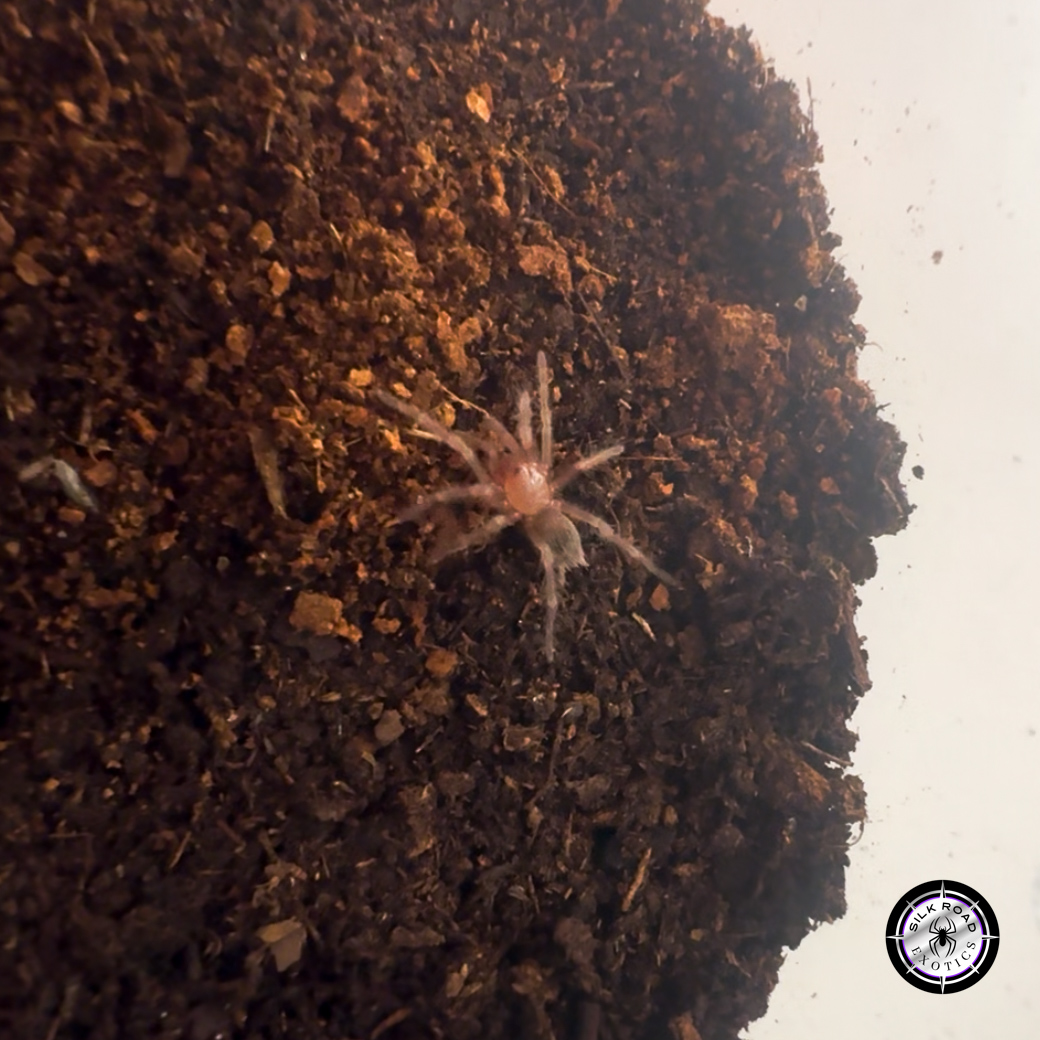
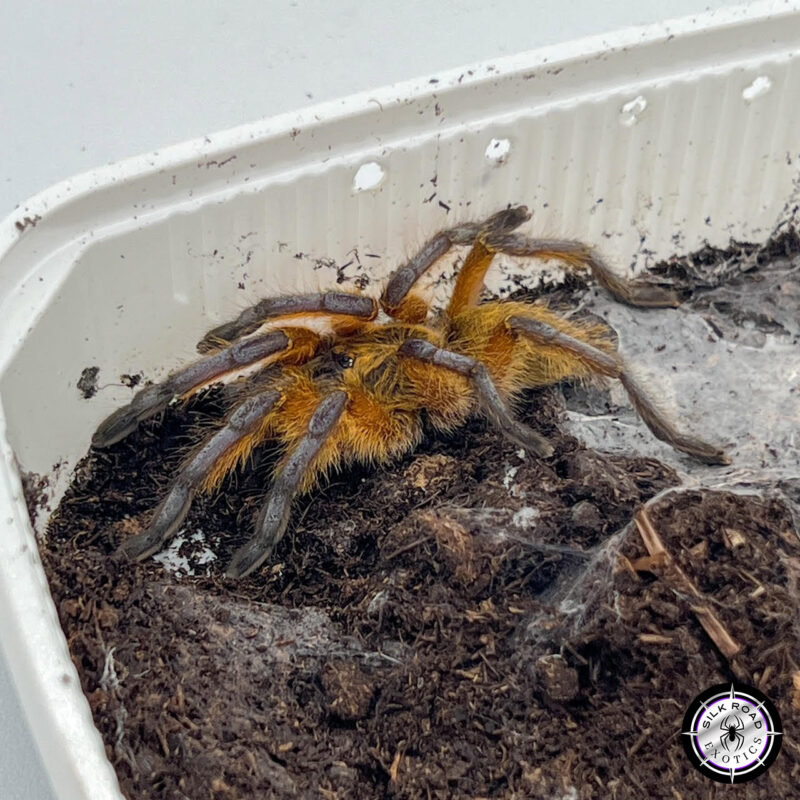
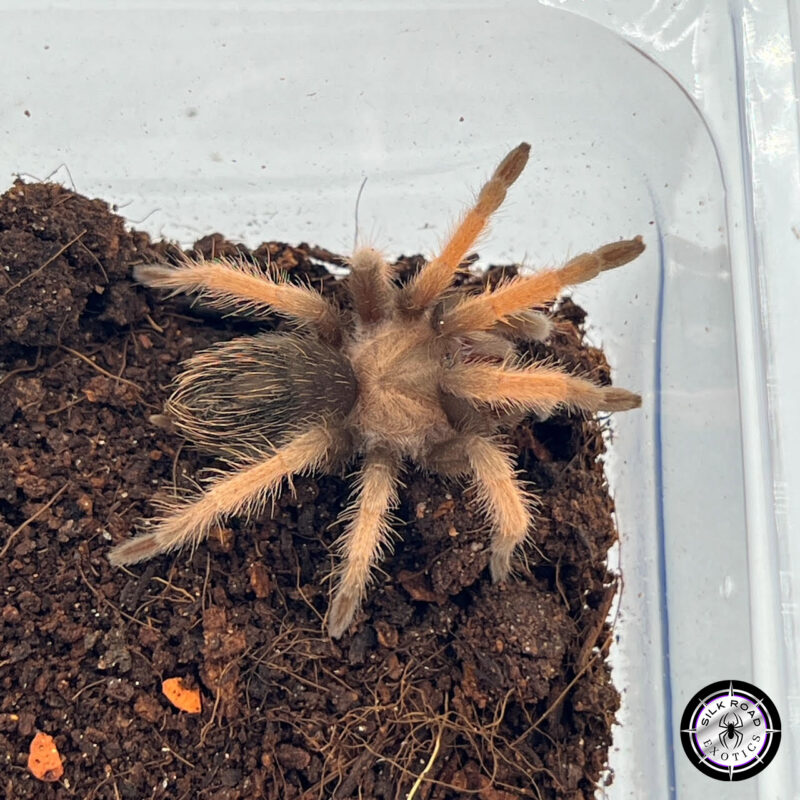
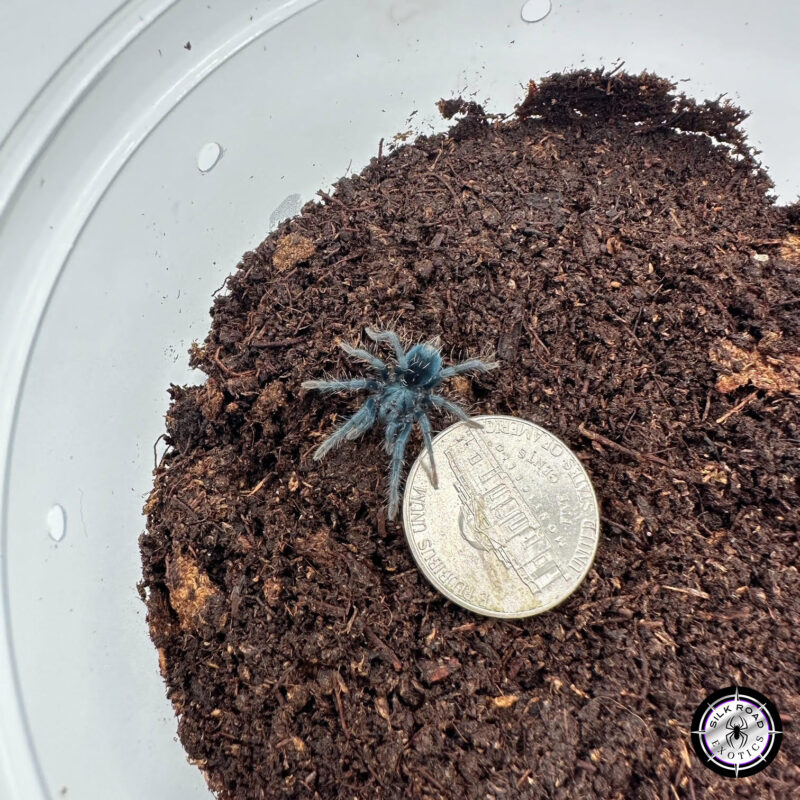
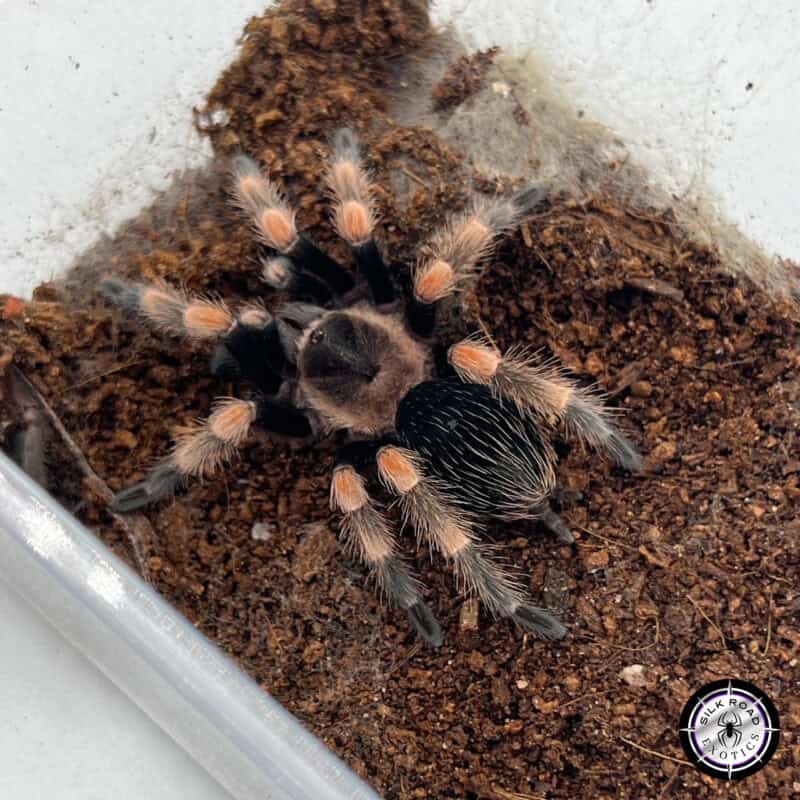
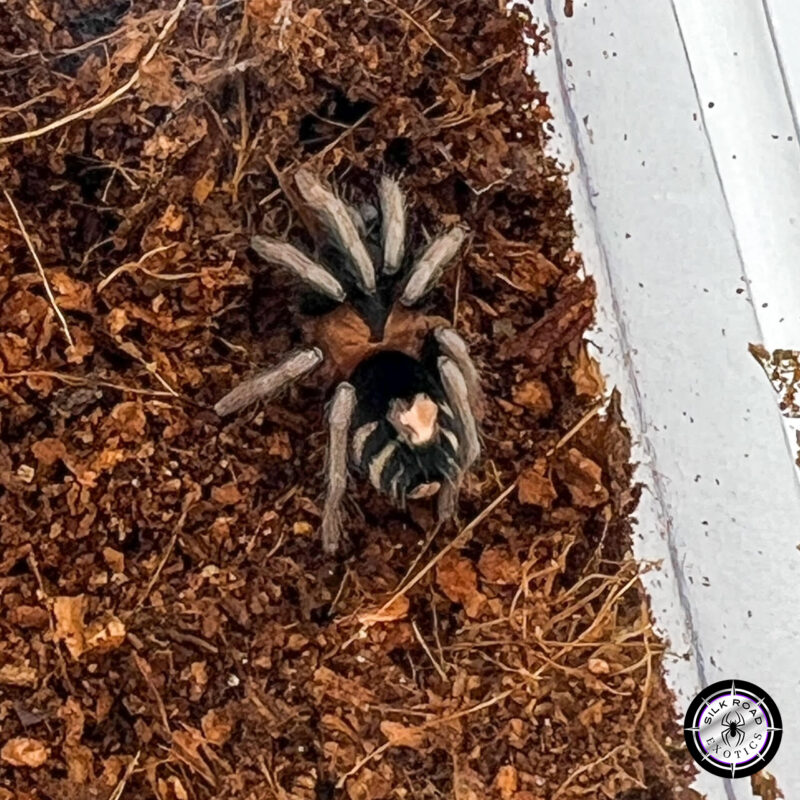
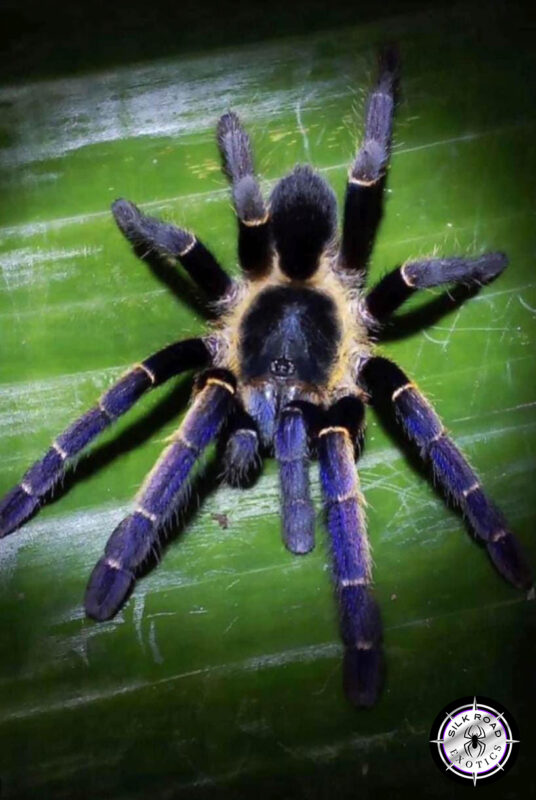
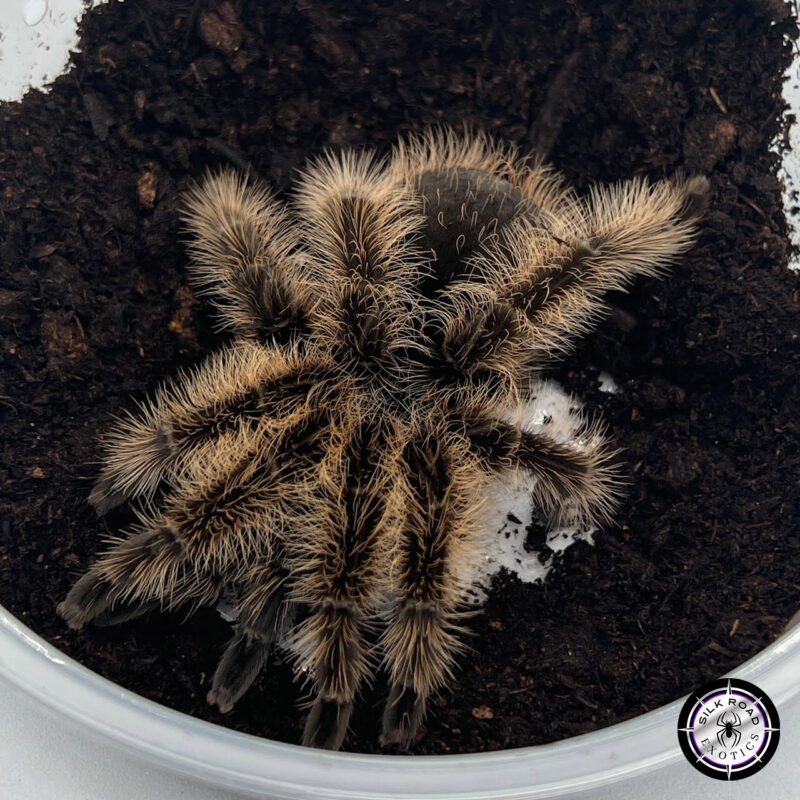
The Chilean Emerald Beauty Tarantula (Euathlus sp. Hermosa) is one of the most charming and docile species available in the hobby today. Often referred to as the “Blue-Powder” or “Beautiful” tarantula, this species is a gem from the high-altitude regions of Chile. Unlike the massive, aggressive giants of the tropics, the Hermosa is loved for its compact size, calm demeanor, and the subtle metallic green and blue hues that shimmer across its carapace and legs.
Hailing from the scrublands and Andean foothills of Chile, this species is incredibly hardy and long-lived. They are the definition of a “pet rock”—content to sit in the open and be observed, rarely showing signs of defensiveness. For a beginner or an intermediate keeper looking for a species that is easy to manage and fascinating to watch, the Euathlus sp. Hermosa is an elite choice. Their slow growth rate is a testament to their long lifespan, with females potentially living for decades.
At Silk Road Exotics, we appreciate this species for its gentle nature. They are active explorers during the day and are known for their curiosity rather than fear. While many tarantulas bolt for their burrows at the slightest vibration, a Hermosa will often stay put, allowing you to appreciate the intricate velvet textures of their setae. Their manageable size makes them perfect for enthusiasts with limited space who still want a world-class display animal.
| Species | Euathlus sp. Hermosa |
| Common Name | Chilean Emerald Beauty / Hermosa |
| Origin | Chile (Andean Regions) |
| Adult Size | 3-4 inches (8-10 cm) |
| Lifespan | Females: 20+ years, Males: 5-7 years |
| Growth Rate | Slow |
| Temperament | Extremely Docile / Calm |
| Care Level | Beginner |
| Type | Terrestrial |
| Handling | Safe / Calm |
Enclosure Setup
Size
Because they are a smaller terrestrial species, a 2.5 to 5-gallon enclosure is more than sufficient for an adult. Prioritize floor space over height; as with all terrestrials, a fall from a significant height can be fatal. Ensure there is plenty of room for them to wander, as they are surprisingly active for their size.
Substrate
Provide 3-4 inches of a dry substrate mix, such as coco-fiber blended with a bit of topsoil. Euathlus sp. Hermosa comes from a temperate, arid climate and does not do well in swampy conditions. Keep the substrate dry, but offer a small overflow in one corner once every few weeks to provide a slight gradient if they seek it.
Hide and Decor
A small piece of cork bark or a half-log is perfect for a hide. They also appreciate flat stones or artificial plants to explore. This species is known to “redecorate” slightly by moving small bits of substrate around, so give them plenty of anchor points for their light webbing.
Temperature and Humidity
They are quite comfortable at standard room temperatures, ideally between 72°F and 78°F (22-25°C). They can handle slight dips at night, mimicking the cool Andean air. Humidity should be kept low, around 40-50%. High humidity and poor ventilation are the biggest risks for this species.
Silk Road Tip: These spiders are highly sensitive to stagnant air. Ensure your enclosure has excellent cross-ventilation. A dry enclosure with a full water dish is the best way to ensure a long, healthy life for your Hermosa.
Feeding
The Emerald Beauty has a moderate appetite. Adult females should be fed 2-3 medium crickets or a small roach every 10-14 days. Because of their slow growth, they may go on “hunger strikes” before a molt—this is perfectly normal. Always remove any uneaten prey within 24 hours.
Temperament and Handling
This is arguably the most handleable tarantula in existence. They rarely flick hairs and almost never show a threat posture. They move with a deliberate, slow pace that makes them very easy to manage during cage cleanings or brief handling sessions. They are truly the “gentle souls” of the arachnid world.
Looking for a Docile Display Gem?
The Chilean Emerald Beauty (Euathlus sp. Hermosa) is available now. Perfect for first-time keepers.