
Dominican Emerald Care Guide: Everything You Need to Know About Phormictopus sp. “Full Green”

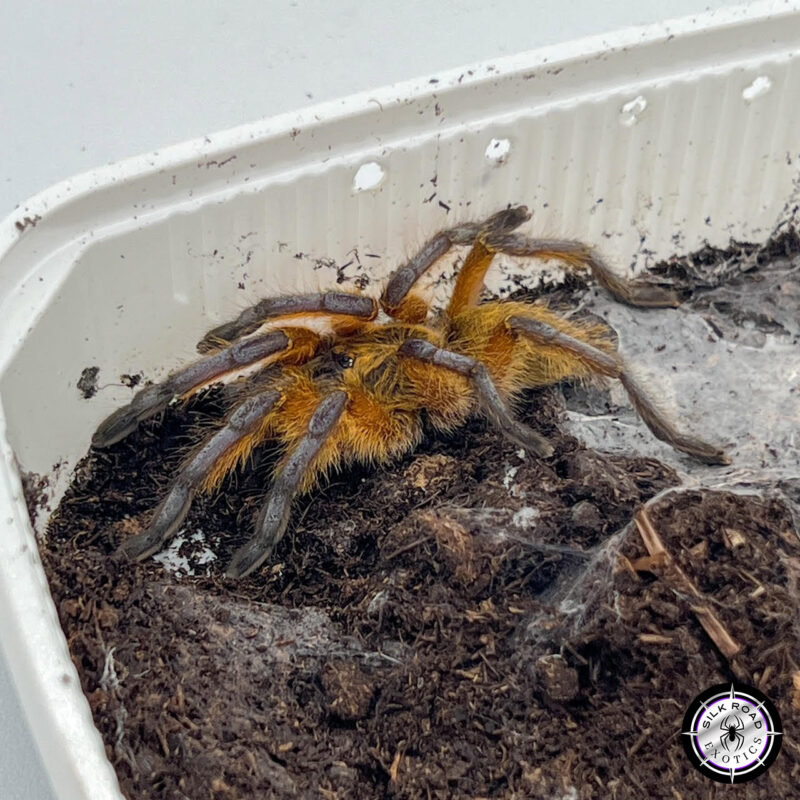
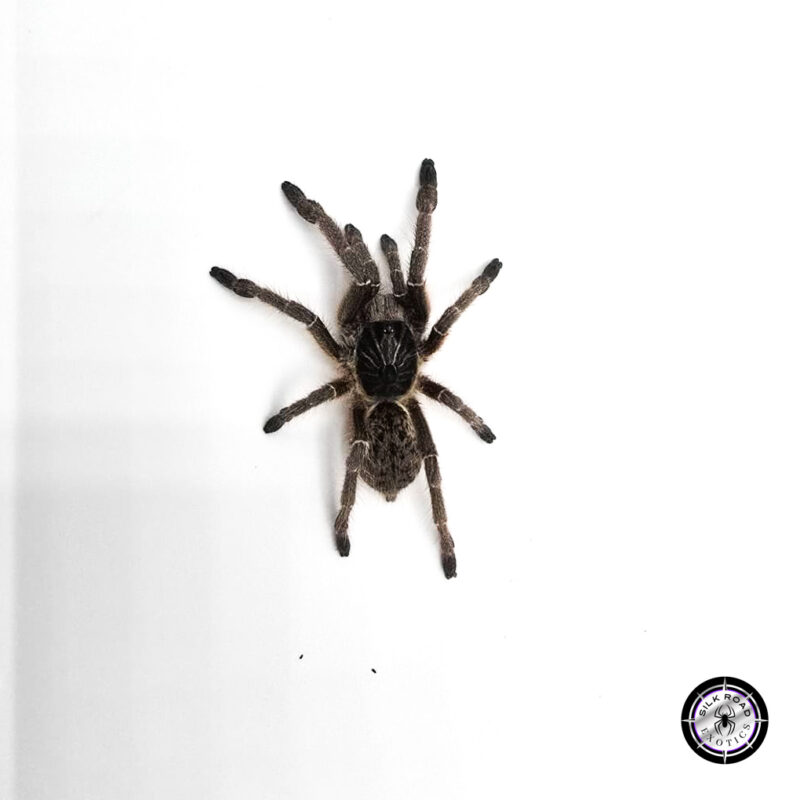
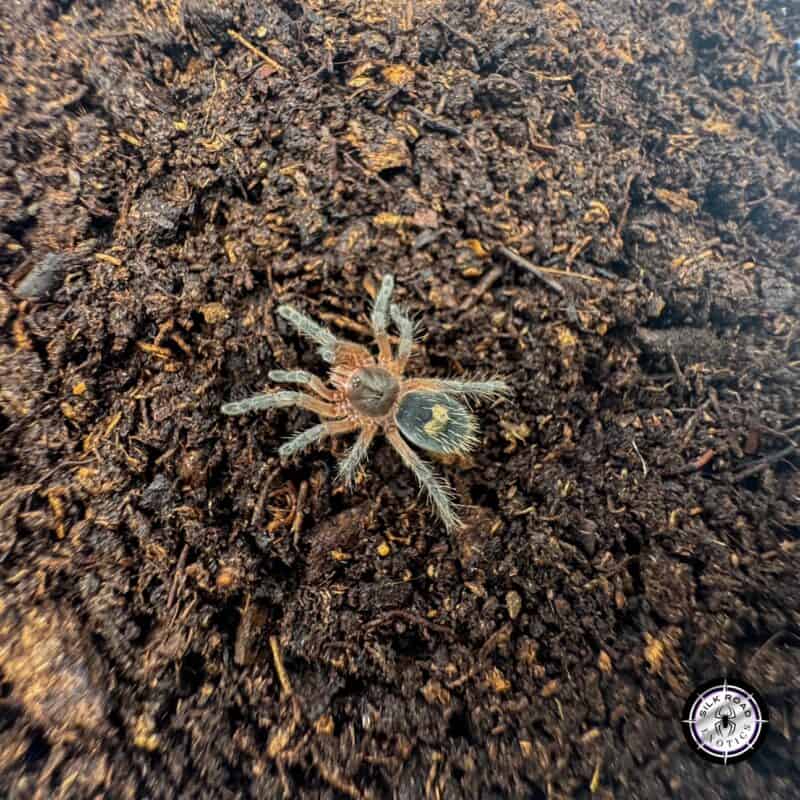
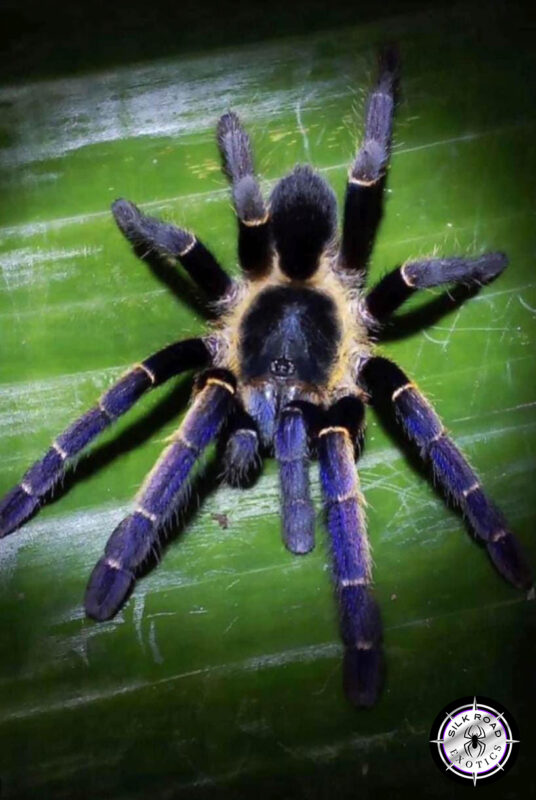
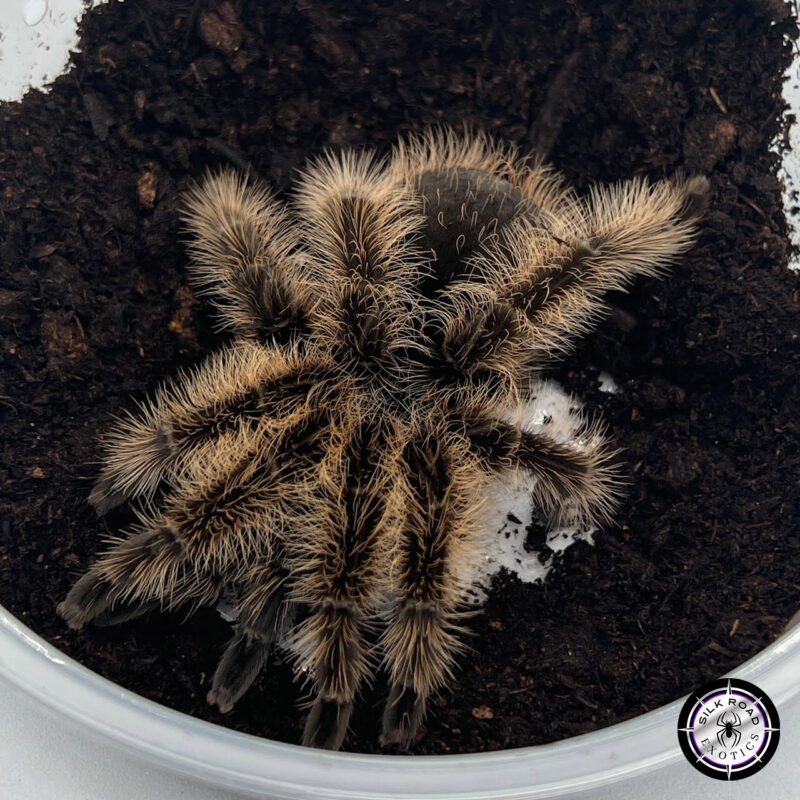
The Dominican Emerald Tarantula (Phormictopus sp. “Full Green”) is a crown jewel of the Caribbean and a true heavyweight showpiece for any serious collector. Often confused with smaller green species, the “Full Green” is a thick-bodied powerhouse famous for its brilliant metallic teal-to-emerald carapace that shimmers intensely after a fresh molt. Unlike the more common brown or purple members of the genus, the Dominican Emerald maintains its stunning neon-green sheen well into adulthood.
Hailing from the tropical scrublands of Hispaniola (Dominican Republic and Haiti), this species is built for speed and power. They exhibit a bold, “undone” personality that bridges the gap between the terrestrial giants of South America and the lightning-fast defensiveness of Old World species. For the keeper who wants a tarantula that is always visible and always ready for a meal, the Dominican Emerald is an unmatched choice. Their explosive feeding response and impressive growth rate make them incredibly rewarding to raise from slings to giants.
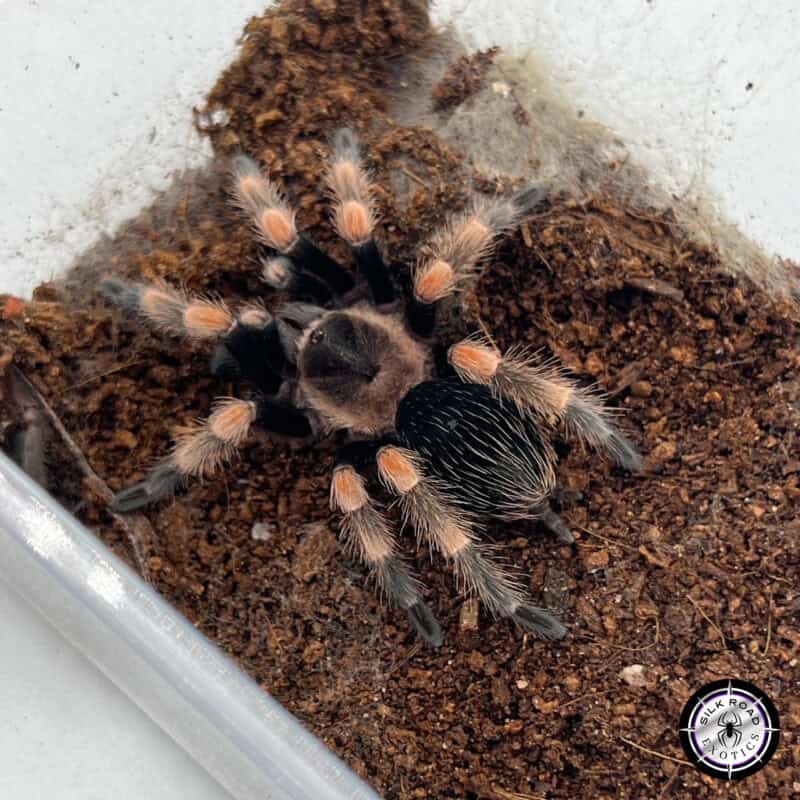
What sets the Silk Road specimens apart is their undeniable presence. The Dominican Emerald is not a “pet rock.” They are active engineers, constantly rearranging their substrate and standing their ground with a confidence that commands respect. Observing their methodical hunting and the sheer strength they display during takedowns is a masterclass in arachnid behavior. When that metallic green sheen catches the light against their dark, velvet-like legs, it’s easy to see why they are considered a premium addition to the collection.
| Species | Phormictopus sp. “Full Green” |
| Common Name | Dominican Emerald Tarantula |
| Origin | Dominican Republic / Haiti |
| Adult Size | 7-8 inches (18-20 cm) |
| Lifespan | Females: 15-20 years, Males: 3-4 years |
| Growth Rate | Fast |
| Temperament | Bold, Defensive, and Fast |
| Care Level | Intermediate |
| Type | Terrestrial / Heavy Excavator |
| Handling | Not Recommended |
Enclosure Setup
Size
Dominican Emeralds are large, active tarantulas that require significant floor space. Adults should be housed in a minimum of a 10-15 gallon “long” style enclosure. Because of their speed and defensive nature, an enclosure with front-opening doors is highly recommended to allow for safe maintenance without startling the animal from above. Juveniles are fast and should be housed in secure, well-ventilated enclosures that provide ample room for growth.
Substrate
A substrate depth of 4-6 inches is vital. While they are terrestrial, they are heavy excavators. Use a mix of topsoil and peat moss, packed firmly to support burrows. This genus appreciates a moisture gradient—keep the bottom layers of substrate damp while allowing the top layer to remain mostly dry. This prevents fungal issues while providing the humidity they need.
Hide and Water Dish
A large, sturdy cork bark hide is a must. They will often web the entrance and “bulldoze” substrate around it to create a fortress. A wide, shallow water dish should always be available. Phormictopus are known to drink frequently. Ensure the dish is heavy enough that they cannot flip it during their frequent “redecoration” projects.
Ventilation
Cross-ventilation is essential. Stagnant, humid air is a killer for Caribbean tarantulas. Ensure air can flow through the enclosure at substrate level. If using a glass tank, a mesh lid paired with side-ventilation holes is the ideal setup for maintaining the balance between humidity and fresh air.
Temperature and Humidity
Coming from the Caribbean, they prefer warmer temperatures. Aim for 75-82°F (24-28°C). They can tolerate slight drops at night, but they will become sluggish if kept consistently below 70°F. Humidity should be kept around 70-75%.
Silk Road Tip: The best way to maintain humidity is to overflow the water dish slightly into the substrate once a week. This allows the spider to choose its own comfort level by burrowing into the damp layers when needed.
Feeding
The feeding response of a Dominican Emerald is legendary. They will often “charge” the tongs the moment they feel vibrations. Adults can take large Dubia roaches, Madagascar Hissing cockroaches, or several large crickets every 10-14 days. Always use 10-12 inch tongs when feeding to keep your hands clear of their explosive takedown.
Temperament and Handling
This is a “display” species, not a handling species. The Dominican Emerald is fast, prone to throwing threat poses, and will not hesitate to slap or bite if they feel cornered. They possess urticating hairs that are particularly irritating. We recommend enjoying their beauty from the other side of the glass, where their natural confidence and stunning colors are most on display.
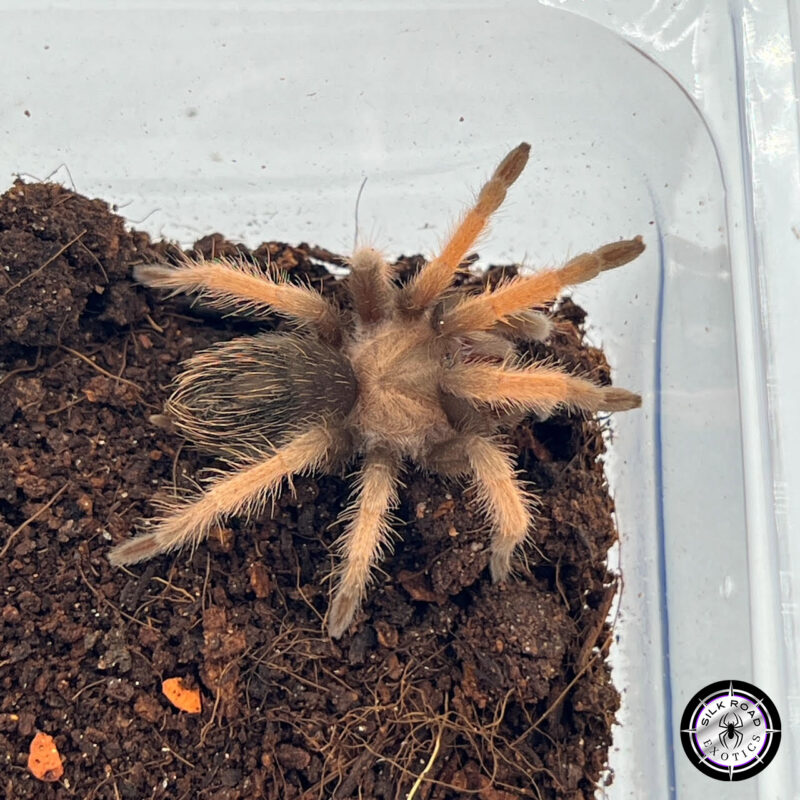
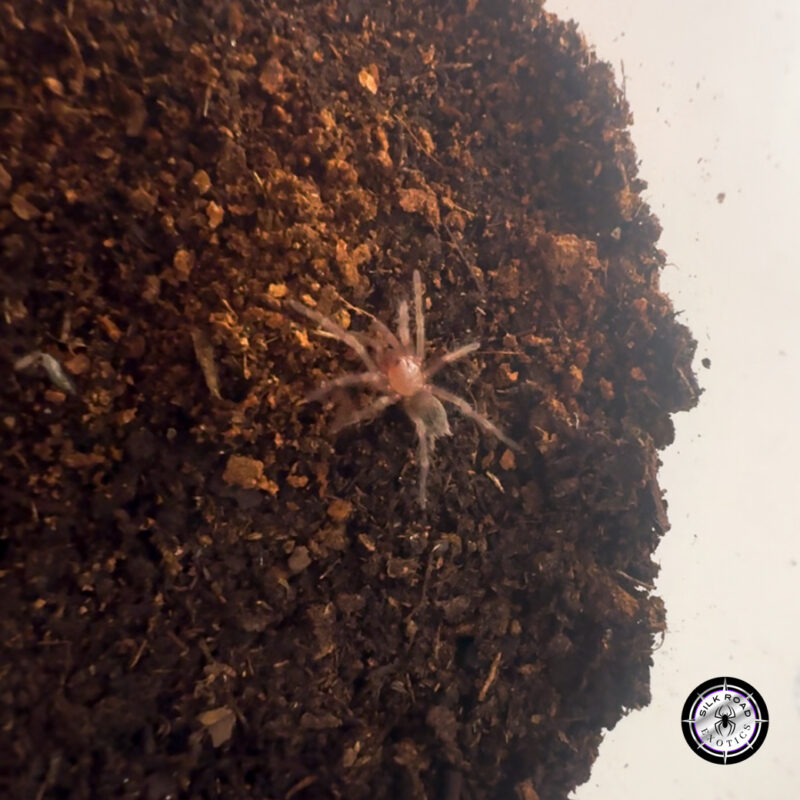
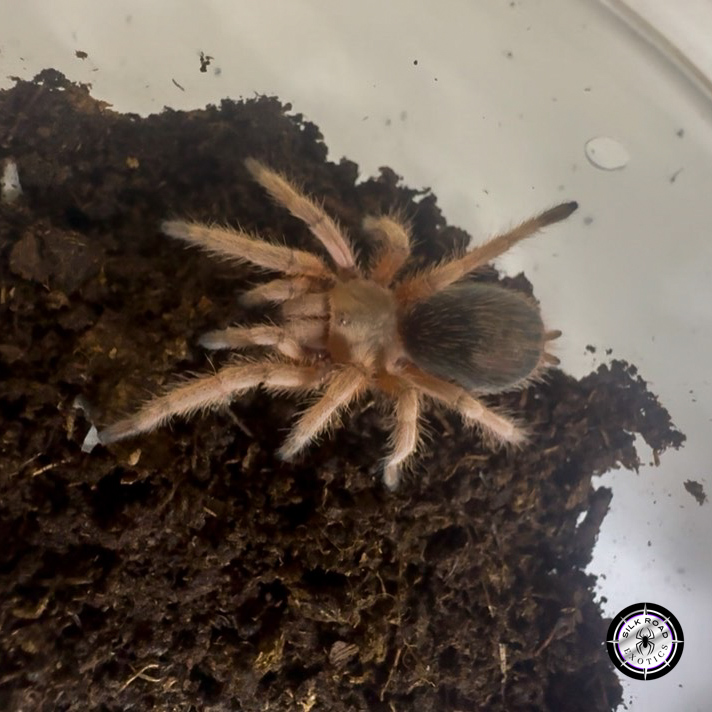
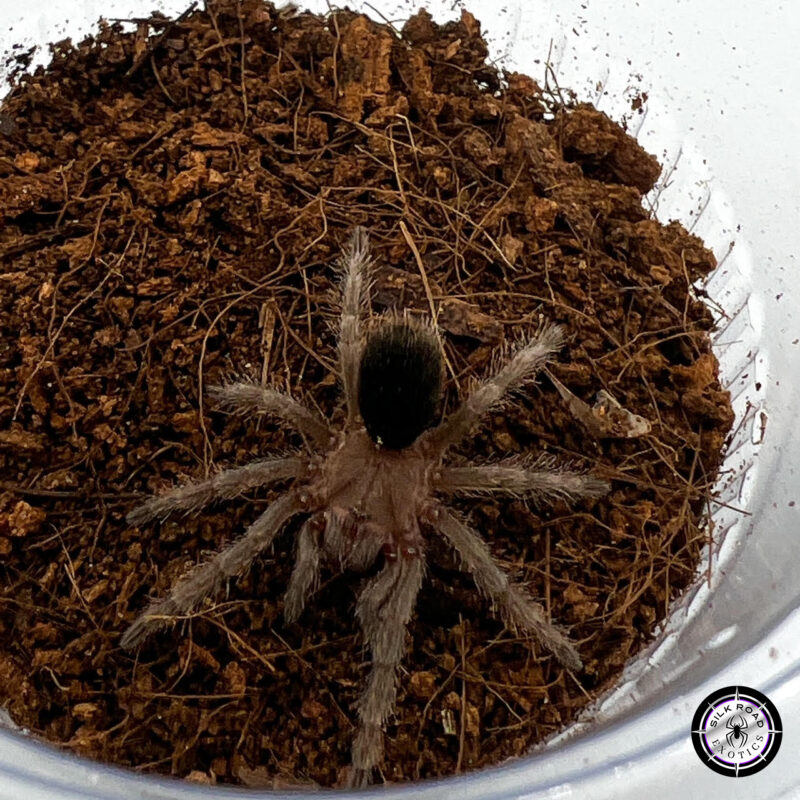
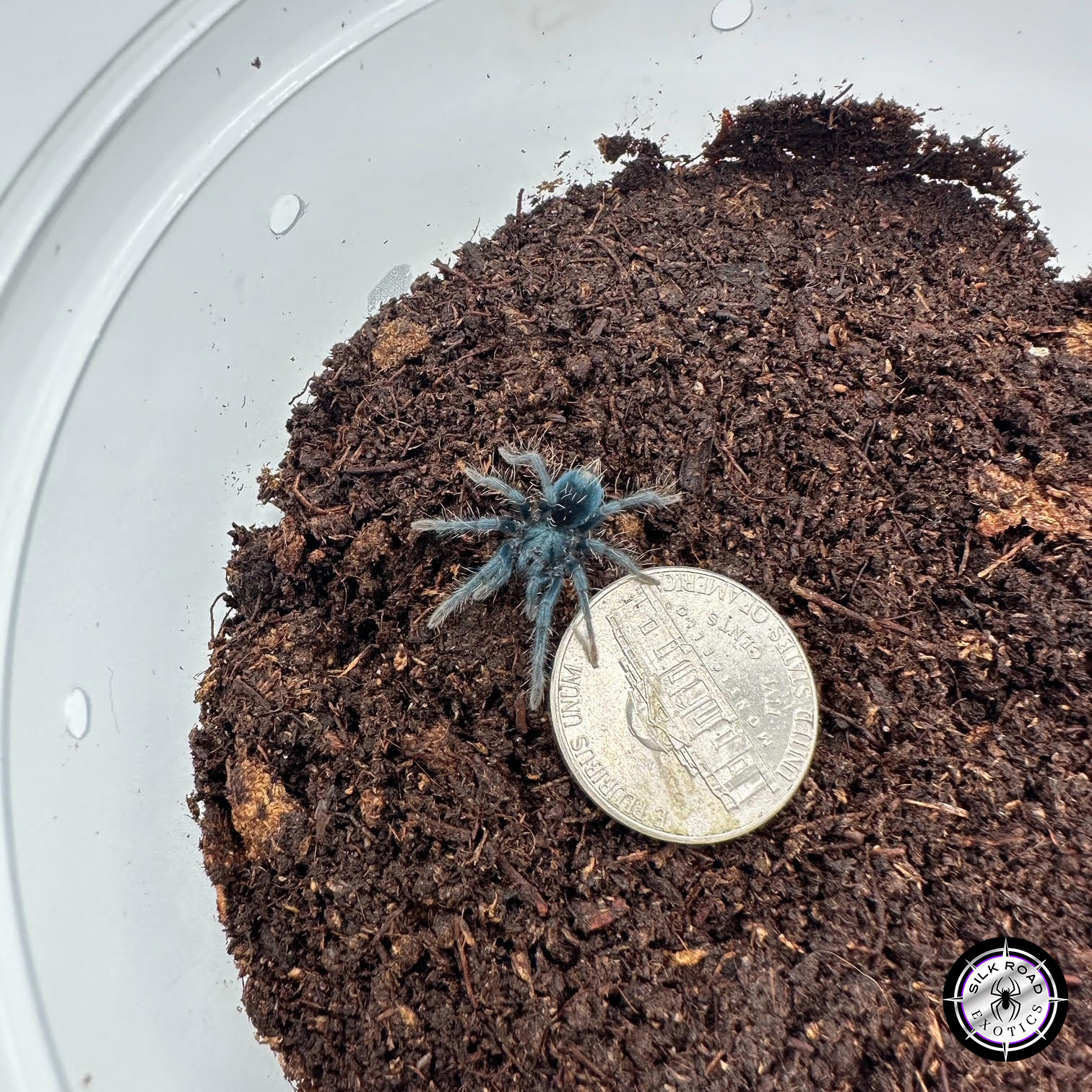
Note for 1-Inch Specimens: At this size, the spider will appear more metallic blue or teal. The deep emerald green carapace develops and intensifies as the spider matures past the 3-4 inch mark.
Is the Dominican Emerald Right for You?
The Dominican Emerald is the perfect “step-up” species for the keeper who has mastered basic care and wants something bigger, bolder, and more colorful. If you have the space for a 7-8 inch titan and the respect for a fast, defensive predator, this is one of the most rewarding animals you can own. It combines the legendary size of the “Bird Eaters” with a metallic green beauty that is rare in the tarantula world.
Ready to Add a Caribbean Titan to Your Collection?
We have 1-inch Dominican Emeralds available now with live arrival guaranteed.