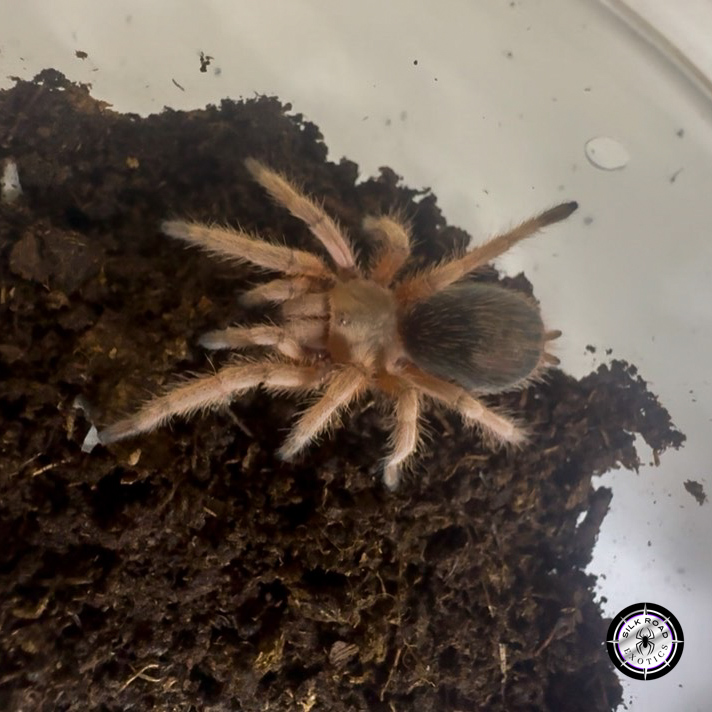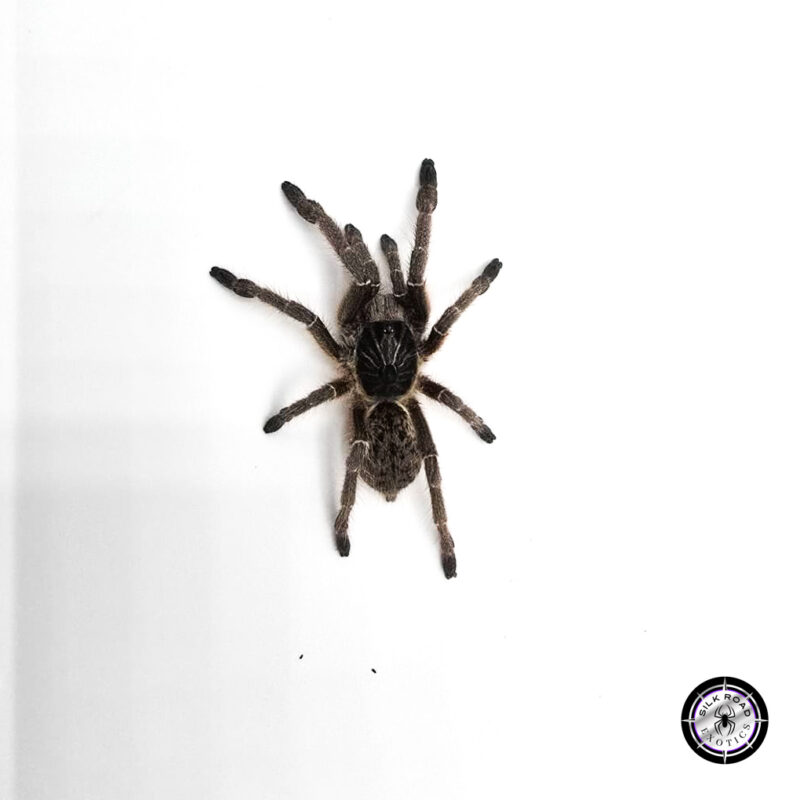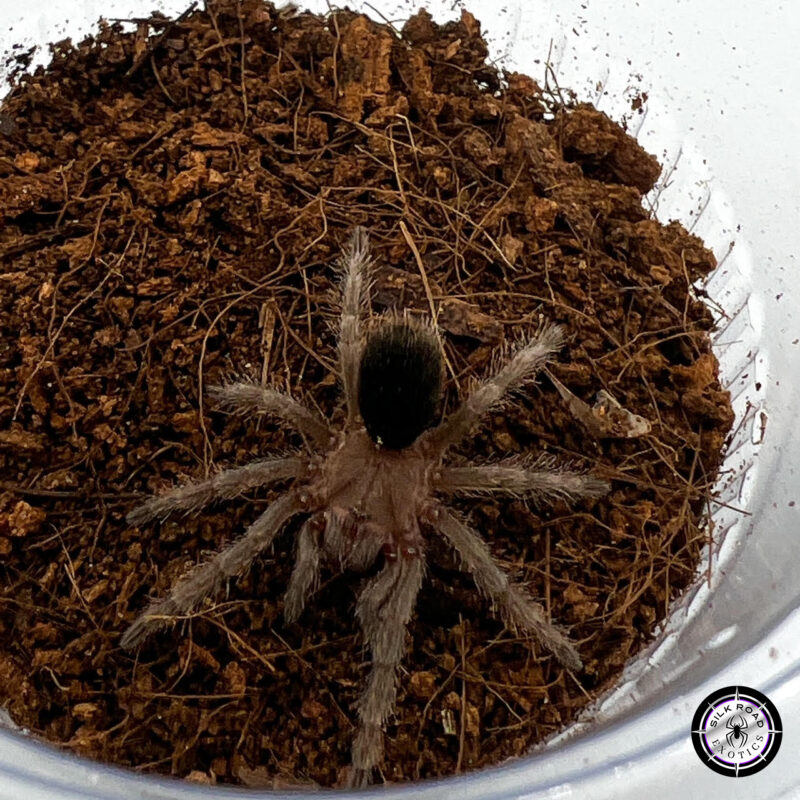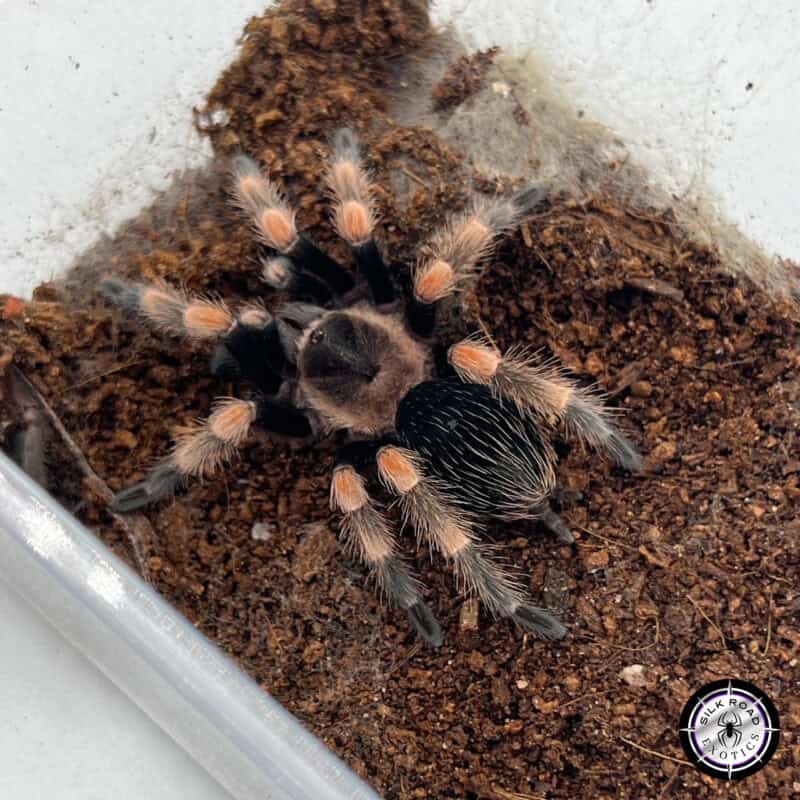

New World vs Old World Tarantulas: Complete Comparison Guide

In the tarantula hobby, there is no bigger distinction than the divide between New World and Old World species. This classification isn’t just about geography; it dictates the temperament, venom potency, and the level of experience required to keep the animal safely. At Silk Road Exotics, we want to ensure you choose the spider that matches your skill level.
What Does New World vs. Old World Mean?
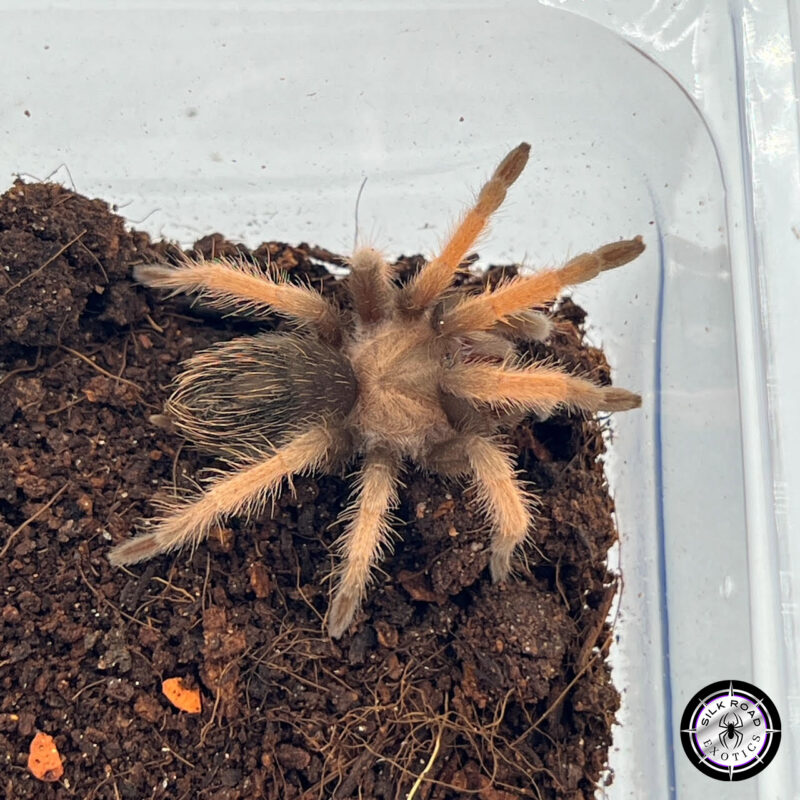
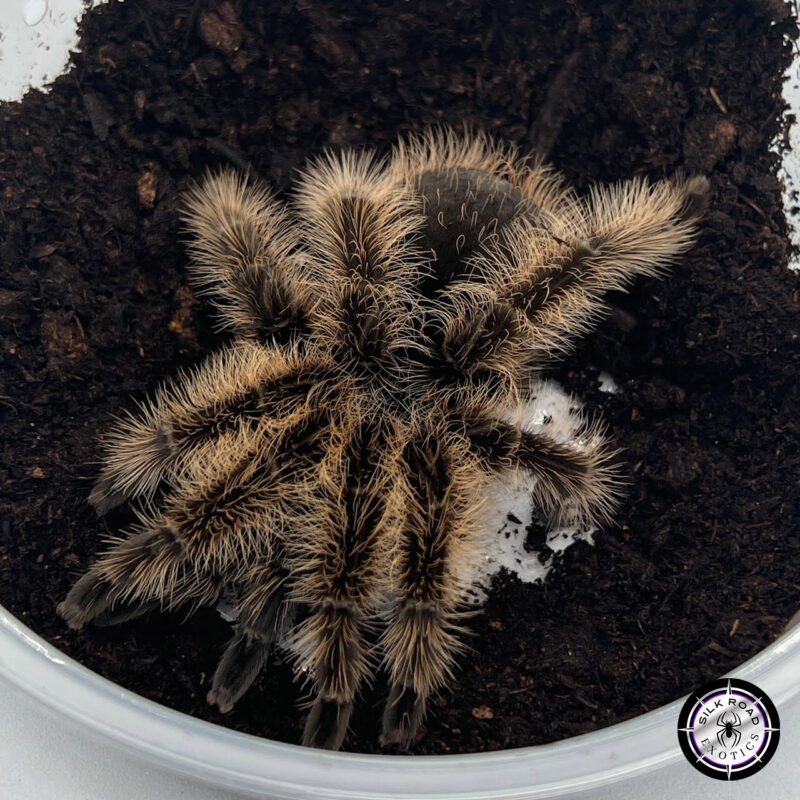
New World tarantulas originate from the Americas (North, Central, and South America). Evolution gave them a unique “passive” defense: urticating hairs.
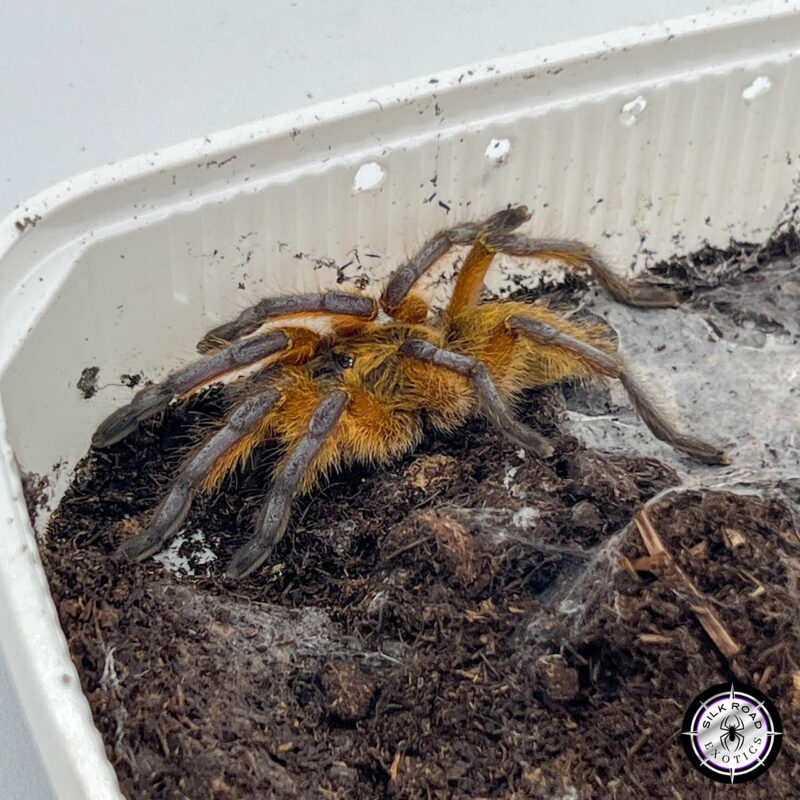
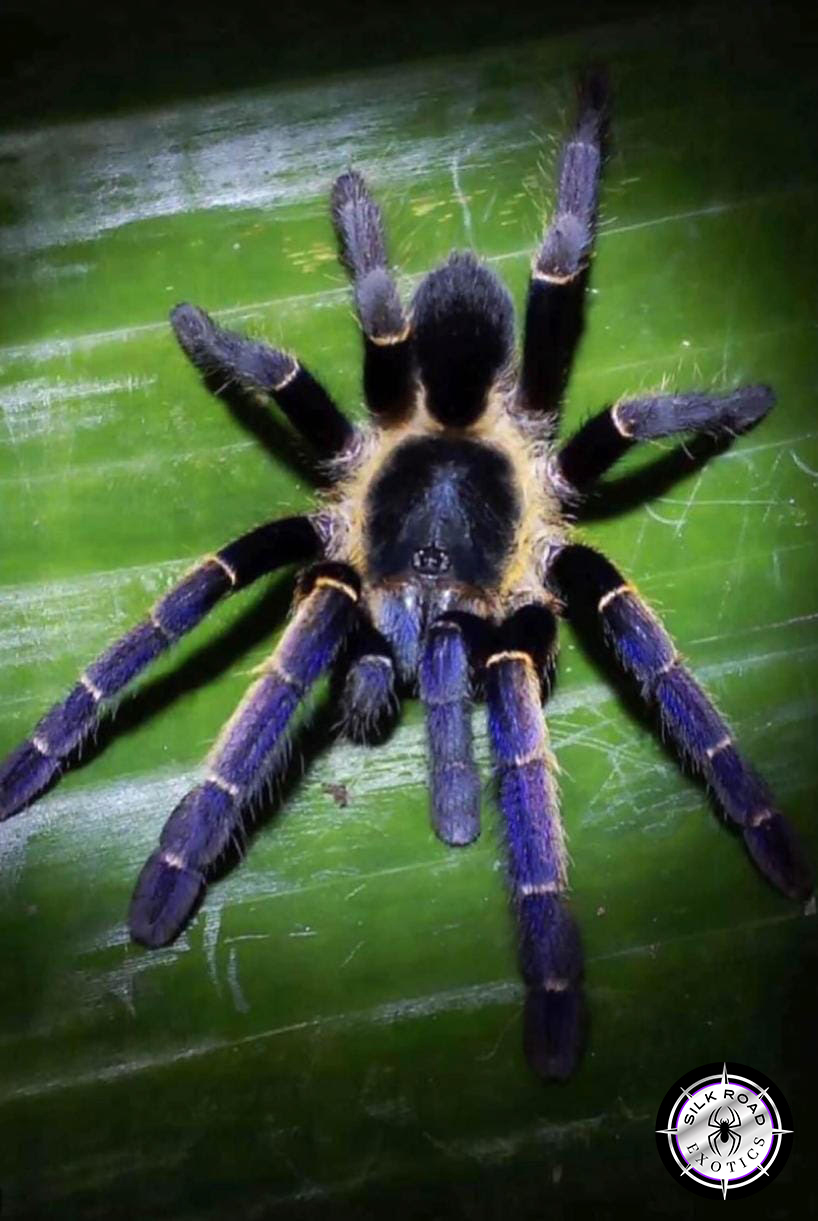
Old World tarantulas come from Africa, Asia, and Europe. Lacking irritating hairs, they evolved to rely on speed, posturing, and potent venom.
| Characteristic | New World | Old World |
|---|---|---|
| Primary Defense | Urticating (Itching) Hairs | Speed and Bite |
| Movement | Slow to Moderate | Lightning Fast / “Teleporting” |
| Temperament | Docile to Skittish | Defensive & Reactive |
| Venom Potency | Mild (Bee Sting) | Medically Significant |
| Experience Level | Beginner to Intermediate | Advanced Only |
New World: The Beginner’s Choice
New World species are the “staples” of the hobby. Because they have urticating hairs (barbed bristles they kick from their abdomen), they rarely feel the need to bite. For a beginner, this “safety buffer” is invaluable.
Popular New World Genera:
- Grammostola: (Rose Hairs, Uruguayan Blacks) – The calmest of