
The Truth About Tarantulas: 10 Common Myths Finally Debunked

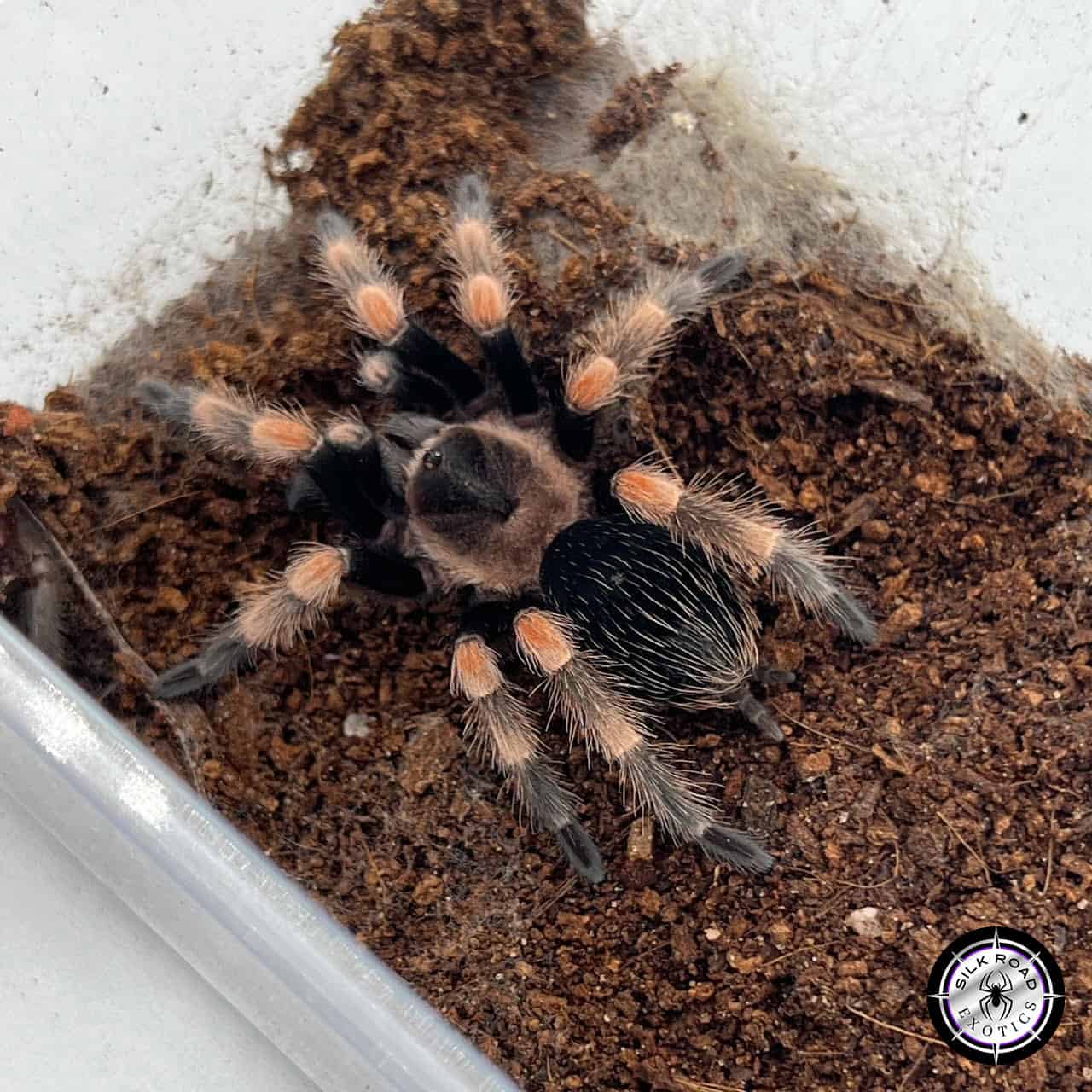
Tarantulas are perhaps the most misunderstood creatures in the animal kingdom. Decades of Hollywood horror movies and “urban legends” have painted them as aggressive, deadly monsters. At Silk Road Exotics, we believe education is the key to conservation. Let’s strip away the fiction and look at the actual science behind these fascinating arachnids.
Myth #1: “Tarantula Venom is Deadly to Humans”
THE TRUTH: There is zero documented medical evidence of a human death caused directly by a tarantula bite. While all tarantulas are venomous (it’s how they eat), their venom is chemically designed to subduing small invertebrates, not large mammals.
- New World Species: Usually comparable to a bee or wasp sting.
- Old World Species: More potent; can cause intense localized pain, swelling, and muscle cramping, but is not considered life-threatening to a healthy adult.
The Real Risk: Like bee stings, the only true danger is a rare individual allergic reaction (anaphylaxis) or secondary infection from an untreated bite wound.
Myth #2: “Tarantulas are Aggressive and Will Attack”
THE TRUTH: Tarantulas are defensive, never aggressive. A tarantula will never “hunt” a human. In the wild, a tarantula’s first instinct is always to flee or hide. They only stand their ground (the famous “threat pose”) when they feel cornered and believe their life is in danger. At Silk Road, we like to say: Respect their space, and they will respect yours.
Myth #3: “Tarantulas Cannot Jump”
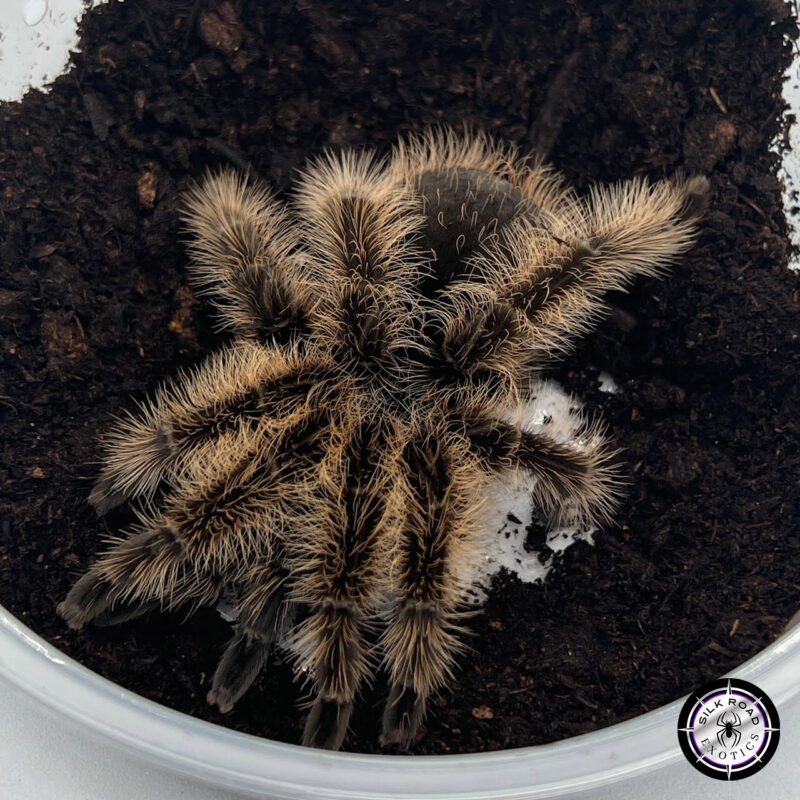
THE TRUTH: This is a dangerous myth for keepers! While heavy-bodied terrestrials (like the Rose Hair) generally stay grounded, many arboreal (tree-dwelling) species are incredibly athletic. Species like Psalmopoeus and Avicularia are more than capable of “leaping” several inches to catch prey or escape a perceived threat. Always keep a catch-cup ready!
Myth #4: “They Need Heat Lamps and UV Lighting”
THE TRUTH: Heat lamps are the #1 killer of pet tarantulas. Because they are so small, a heat lamp can quickly “cook” a spider or cause fatal dehydration. If you are comfortable in a t-shirt, your tarantula is comfortable. Most species thrive at standard room temperatures (70-78°F). If you must add heat, use a space heater to warm the entire room, never a focused light or “hot rock.”
Myth #5: “Handling Makes Them ‘Tame'”
THE TRUTH: Tarantulas lack the brain structure for “bonding” or affection. They do not recognize their owners, and they do not enjoy being held. Handling is a one-way street: it provides entertainment for the human but causes significant stress for the spider. While some species are docile enough to tolerate it, we recommend keeping handling to a minimum to ensure the longest, healthiest life for your pet.
Myth #6: “Tarantulas Must Eat Every Day”
THE TRUTH: Tarantulas have incredibly slow metabolisms. An adult tarantula fed a large meal can easily go weeks or even months without eating again. In fact, many species (like the Grammostola genus) are famous for “hunger strikes” that can last over half a year. As long as their abdomen is plump and water is available, they are perfectly fine.
Myth #7: “The Female Always Eats the Male After Mating”
THE TRUTH: This is a “sometimes,” not an “always.” In the wild, males are often fast enough to escape. In captivity, a well-fed female is much less likely to cannibalize her mate. Many breeders successfully pair spiders multiple times without a single casualty. However, once a male reaches maturity, his internal clock is ticking—his only goal is to find a mate before his natural lifespan ends.
Myth #8: “They Are Solitary and Will Kill Each Other”
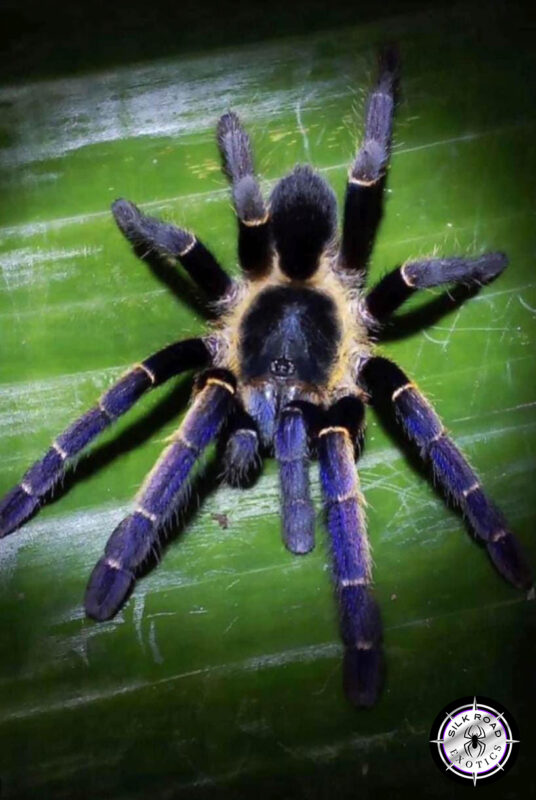
THE TRUTH: Mostly true, but with fascinating exceptions. While 95% of tarantulas are strictly solitary, a few species are communal. The most famous example is Monocentropus balfouri (Socotran Blue Baboon), which can be kept in groups where they actually share food and burrows. However, communal setups should only be attempted by experienced keepers with the right species.
Myth #9: “They Breathe Like We Do”
THE TRUTH: Tarantulas don’t have lungs that pump air. They have book lungs—four small slits on the underside of their abdomen. This is why you should never “mist” a tarantula directly or submerge them in water; they don’t breathe through their mouths, and they can easily suffocate if their book lungs become clogged with water.
Myth #10: “Wild-Caught Spiders are ‘Hardier'”
THE TRUTH: Captive-bred is always superior. Wild-caught specimens often carry parasites, are of unknown age, and the stress of being plucked from the wild can lead to sudden death. Furthermore, wild-catching puts immense pressure on natural populations. At Silk Road Exotics, we prioritize captive-bred animals to ensure you get a healthy, long-lived pet while protecting the hobby’s future.
Ready to start your journey?
Now that you know the truth, you’re ready to see these animals for what they really are: beautiful, low-maintenance masterpieces of evolution. Browse our