Mexican Red Leg Tarantula Care: Everything You Need to Know

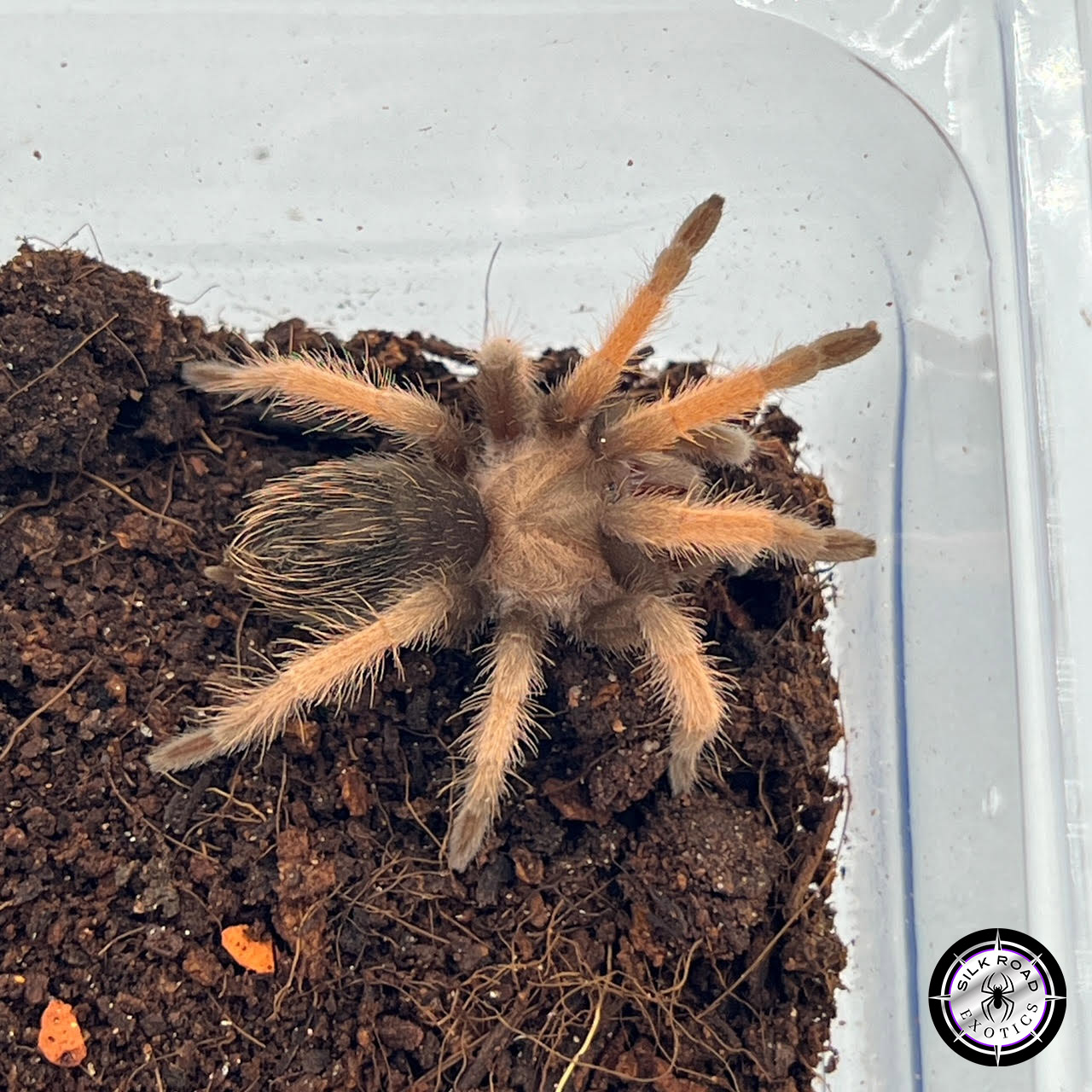
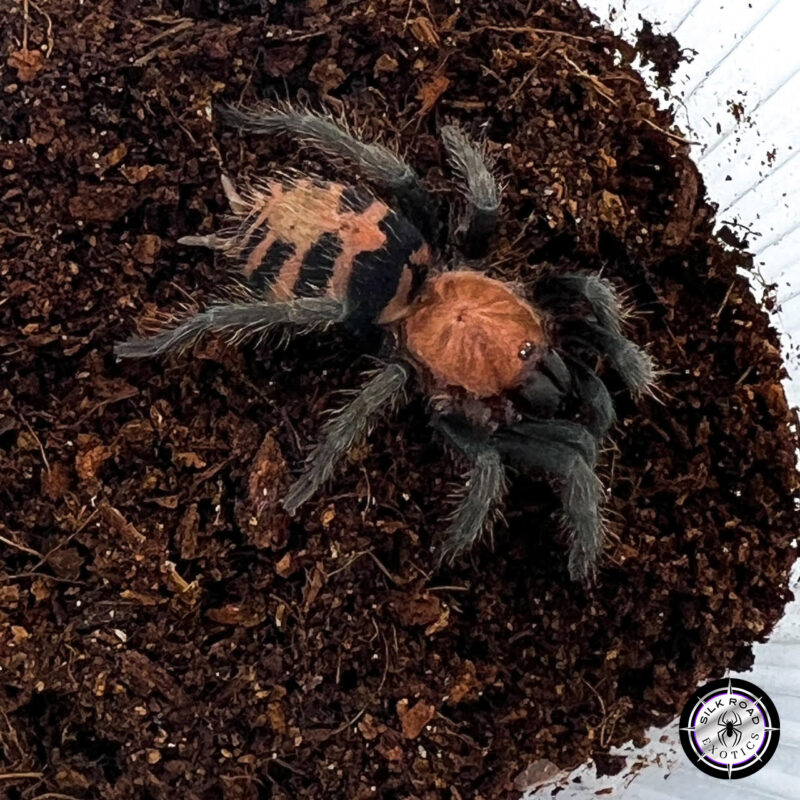
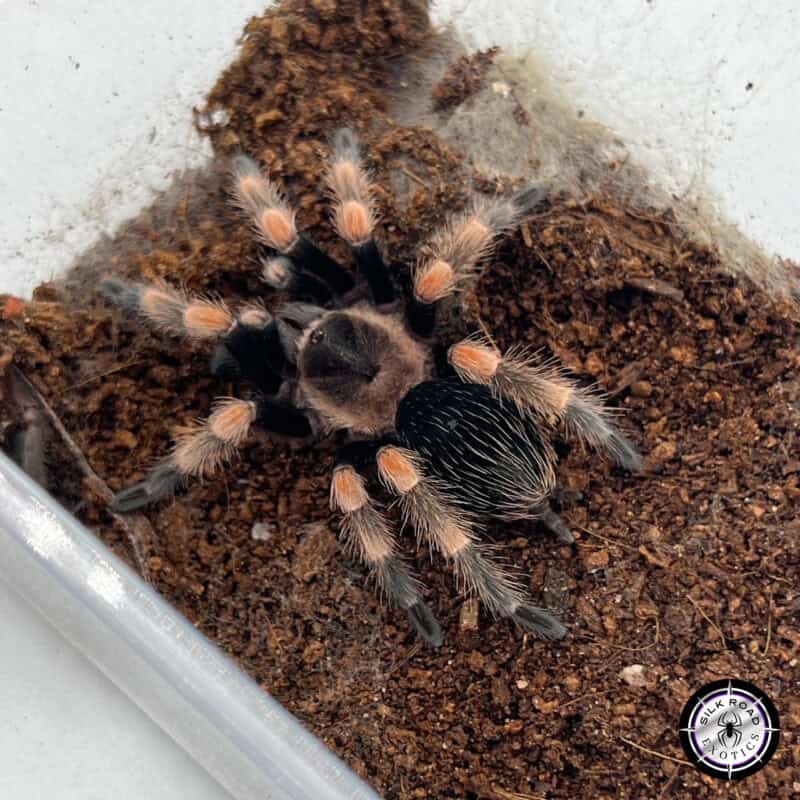
The Mexican Red Leg Tarantula (Brachypelma emilia) stands as one of the most captivating and rewarding species in the hobby, embodying everything that makes New World tarantulas so beloved by enthusiasts. With their stunning contrast of jet-black bodies adorned with brilliant orange-red leg segments and metallic bronze carapaces, these magnificent arachnids are living works of art that never fail to mesmerize both seasoned keepers and newcomers alike.
What truly sets B. emilia apart is their perfect balance of visual appeal and docile temperament. Unlike their more defensive cousins, Mexican Red Legs are remarkably calm and predictable, making them exceptional ambassadors for the species. They’re active enough to provide engaging observations yet relaxed enough to handle when necessary. Their impressive longevity—with females potentially living over two decades—means you’re not just acquiring a pet, but embarking on a long-term relationship with a truly remarkable creature.
This species represents the epitome of what makes the Brachypelma genus so special. Hailing from the scrublands of Western Mexico, they are incredibly hardy and forgiving of minor husbandry errors. At Silk Road Exotics, we recommend the Red Leg for anyone looking for a “showpiece” animal that is as easy to care for as it is beautiful to look at.
| Species | Brachypelma emilia |
| Common Name | Mexican Red Leg |
| Origin | Western Mexico |
| Adult Size | 5-6 inches (13-15 cm) |
| Lifespan | Females: 20-30 years, Males: 5-8 years |
| Growth Rate | Slow |
| Temperament | Very Docile / Calm |
| Care Level | Beginner |
| Type | Terrestrial |
| Handling | Safe / Calm |
Enclosure Setup
Size
For an adult B. emilia, a 5 to 10-gallon horizontal enclosure is the gold standard. Since they are terrestrial, floor space is significantly more important than height. Ensure the distance between the substrate and the lid is no more than 1.5 times the spider’s leg span to prevent injury from accidental falls.
Substrate
Provide 4–6 inches of dry substrate. A blend of coco-fiber and peat moss works perfectly. While they spend most of their time on the surface, they do enjoy occasional burrowing, especially as juveniles. Keep the substrate bone-dry; this species does not appreciate high humidity.
Hide and Decor
A cork bark half-round or a pre-made cave is essential for their security. They are “display” spiders and will often sit out in the open, but they must have a dark retreat to feel safe. Feel free to add desert-themed decor like dried cholla wood or artificial succulents to complete the look.
Temperature and Humidity
The Mexican Red Leg thrives in standard room temperatures between 75°F and 80°F (24-27°C). They are very hardy regarding temperature, but a consistent warm spot will encourage better appetite and growth. Humidity should be kept low, around 50-60%.
Silk Road Tip: Never use sponges in water dishes. A shallow, clean water dish is all they need. If you see the spider hovering over the dish, it may be a sign the enclosure is too dry—simply overflow the water dish slightly into the corner substrate once a month.
Feeding
Their slow metabolism means they don’t need to eat as often as tropical species. Adult B. emilia should be fed 4-5 large crickets or one large Dubia roach every 10–14 days. Spiderlings should be fed small pinhead crickets or fruit flies twice a week to support their growth.
Temperament and Handling
This is widely considered one of the best “handling” spiders in the world. They are slow-moving and rarely show defensiveness. However, like all Brachypelma, they do possess urticating hairs on their abdomen which they can flick if startled. Always use a soft paintbrush to guide the spider during maintenance or handling.
Ready to Add a Masterpiece to Your Collection?
We have the Mexican Red Leg (B. emilia) available now with live arrival guaranteed.