Blue Lightning Tarantula Care: Everything You Need to Know

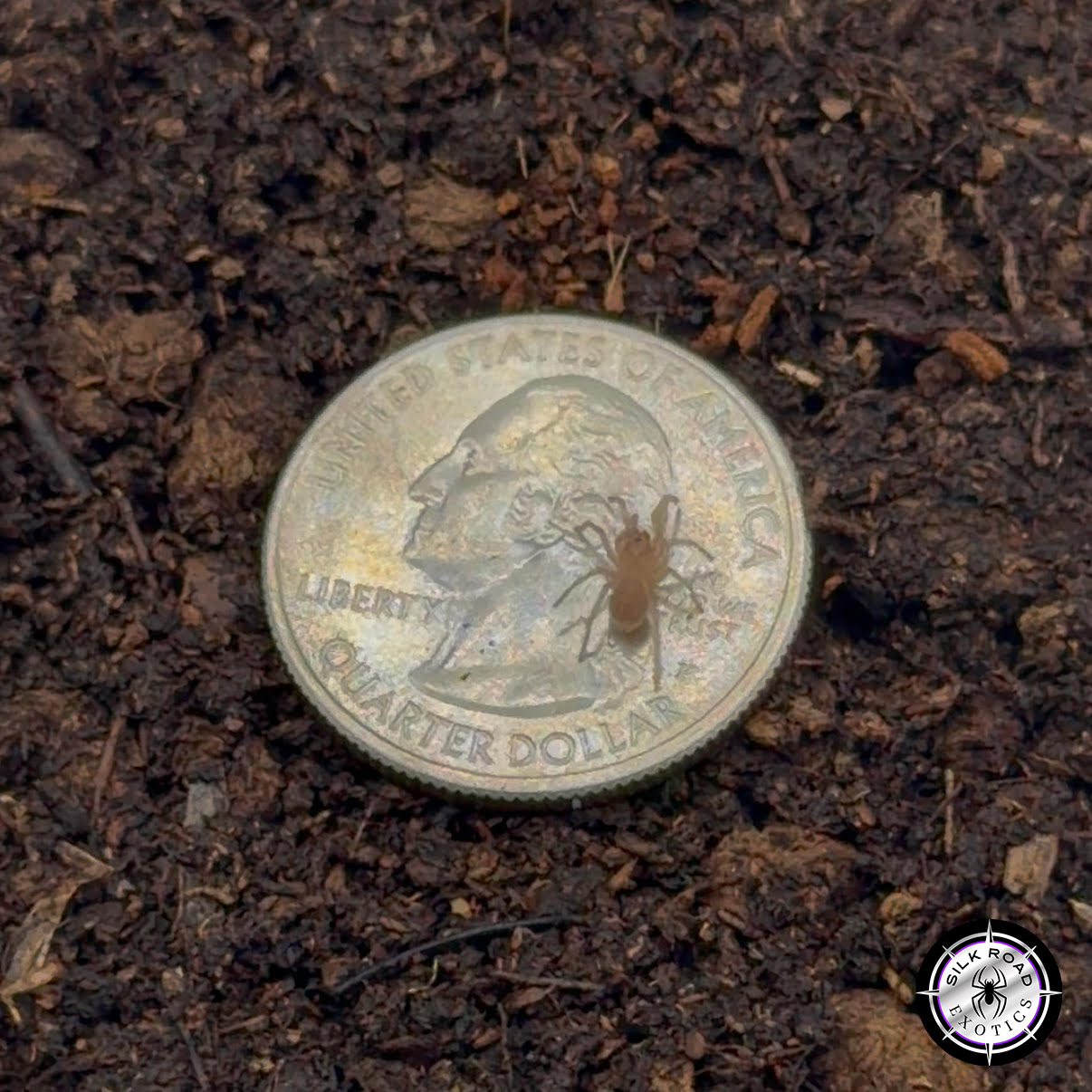
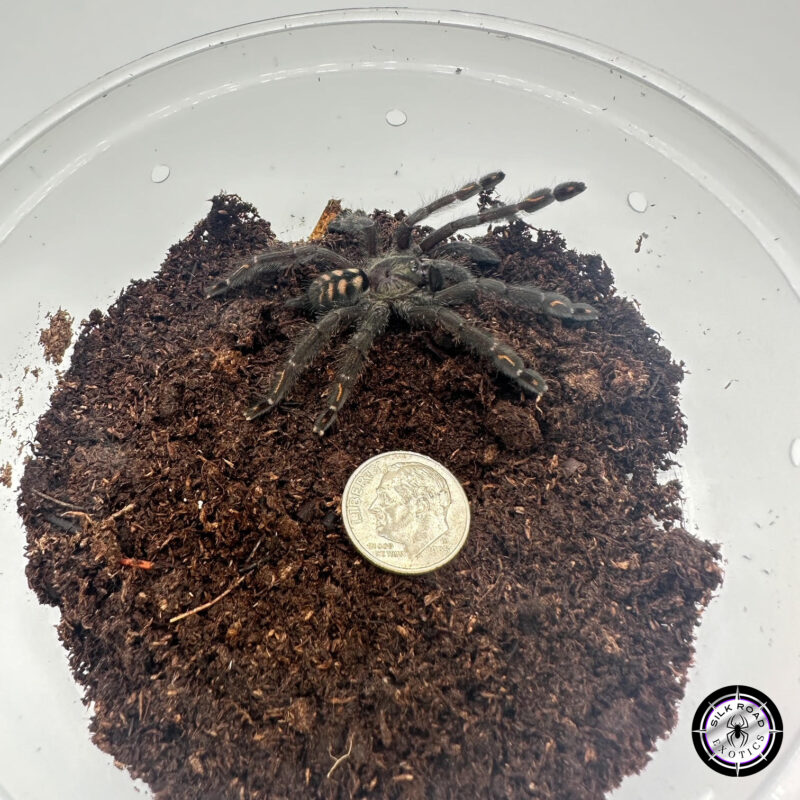
The Blue Lightning Tarantula (Ephebopus cyanognathus) stands as one of the most visually stunning specimens in the tarantula world, earning its place as a true crown jewel for intermediate to advanced keepers. This arboreal beauty from French Guiana captivates enthusiasts with its incredible electric blue chelicerae that seem to glow like lightning against its velvety black body. The contrast is absolutely breathtaking – when this spider displays those brilliant blue mouthparts during feeding or threat postures, it’s a sight that never gets old, no matter how many times you witness it.
What truly sets E. cyanognathus apart isn’t just its otherworldly appearance, but its fascinating behavioral repertoire. These spiders are notorious escape artists with lightning-fast reflexes that match their common name. They’re incredibly athletic climbers who can leap impressive distances when startled, making them both thrilling and challenging to maintain. Their webbing behavior is equally impressive – they create intricate funnel web systems in their arboreal setups that serve as both hunting grounds and secure retreats.
While their beauty is undeniable, Blue Lightning Tarantulas demand respect and experience from their keepers. They’re not display animals in the traditional sense, as they tend to be secretive and quick to retreat. However, for those who appreciate the privilege of maintaining such an extraordinary species, the reward lies in observing their natural behaviors and witnessing one of nature’s most spectacular color combinations in the arachnid world.
| Species | Ephebopus cyanognathus |
| Common Name | Blue Lightning Tarantula |
| Origin | French Guiana |
| Adult Size | 4.5-5.5 inches (11-14 cm) |
| Lifespan | Males: 2-3 years, Females: 8-12 years |
| Growth Rate | Fast |
| Temperament | Defensive, fast, secretive |
| Care Level | Intermediate |
| Type | Arboreal |
| Handling | Not Recommended |
Enclosure Setup
Size
Adult Blue Lightning Tarantulas require vertically oriented enclosures measuring at minimum 12″ x 12″ x 18″ tall, though 18″ x 18″ x 24″ is preferable for optimal comfort. The emphasis on height is crucial since these are primarily arboreal species that utilize vertical space extensively. Juvenile specimens can be housed in smaller arboreal setups like 6″ x 6″ x 10″ enclosures, but they grow quickly and will need upgrades within their first year.
Substrate
Use a moisture-retentive substrate mixture of 60% peat moss, 30% coconut fiber, and 10% vermiculite, maintaining a depth of 3-4 inches. This combination provides excellent drainage while retaining necessary humidity. Avoid overly wet conditions that can lead to fungal issues, but ensure the substrate never completely dries out. A light misting of the substrate edges weekly usually maintains proper moisture levels.
Hide and Water
Provide multiple climbing opportunities with cork bark tubes, branches, or artificial plants arranged vertically. The primary hide should be a cork bark tube positioned at a 45-degree angle, creating both climbing surface and retreat space. Include a small water dish at the substrate level, but don’t be surprised if it’s rarely used – these spiders often prefer water droplets from misting. Live or artificial plants help create additional hiding spots and humidity microclimates.
Ventilation
Excellent ventilation is non-negotiable for this species. Ensure cross-ventilation with ventilation strips on opposite sides of the enclosure, positioned at different heights. Stagnant air combined with high humidity creates the perfect storm for mold and bacterial issues that can quickly become fatal. The goal is gentle air movement without creating drafts that could stress the spider.
Temperature and Humidity
Maintain ambient temperatures between 75-80°F (24-27°C) with nighttime drops to 70-75°F (21-24°C). Avoid heat sources that create hot spots, as these spiders prefer consistent, moderate temperatures. Humidity should remain between 70-80%, achieved through substrate moisture and occasional misting of enclosure walls – never spray the spider directly.
Monitor conditions with reliable digital hygrometers placed at different heights within the enclosure. The microclimate near their preferred retreat should remain slightly more humid than the overall enclosure average. During winter months in heated homes, you may need to increase misting frequency to maintain proper humidity levels.
Feeding
Blue Lightning Tarantulas are voracious predators with excellent feeding responses. Juveniles should receive appropriately sized crickets, roach nymphs, or fruit flies every 4-5 days. The prey should be roughly the size of the spider’s abdomen – these spiders can handle surprisingly large prey items for their size.
Adult specimens thrive on adult crickets, dubia roaches, or occasional hornworms every 7-10 days. During peak growing seasons, they may accept food every 5-7 days. Pre-kill prey items for safety, as these spiders are fast enough to catch live prey but pre-killed items reduce injury risk. Remove uneaten food within 24 hours to prevent spoilage in the humid environment.
Feeding behavior is spectacular to observe – they often descend rapidly from their retreats to capture prey, displaying those stunning blue chelicerae in the process. Pregnant females may refuse food for 2-3 weeks before molting, which is completely normal behavior.
Temperament and Handling
This species epitomizes the “look but don’t touch” philosophy of tarantula keeping. Blue Lightning Tarantulas are incredibly fast, unpredictable, and have a strong tendency to bolt when disturbed. Their threat posture is impressive, rearing up to display those electric blue mouthparts, but this display often precedes a lightning-fast escape attempt.
They’re not aggressive in the traditional sense but are highly defensive and stress easily. Any enclosure maintenance should be planned carefully with escape routes blocked. Use long feeding tongs for prey delivery and consider these spiders visual specimens rather than interactive pets. Their speed and jumping ability make handling extremely risky for both spider and keeper.
When undisturbed, they exhibit fascinating natural behaviors including web construction, prey stalking from their retreats, and intricate grooming routines. These behaviors are far more rewarding to observe than any handling interaction could provide.
Molting
Pre-molt signs include refusal to feed, increased web activity, and a darkening of the abdomen as the new exoskeleton shows through. Juveniles molt every 2-3 months during peak growing seasons, while adults may molt annually or bi-annually.
During the molting process, maintain higher humidity levels (80-85%) and absolute quiet. Remove any uneaten prey items and avoid any disturbance for 5-7 days post-molt until the new exoskeleton hardens. The fresh blue coloration on newly molted specimens is absolutely stunning – the blues appear even more vibrant on the new exoskeleton.
Post-molt specimens are extremely fragile and should not be fed for 5-7 days minimum. Their first meal after molting often triggers a feeding frenzy period where they’ll accept food every few days for several weeks.
Common Mistakes to Avoid
Inadequate ventilation combined with high humidity – This creates stagnant conditions perfect for mold growth and respiratory issues. Always prioritize air movement over humidity retention.
Using primarily horizontal enclosures – These arboreal spiders need vertical space and become stressed in terrestrial-style setups, often leading to refusal to eat and abnormal behaviors.
Attempting to handle or closely observe – Their incredible speed and defensive nature make close interaction dangerous. Many escapes happen during routine maintenance when keepers underestimate their speed.
Overfeeding adults – Their fast metabolism in juvenile stages doesn’t continue into adulthood. Overweight adults have higher molting mortality rates.
Insufficient retreat options – Without proper vertical hiding spots, these secretive spiders become chronically stressed, leading to poor appetite and health issues.
Is the Blue Lightning Tarantula Right for You?
The Blue Lightning Tarantula represents the perfect species for intermediate keepers ready to step up from more docile species while gaining experience with defensive arboreal tarantulas. If you’re seeking a display animal that you can observe regularly or handle occasionally, this isn’t your species. However, if you appreciate maintaining a piece of living art and find satisfaction in successfully keeping a challenging species, E. cyanognathus offers unmatched visual rewards.
These spiders demand attention to environmental details, respect for their speed and defensive nature, and acceptance that they’ll spend much of their time hidden in retreats. The payoff comes in those magical moments when they venture out, hunt, or display their threat posture – the electric blue chelicerae against the black body creates one of the most stunning sights in the arachnid world. For keepers who understand and appreciate these requirements, the Blue Lightning Tarantula
Ready to Add One to Your Collection?
We have the Blue Lightning Tarantula available now with live arrival guaranteed.