Orange Leg Vietnamese Centipede – Care: Everything You Need to Know

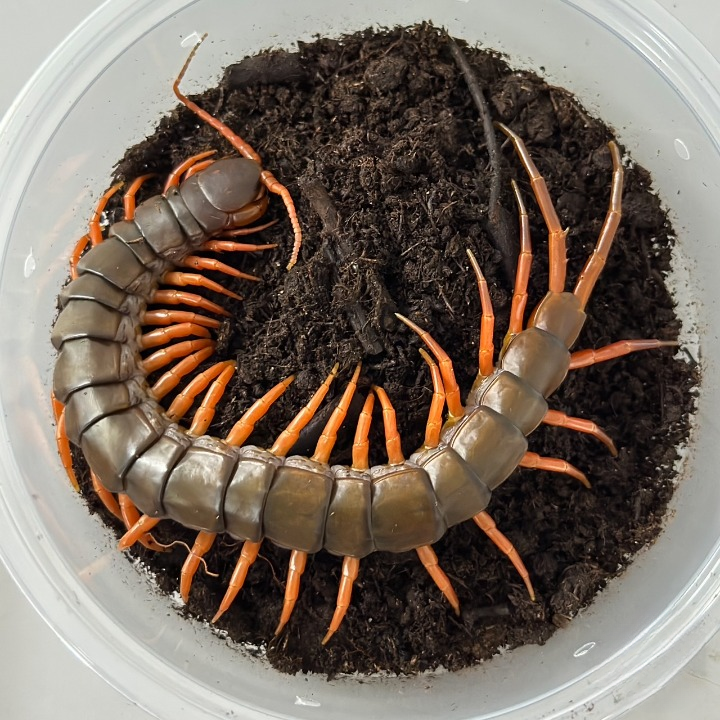
The Orange Leg Vietnamese Centipede (Scolopendra subspinipes) represents one of the most visually striking and captivating members of the myriapod world. With their dramatic contrast of deep black bodies adorned with brilliant orange-red legs, these magnificent arthropods command respect and admiration from experienced keepers. Native to the tropical forests of Vietnam and surrounding Southeast Asian regions, they’ve earned their place as one of the most sought-after centipede species in the hobby.
What truly sets the Orange Leg Vietnamese apart is not just their stunning coloration, but their impressive size and robust nature. These are substantial animals that can reach lengths exceeding 8 inches, making them true giants among invertebrates. Their bold personality matches their appearance – they’re confident predators that display fascinating hunting behaviors and surprising intelligence. Unlike some of their more reclusive cousins, Orange Legs often remain visible during feeding time and show genuine curiosity about their environment.
For the dedicated keeper willing to respect their potent venom and specific care requirements, these centipedes offer an unparalleled glimpse into the world of tropical predatory arthropods. They’re living jewels that bring both beauty and primal excitement to any serious invertebrate collection.
| Species | Scolopendra subspinipes |
| Common Name | Orange Leg Vietnamese Centipede |
| Origin | Vietnam, Southeast Asia |
| Adult Size | 7-9 inches (18-23 cm) |
| Lifespan | 5-8 years |
| Growth Rate | Moderate |
| Temperament | Aggressive, Defensive |
| Care Level | Intermediate |
| Type | Terrestrial Predator |
| Handling | Not Recommended |
Enclosure Setup
Size
A minimum 20-gallon long tank is essential for adult Orange Leg Vietnamese Centipedes, though a 40-gallon breeder tank is ideal for providing adequate floor space. These are active hunters that appreciate room to patrol their territory. The enclosure should prioritize horizontal space over height – a 36″ x 18″ footprint allows natural behaviors while preventing dangerous falls.
Substrate
Provide 4-6 inches of moisture-retaining substrate that allows for natural burrowing behaviors. A mixture of coconut fiber, peat moss, and leaf litter creates an ideal foundation. The substrate should hold humidity well while maintaining good drainage to prevent waterlogging. Avoid cedar or pine shavings, which can be toxic to arthropods.
Hide and Water
Multiple hiding spots are crucial for security and proper molting. Provide at least two hides – one on the warm side and one on the cool side of the enclosure. Cork bark, artificial caves, or even overturned flower pots work excellently. A shallow water dish should be available at all times, large enough for the centipede to drink from but not so deep as to pose a drowning risk.
Ventilation
Proper ventilation prevents stagnant air and mold growth while maintaining necessary humidity levels. A standard screen top with some areas partially covered with plastic or glass works well. Cross-ventilation through side vents can be beneficial in larger enclosures. The goal is gentle air movement without creating drafts that could desiccate your centipede.
Temperature and Humidity
Orange Leg Vietnamese Centipedes thrive in tropical conditions that mirror their native habitat. Maintain temperatures between 75-82°F (24-28°C) with a slight thermal gradient. Night temperatures can drop to 72-75°F (22-24°C) safely. Use under-tank heaters rather than overhead lighting to avoid drying out the substrate and your centipede.
Humidity should remain consistently between 70-85%. This species is particularly sensitive to dehydration, making proper humidity levels critical for successful keeping. Monitor humidity with a reliable digital hygrometer and mist one side of the enclosure as needed. The substrate should feel damp but never soggy to the touch.
Feeding
Orange Leg Vietnamese Centipedes are voracious predators with hearty appetites. Adults should be fed appropriately sized prey every 7-10 days, while juveniles require feeding every 3-5 days due to their rapid growth rate. Suitable prey includes crickets, roaches, mealworms, superworms, and occasional pinkie mice for large adults.
Prey size should be roughly equivalent to the centipede’s body width – never larger than the space between their head and first body segment. Pre-killed prey is acceptable and often safer, reducing the risk of injury to your centipede. Remove uneaten food within 24 hours to prevent spoilage and bacterial growth in the humid environment.
Juveniles under 4 inches should receive smaller prey like small crickets, roach nymphs, or chopped mealworms. Their metabolism runs higher than adults, requiring more frequent feeding to support proper development and molting cycles.
Temperament and Handling
Orange Leg Vietnamese Centipedes possess potent venom and aggressive temperaments that make handling extremely inadvisable. These are display animals that should be appreciated from outside their enclosure. When threatened, they rear up on their hind legs, displaying their forcipules (venom claws) in an unmistakable warning posture.
Their bite can cause intense pain, swelling, and potentially serious medical complications in sensitive individuals. Even experienced keepers should never attempt bare-handed interaction. When maintenance requires moving your centipede, use long feeding tongs or encourage movement into a temporary container.
Despite their defensive nature, these centipedes show fascinating behaviors for observant keepers. They’re often active during twilight hours, patrolling their territory and investigating changes in their environment. Many individuals become bold enough to feed in full view, providing spectacular displays of their predatory prowess.
Molting
Molting is perhaps the most critical period in your centipede’s life cycle. Pre-molt signs include reduced appetite, sluggish behavior, and seeking secure hiding spots. The actual molting process can take several hours, during which your centipede is completely vulnerable.
Juveniles molt every 2-4 months, while adults may molt only once or twice yearly. During pre-molt and the week following ecdysis, avoid all disturbances and do not offer food. The new exoskeleton requires time to harden properly. Maintain slightly higher humidity during this period to prevent molting complications.
Never assist a molting centipede or remove shed exoskeletons immediately – your pet may consume portions of its old skin for nutritional benefits. Most molting problems result from inadequate humidity or premature disturbance.
Common Mistakes to Avoid
The most dangerous mistake is underestimating these centipedes’ speed and defensive capabilities. They can move with lightning quickness when startled, and their venom should never be taken lightly. Always secure the enclosure properly and never attempt handling.
Substrate depth is frequently underestimated by new keepers. Insufficient substrate prevents natural burrowing behaviors and can complicate molting. These centipedes feel most secure when they can excavate proper retreats.
Overfeeding is surprisingly common with these impressive predators. While they’re enthusiastic feeders, obesity can complicate molting and reduce lifespan. Stick to appropriate feeding schedules and prey sizes.
Temperature extremes prove fatal quickly. Avoid heat lamps that create hot spots exceeding 85°F, and never allow temperatures to drop below 68°F for extended periods. Consistent, gentle warmth is far superior to dramatic temperature swings.
Finally, inadequate ventilation combined with high humidity creates perfect conditions for harmful bacterial and fungal growth. Your centipede needs fresh air circulation without sacrificing the tropical humidity levels essential for proper health.
Is the Orange Leg Vietnamese Centipede Right for You?
The Orange Leg Vietnamese Centipede represents an intermediate to advanced keeping challenge that rewards dedicated hobbyists with one of nature’s most impressive predatory displays. These magnificent arthropods demand respect, consistent care, and appropriate safety precautions, but offer unmatched beauty and fascinating behaviors in return.
Consider this species if you’re an experienced invertebrate keeper seeking a bold, active display animal with stunning coloration. Their care requirements, while specific, are straightforward for keepers familiar with tropical species’ needs. However, their potent venom and aggressive nature make them unsuitable for beginners or anyone seeking a handleable pet. These are observation animals that bring the raw power and beauty of Southeast Asian rainforests into your collection.
Ready to Add One to Your Collection?
We have the Orange Leg Vietnamese Centipede – available now with live arrival guaranteed.