Venezuelan Suntiger Tarantula Care: Everything You Need to Know

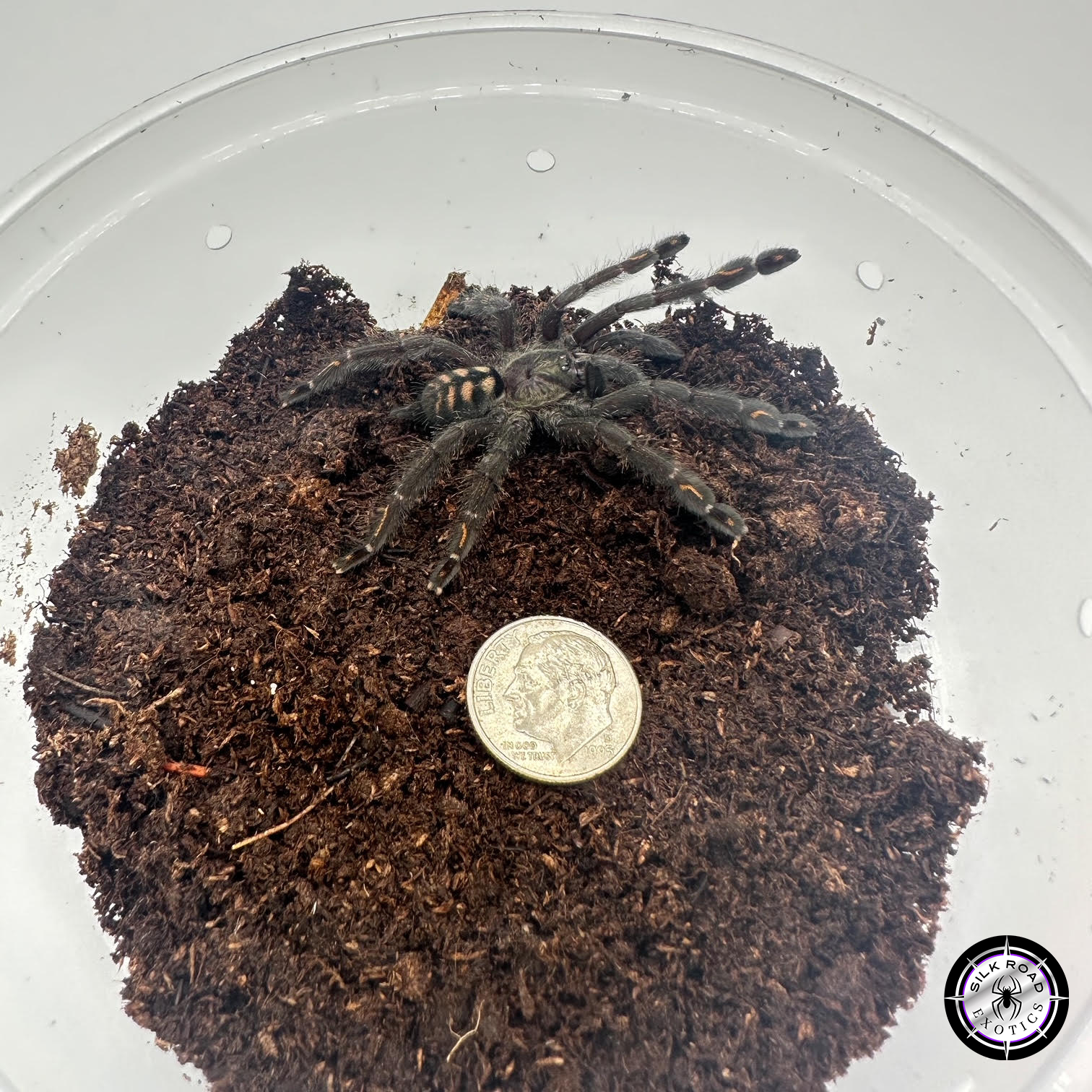
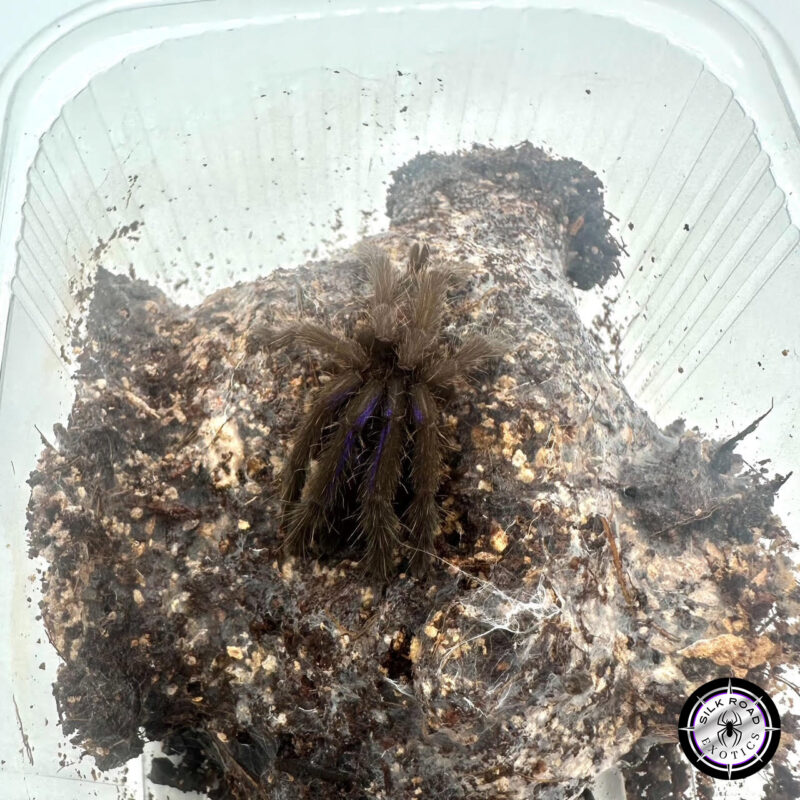
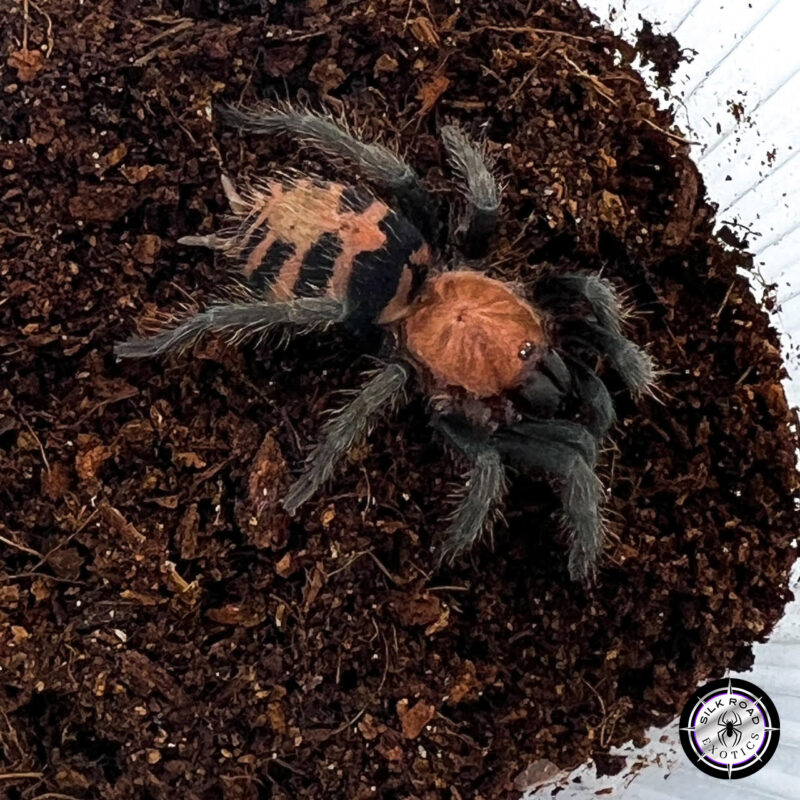
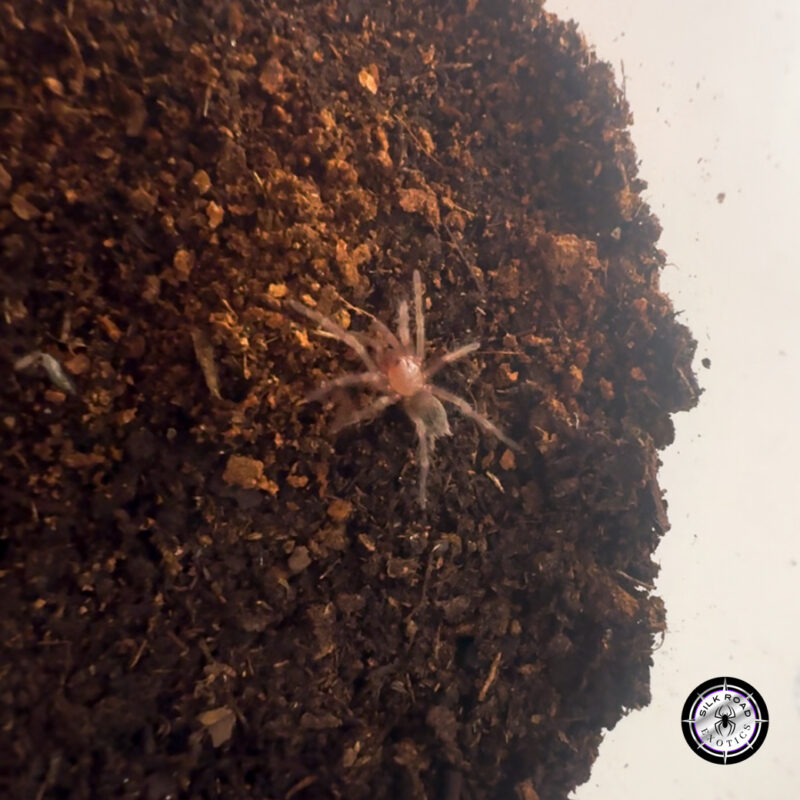
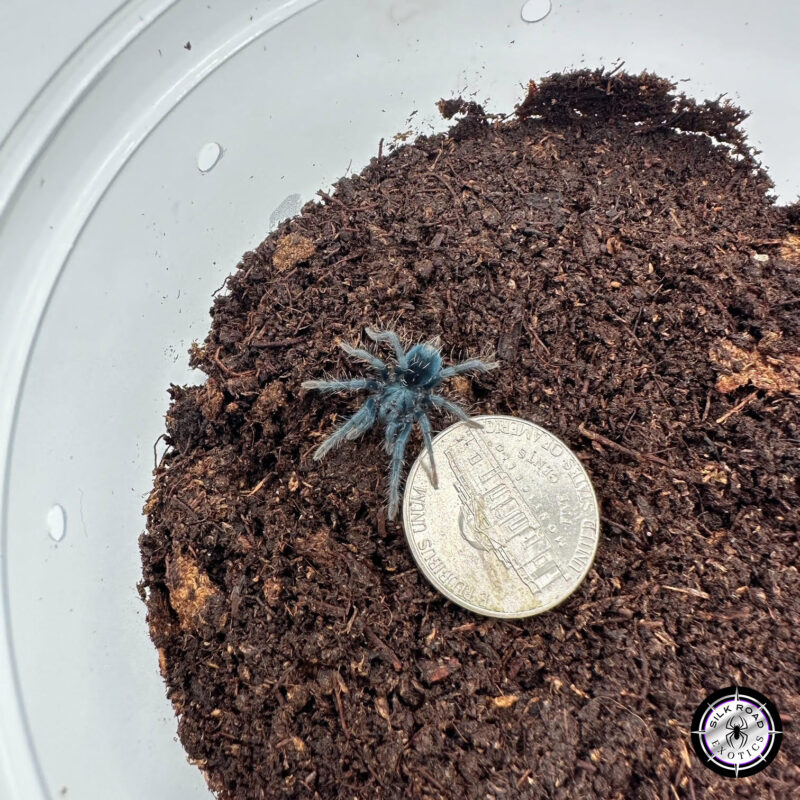
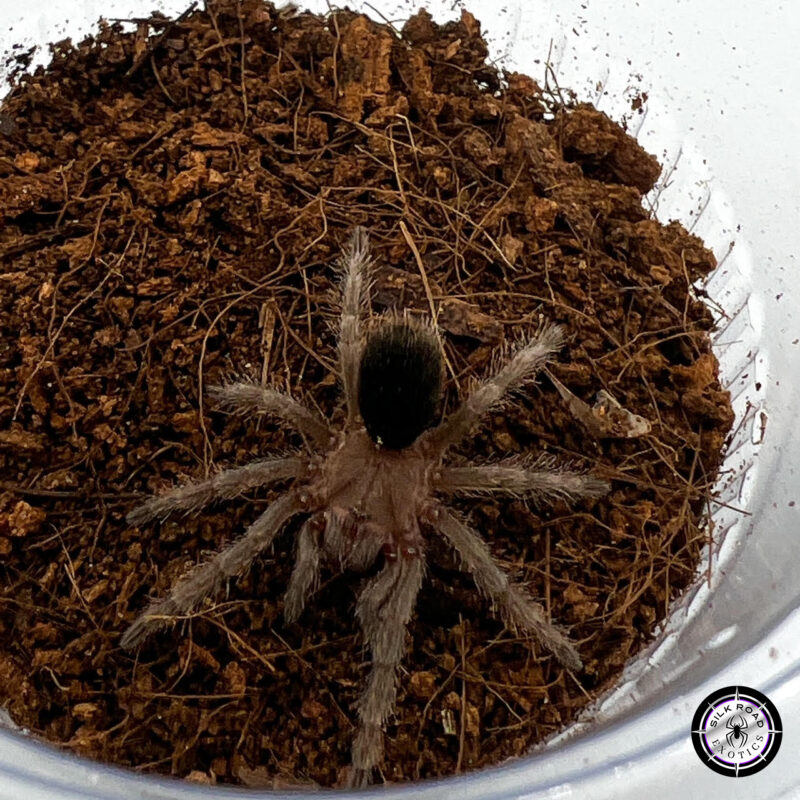
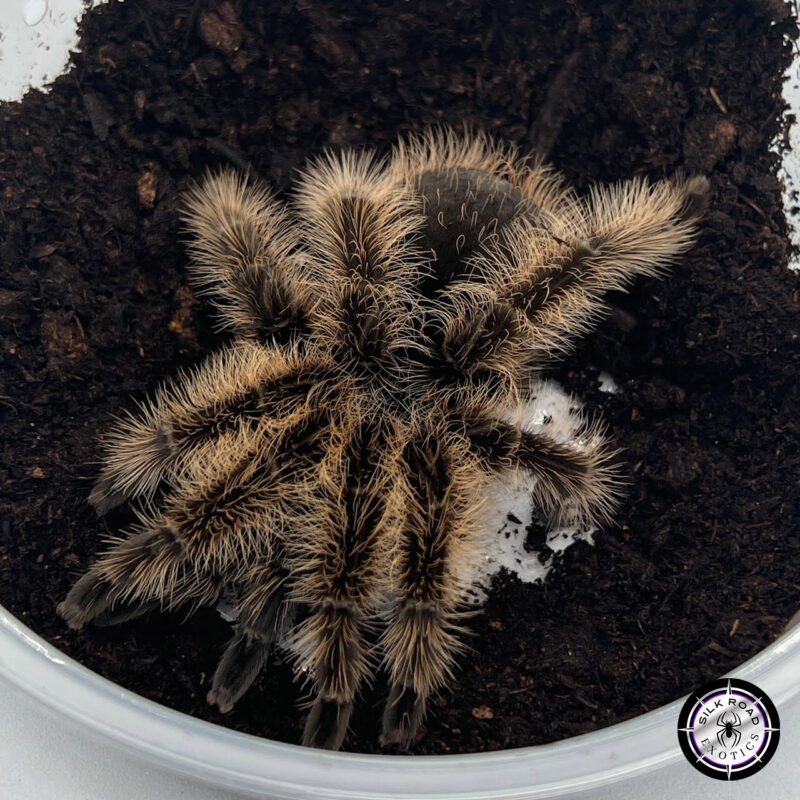
The Venezuelan Suntiger Tarantula (Psalmopoeus irminia) stands as one of the most breathtaking arboreal species in the hobby, and let me tell you—once you see those brilliant orange chevrons dancing across their jet-black legs, you’ll understand why collectors become absolutely obsessed with this species. Native to the tropical rainforests of Venezuela and Guyana, these stunning arachnids represent everything we love about New World arboreals: spectacular coloration, fascinating behaviors, and that perfect blend of beauty and attitude that keeps us coming back for more.
What truly sets P. irminia apart isn’t just their show-stopping appearance, though that certainly doesn’t hurt. These tarantulas exhibit some of the most interesting defensive behaviors you’ll encounter, from their lightning-fast threat postures to their incredible ability to seemingly vanish into their cork bark retreats. They’re incredibly photogenic subjects that photograph beautifully under proper lighting, making them favorites among hobbyists who love documenting their collections. The contrast between their dark carapace and those vivid orange markings creates a visual impact that never gets old, even after years of keeping them.
While they’re not exactly beginner-friendly due to their speed and defensive nature, intermediate keepers who’ve cut their teeth on other Psalmopoeus species will find P. irminia to be an absolutely rewarding addition to any collection. Their care requirements are straightforward once you understand their needs, and watching them establish territory in a well-designed arboreal setup is pure magic.
| Species | Psalmopoeus irminia |
| Common Name | Venezuelan Suntiger Tarantula |
| Origin | Venezuela, Guyana |
| Adult Size | 5-6 inches (12.7-15.2 cm) |
| Lifespan | Males: 2-3 years, Females: 12-15 years |
| Growth Rate | Fast |
| Temperament | Very Defensive, Fast, Skittish |
| Care Level | Intermediate |
| Type | New World Arboreal (No Urticating Hairs) |
| Handling | Highly Discouraged |
Enclosure Setup
Size
Venezuelan Suntigers absolutely thrive in tall, vertical enclosures that allow them to express their natural arboreal behaviors. For adults, I recommend a minimum of 12″ x 12″ x 18″ (LWH). Juveniles do perfectly well in smaller setups—an 8″ x 8″ x 12″ works wonderfully for spiderlings up to about 3 inches. The key is providing more vertical space than horizontal, as these animals naturally want to climb and establish territories in elevated positions.
Substrate
Keep the substrate layer relatively shallow since these are arboreal species—about 2-3 inches is perfect. I prefer a mixture of coconut fiber and peat moss, which holds moisture well without becoming waterlogged. Some keepers add a small amount of vermiculite to improve drainage, which works beautifully. Avoid overly wet substrates, as these can lead to mold issues in the humid environment these tarantulas require.
Hide and Water
Cork bark is absolutely essential for P. irminia—they’ll create elaborate web retreats against vertical pieces, often creating “dirt curtains” by weaving substrate into their silk. Position cork bark pieces at various angles to create multiple retreat options. A small water dish placed on the substrate level provides necessary hydration; while they get moisture from prey, they will drink from a dish if they are thirsty.
Ventilation
Proper ventilation is non-negotiable to prevent stagnant air. Cross-ventilation works best—vents on two opposite sides of the enclosure create gentle air flow. This prevents the “swampy” conditions that can be fatal to Psalmopoeus species.
Temperature and Humidity
Venezuelan Suntigers prefer temperatures between 72-80°F (22-27°C). While they can tolerate higher temps for short periods, avoid spikes above 85°F (29°C). Humidity should be maintained between 70-80%, which can be achieved through a full water dish and occasional light substrate misting. The goal is maintaining ambient humidity; let the top layer of substrate dry slightly between mistings to prevent mold.
Feeding
These tarantulas are enthusiastic feeders with excellent appetites. Juveniles should be offered appropriately-sized crickets, roaches, or mealworms every 5-7 days. The prey item should be roughly the same size as the spider’s abdomen. Adults can handle larger prey items like adult crickets or medium roaches, fed every 7-10 days.
One of the most exciting aspects of keeping P. irminia is watching them hunt. They’re incredibly fast strikers and will often grab prey items with lightning speed before retreating to their webbed retreats to feed.
Temperament and Handling
Let’s be completely honest here—Venezuelan Suntigers are not handleable tarantulas, and that’s perfectly fine! Because they lack urticating hairs, their primary defense is speed or a bite. They are very defensive and prone to bolting when disturbed. They’ll often rear up into threat postures when they feel cornered. Maintenance should always be done with long tongs and careful planning—these spiders move with startling speed and will take any escape opportunity.
Molting
Pre-molt signs include decreased appetite and a darkening abdomen. P. irminia typically create thick molt mats within their retreats, often sealing themselves in completely. The actual molting process usually takes several hours, and they’ll remain soft and vulnerable for 7-14 days afterward depending on size. Never attempt to feed or disturb a tarantula that has sealed its retreat.
Common Mistakes to Avoid
The biggest mistake I see new P. irminia keepers make is underestimating their speed. These aren’t Avicularia—they’re fast, unpredictable, and will bolt without hesitation. Always have a catch cup ready during maintenance.
Over-misting is another common issue. While these tarantulas need humidity, they do not tolerate stagnant or soggy conditions. Prioritize cross-ventilation over excessive misting.
Finally, don’t expect your Suntiger to be constantly visible. These are semi-secretive spiders that spend significant time in their webbed retreats, especially during the day. This is normal, healthy behavior.
Is the Venezuelan Suntiger Tarantula Right for You?
If you’re looking for a display species that combines stunning beauty with fascinating natural behaviors, and you have experience with other fast arboreals, then P. irminia might be perfect for your collection. They’re relatively straightforward to care for once you understand their needs, and they’re absolutely gorgeous animals that never fail to impress.
However, if you’re hoping for a handleable pet, you might want to start with a more forgiving species. These tarantulas demand respect, but for intermediate keepers ready for the challenge, they offer an incredibly rewarding experience.
Ready to Add One to Your Collection?
We have the Venezuelan Suntiger Tarantula available now with live arrival guaranteed.