Guatemalan Tiger Rump Tarantula Care: Everything You Need to Know

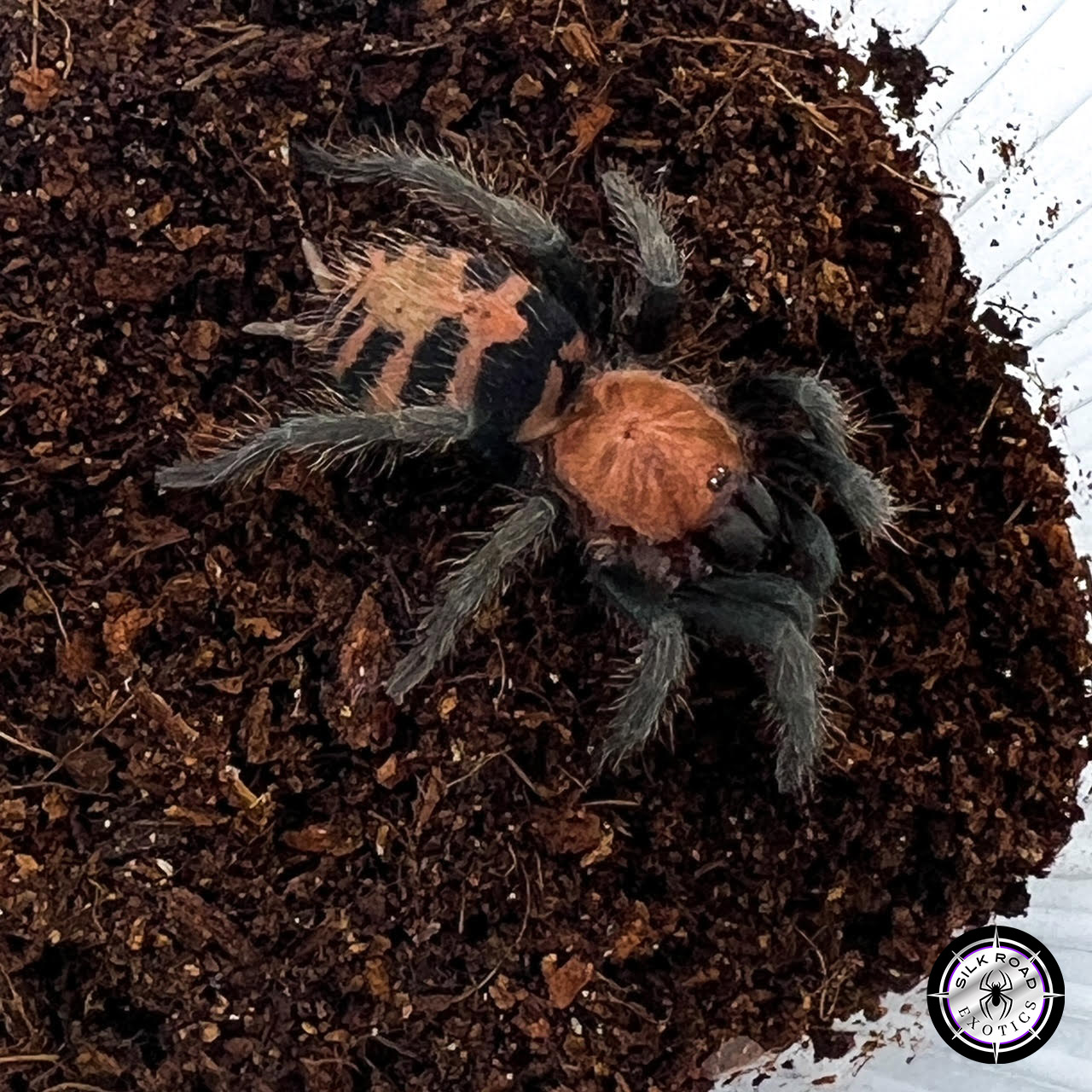
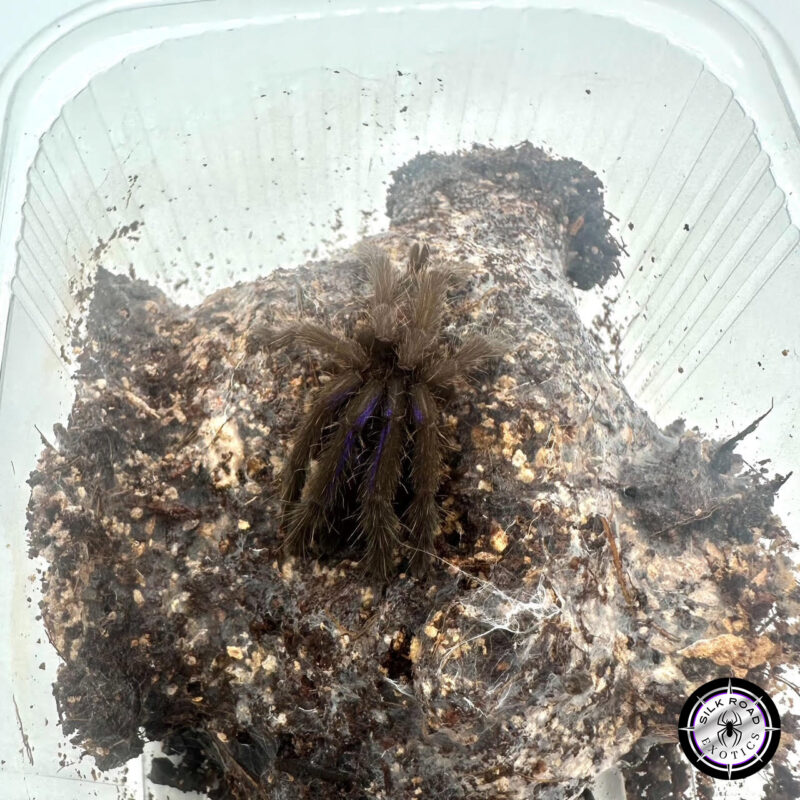
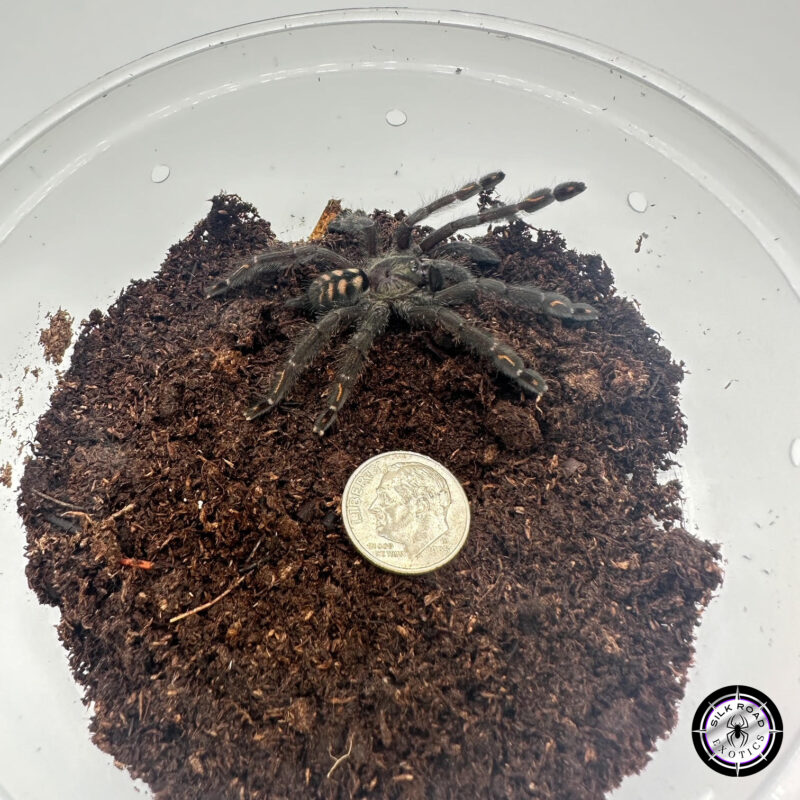
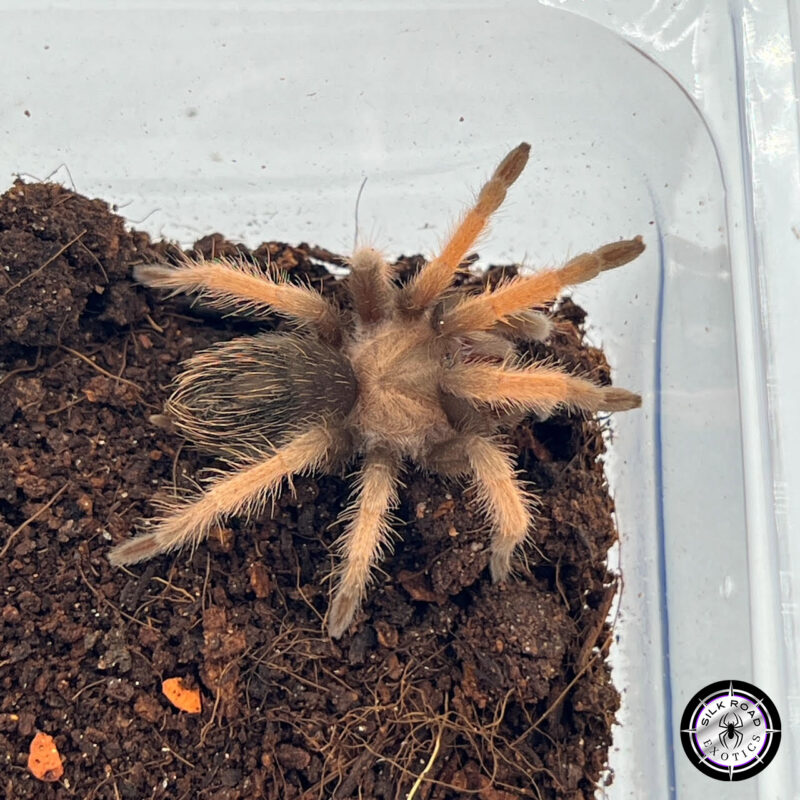
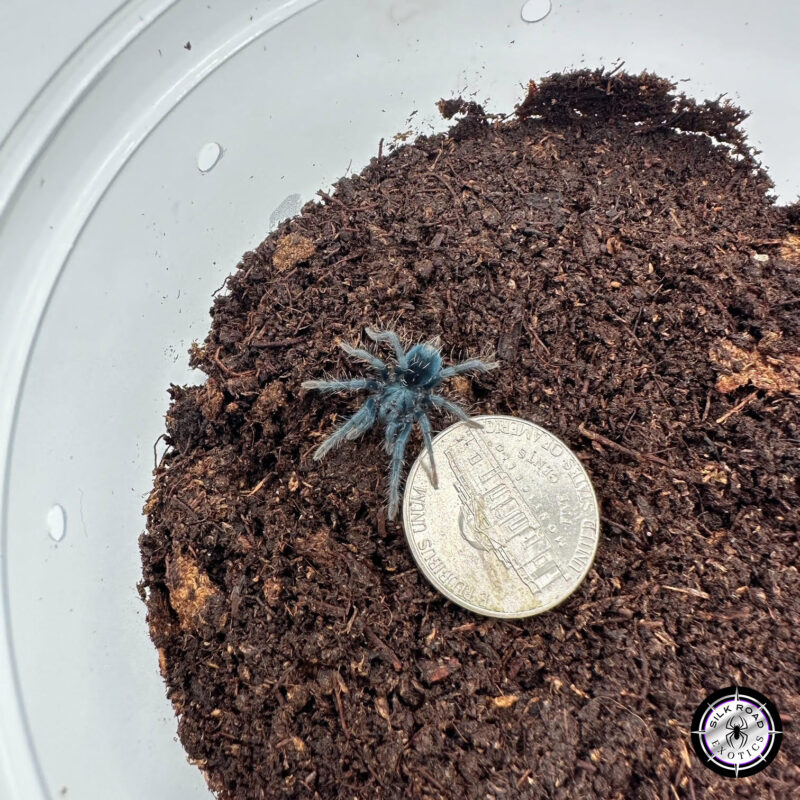
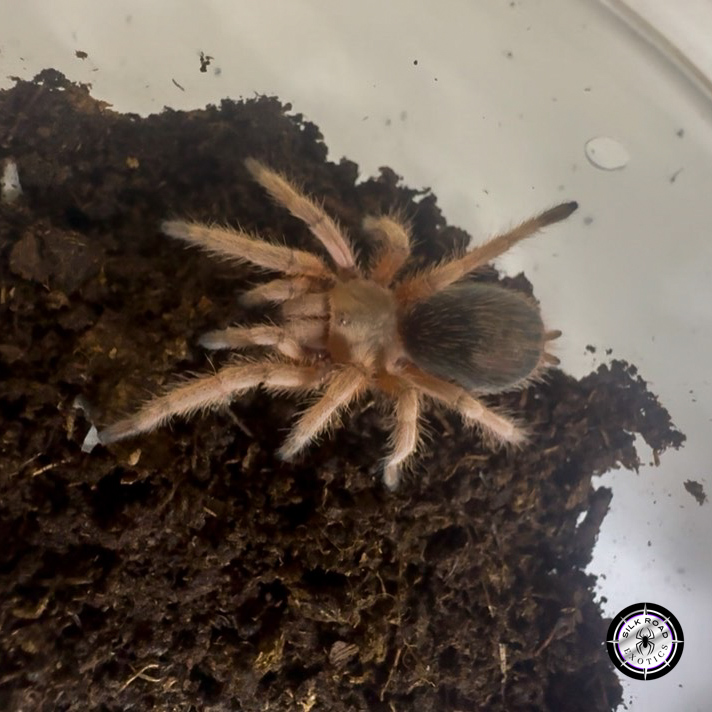
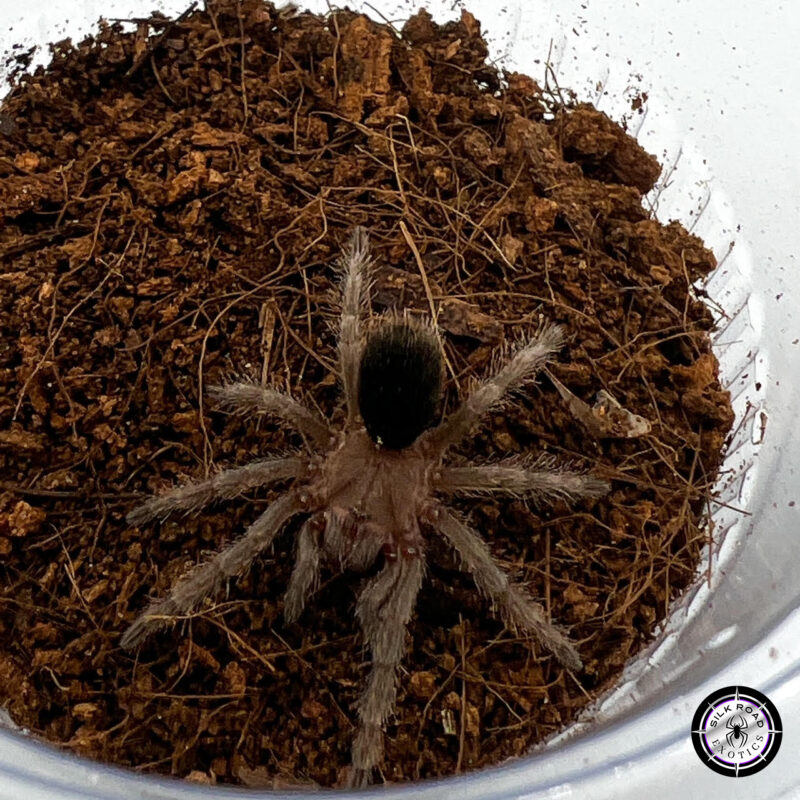
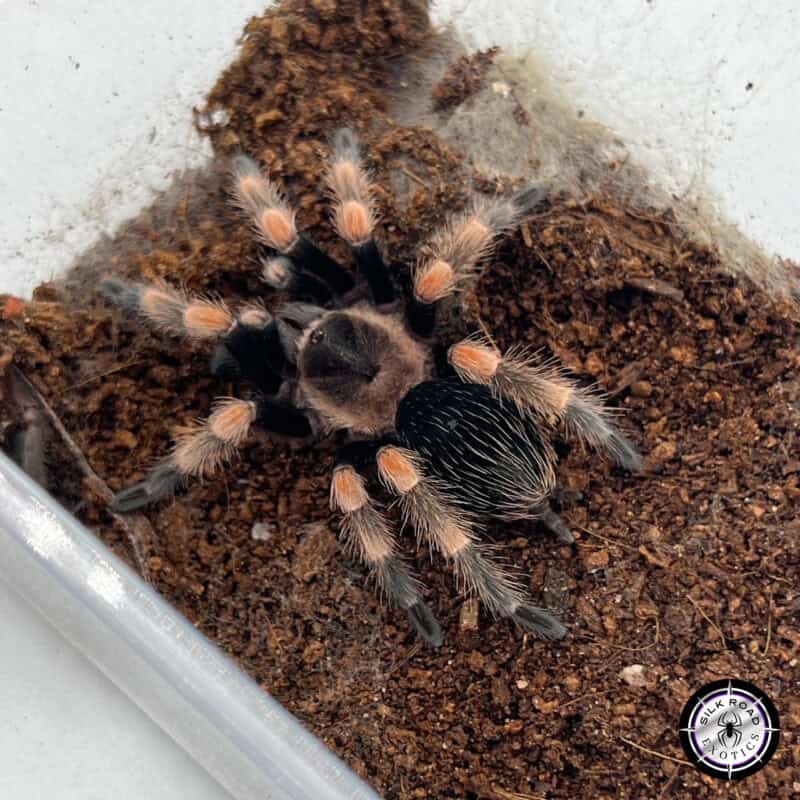
The Guatemalan Tiger Rump Tarantula (Cyclosternum fasciatum) is an absolute gem that deserves far more recognition in the hobby than it currently receives. This stunning Central American species combines striking visual appeal with fascinating behavioral traits that make it a captivating addition to any serious arachnid collection. What truly sets this species apart is its remarkable blend of bold orange and black striping across the abdomen, reminiscent of a tiger’s pattern, paired with robust legs that showcase beautiful contrast banding.
What makes me particularly passionate about C. fasciatum is their unique personality profile within the hobby. Unlike many other terrestrial species, these tarantulas exhibit a perfect balance of visibility and manageability. They’re active enough to be regularly observed, yet not so defensive that they become stressful to maintain. Their semi-fossorial nature means you’ll witness fascinating burrowing behaviors while still enjoying regular surface appearances, especially during feeding time.
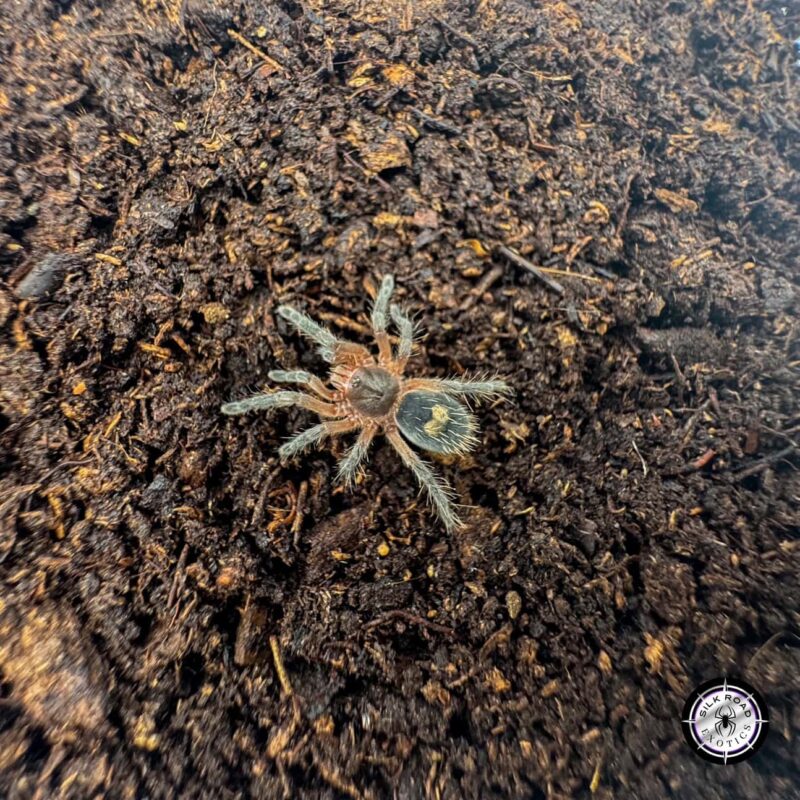
From a husbandry perspective, Guatemalan Tiger Rumps represent an excellent stepping stone for intermediate keepers looking to expand beyond the typical beginner species. They’re forgiving enough for those still learning the nuances of tarantula care, yet engaging enough to maintain long-term interest. Their moderate growth rate and impressive adult size make them rewarding to raise from spiderlings, and their relatively long lifespan ensures years of enjoyment.
| Species | Cyclosternum fasciatum |
| Common Name | Guatemalan Tiger Rump Tarantula |
| Origin | Guatemala, Honduras |
| Adult Size | 5-6 inches (12-15 cm) |
| Lifespan | Females: 12-15 years, Males: 3-4 years |
| Growth Rate | Medium |
| Temperament | Docile to slightly defensive |
| Care Level | Intermediate |
| Type | Terrestrial/Semi-fossorial |
| Handling | With Caution |
Enclosure Setup
Size
For juvenile C. fasciatum, a 5-gallon enclosure provides adequate space, but adults truly thrive in 10-20 gallon long tanks. The key is prioritizing floor space over height—aim for at least 18 inches of length and 12 inches of width for adults. These tarantulas appreciate room to roam and establish territory, and cramped conditions can lead to stress-related behaviors.
Substrate
Substrate depth is crucial for this semi-fossorial species. Provide 4-6 inches of a moisture-retaining mixture such as coconut coir, peat moss, and vermiculite in a 60:30:10 ratio. This blend allows for proper burrow construction while maintaining appropriate humidity levels. Avoid purely coconut fiber substrates, as they can become too dry for this species’ requirements.
Hide and Water
Provide a sturdy hide that’s just large enough for your tarantula to fit comfortably—oversized hides can actually increase stress. Cork bark flats, artificial caves, or half-buried terracotta pots work excellently. A shallow water dish is essential, as Guatemalan Tiger Rumps will drink regularly and appreciate the localized humidity boost. Position the water dish away from the primary hide to prevent excessive moisture in the spider’s retreat.
Ventilation
Moderate ventilation prevents stagnation while maintaining humidity. Ensure cross-ventilation with vents on opposite sides of the enclosure, but avoid excessive airflow that could desiccate your tarantula. Screen lids should have 40-60% of the mesh blocked to balance air exchange with moisture retention.
Temperature and Humidity
Guatemalan Tiger Rumps thrive in temperatures between 70-78°F (21-26°C), with nighttime drops to 65-70°F (18-21°C) being beneficial and natural. Avoid temperatures above 80°F (27°C), as this can cause stress and increased metabolic demands. Humidity should be maintained at 60-70%, which can be achieved through substrate moisture and a water dish. Monitor with a digital hygrometer placed at substrate level, as surface humidity is most relevant to your tarantula’s comfort. During winter months, ensure temperatures don’t drop below 65°F (18°C) for extended periods, as this can slow feeding response and growth.
Feeding
Guatemalan Tiger Rumps are enthusiastic feeders with hearty appetites. Spiderlings (under 2 inches) should receive appropriately sized prey every 5-7 days—fruit flies, pinhead crickets, or small roach nymphs work perfectly. Juveniles (2-4 inches) can handle adult crickets, medium roaches, or mealworms every 7-10 days. Adults should be fed adult crickets, large roaches, or adult mice (occasionally) every 10-14 days.
These tarantulas rarely refuse food unless approaching a molt, making feeding straightforward. Remove uneaten prey after 24 hours to prevent stress and maintain enclosure cleanliness. During winter months, feeding frequency can be reduced by 25-30% as their metabolism naturally slows.
Temperament and Handling
C. fasciatum displays a generally calm disposition, but individual personalities can vary significantly. Most specimens will retreat to their burrows when disturbed rather than adopting defensive postures. However, they can be surprisingly fast when motivated, and some individuals may kick urticating hairs when threatened. Adult females, particularly those guarding egg sacs, can become notably more defensive.
While handling is possible with calm individuals, it’s not recommended for several reasons. Their speed can catch handlers off-guard, and their size means a fall could cause serious injury. Additionally, the urticating hairs can cause significant irritation to sensitive individuals. If handling is necessary for maintenance, use a soft brush or catch cup method rather than direct contact.
Molting
Pre-molt signs include refusing food for 1-3 weeks, a darkening of the abdomen, and increased time spent in their hide or burrow. Some individuals will seal their burrow entrance with webbing. The molting process typically takes 4-8 hours, during which the tarantula is extremely vulnerable.
Maintain slightly higher humidity during the molting period, but avoid misting directly. Remove any uneaten prey immediately when pre-molt behavior is observed. After molting, wait 7-10 days before offering food, allowing the new exoskeleton to harden completely. Juveniles molt every 2-4 months, while adults may molt annually or less frequently.
Common Mistakes to Avoid
Over-watering the substrate is perhaps the most common error with this species. While they appreciate humidity, soggy conditions lead to fungal issues and can cause burrowing problems. The substrate should be moist but not muddy—aim for the consistency of a wrung-out sponge.
Providing insufficient substrate depth prevents natural burrowing behaviors and can cause stress. These tarantulas have strong instincts to modify their environment, and shallow substrate frustrates these natural tendencies.
Using purely dry substrate is another frequent mistake. Unlike desert species, C. fasciatum requires consistent moisture levels, and dry conditions can lead to dehydration and molting complications.
Overfeeding is surprisingly common with this species due to their excellent appetite. Overly fat tarantulas face increased molting risks and shortened lifespans. Monitor abdomen size and adjust feeding accordingly.
Finally, assuming all individuals have identical temperaments can lead to handling accidents. Each spider has unique personality traits, and what works with one may not work with another.
Is the Guatemalan Tiger Rump Tarantula Right for You?
The Guatemalan Tiger Rump Tarantula is ideal for intermediate keepers seeking a visually striking species with engaging behaviors. They’re perfect for those who appreciate the artistry of a well-constructed burrow system and enjoy observing semi-fossorial adaptations. Their moderate care requirements make them forgiving enough for those building experience, while their impressive size and longevity provide lasting satisfaction. However, they may not suit keepers seeking a handleable pet or those unable to maintain consistent humidity levels. If you’re ready to step beyond basic beginner species and want a tarantula that truly showcases the diversity of the hobby, C. fasciatum represents an excellent choice that will reward proper care with years of fascinating observation opportunities.
Ready to Add One to Your Collection?
We have the Guatemalan Tiger Rump Tarantula available now with live arrival guaranteed.