Electric Blue Tarantula Care: Everything You Need to Know

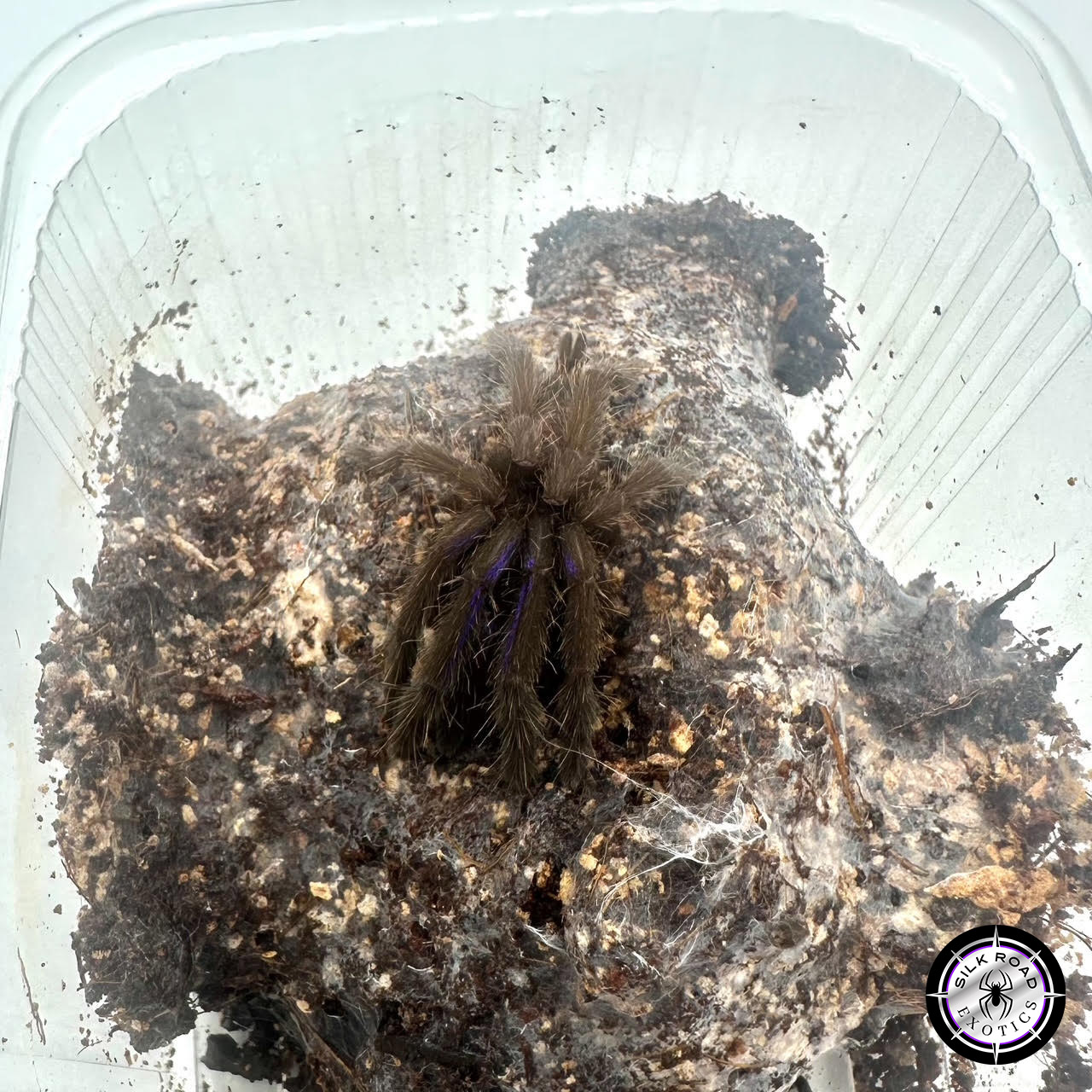
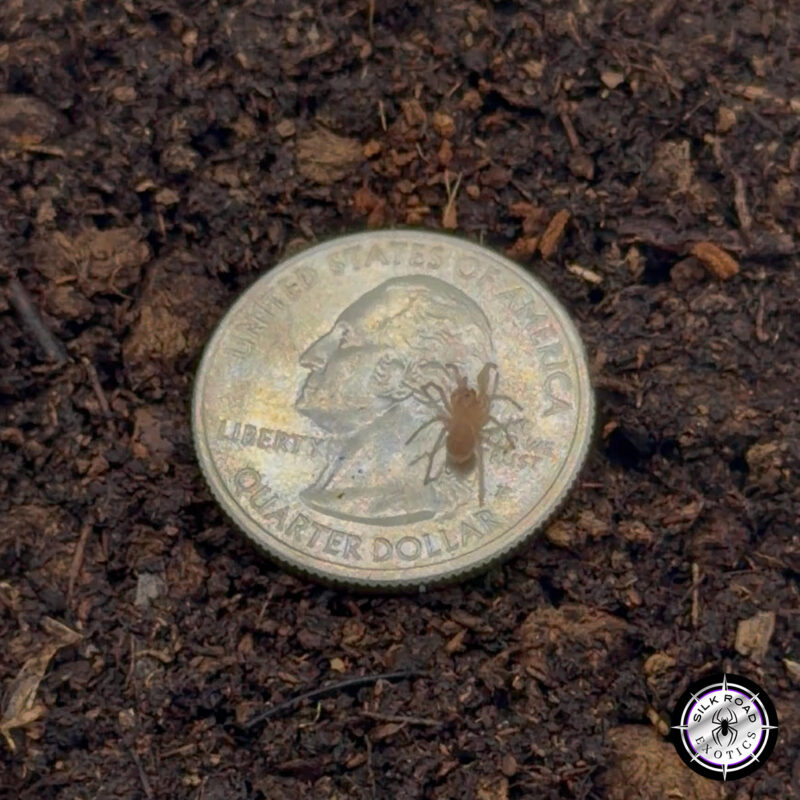
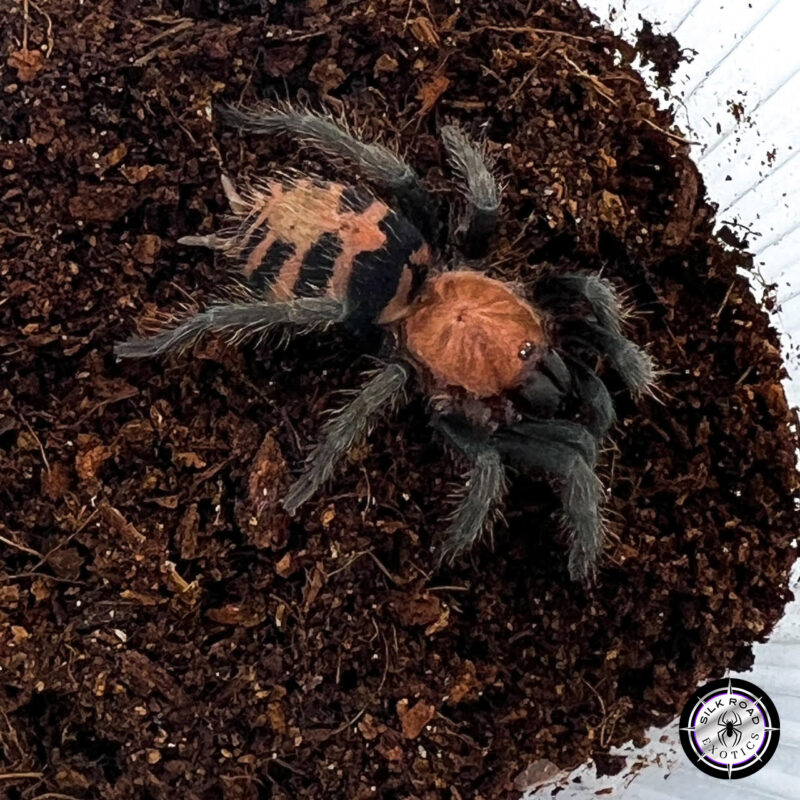
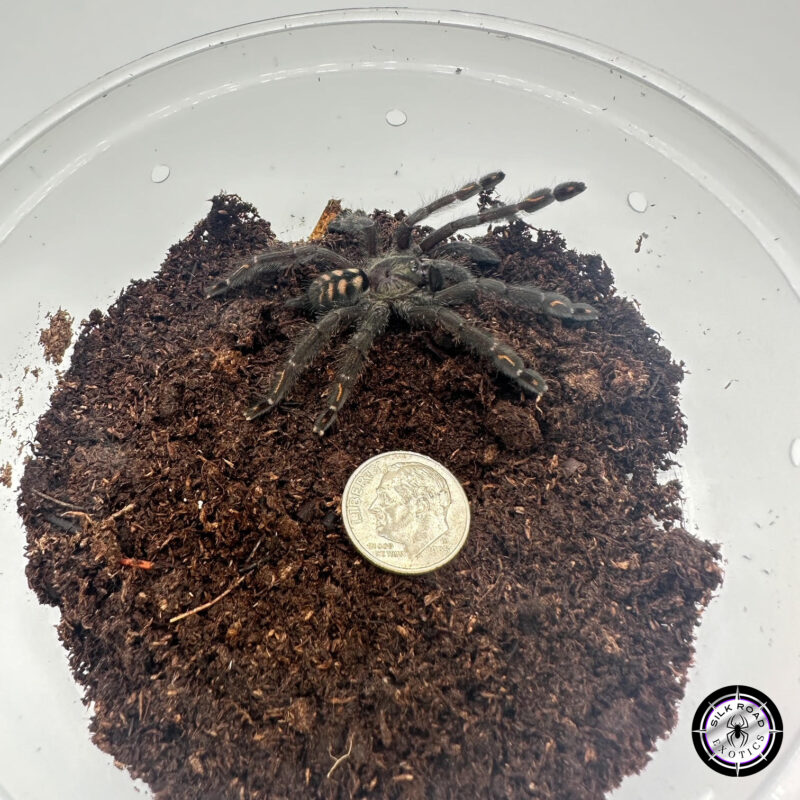
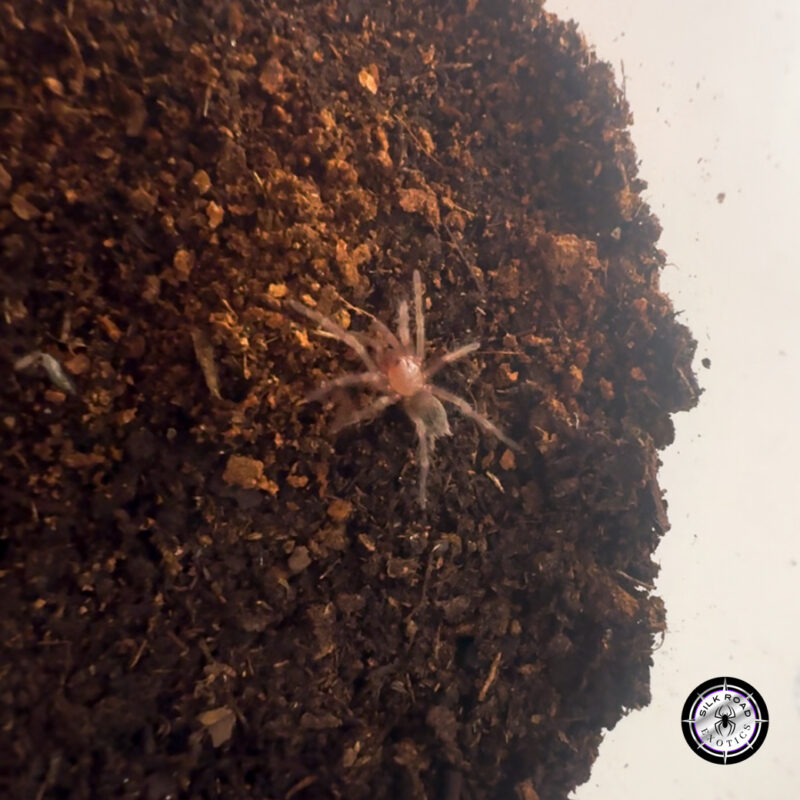
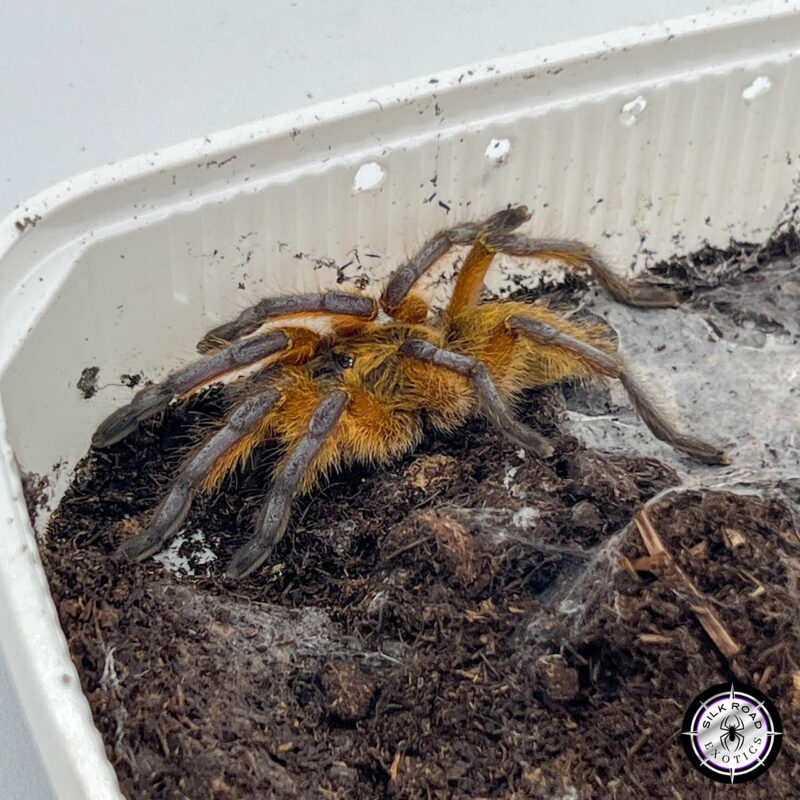
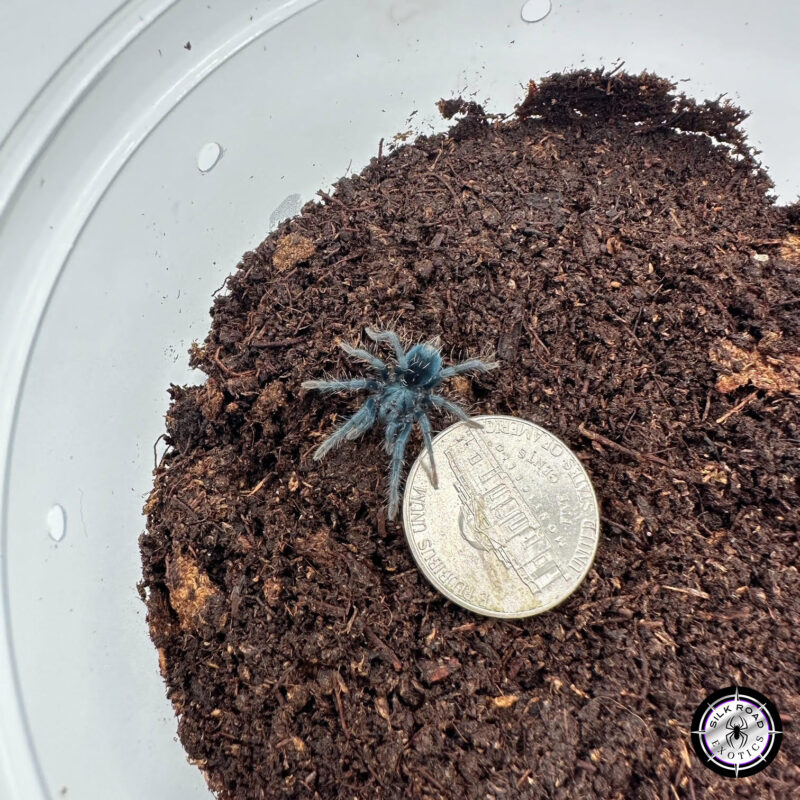
The Chilobrachys natanicharum, widely known in the hobby as the Electric Blue Tarantula, is a true crown jewel of the arachnid world. Hailing from the mangrove forests and tropical jungles of Thailand, this species possesses a structural blue coloration so intense it almost looks neon. Unlike many blue tarantulas that only show their color under specific lighting, the C. natanicharum displays a stunning metallic cobalt on its legs and chelicerae that is visible even in lower light, contrasted beautifully against a dark, velvety body.
What makes this species particularly rewarding for the intermediate to advanced keeper is its architectural skill. As a fossorial (burrowing) species, they are master engineers, constructing complex tunnel systems reinforced with heavy, brilliant white silk. While they are often described as reclusive, their feeding response is legendary—watching them burst from the mouth of a silk-lined burrow to snatch prey with lightning speed is one of the most exciting sights in the hobby. However, their beauty comes with a caveat: they are remarkably fast and possess a defensive “Old World” temperament.
Originally discovered in the wild inhabiting hollow trees and ground burrows, this species has become a flagship for the incredible biodiversity of Southeast Asia. By providing the correct deep-substrate environment, you aren’t just keeping a pet; you’re maintaining a piece of one of the world’s most unique ecosystems right in your home.
| Species | Chilobrachys natanicharum |
| Common Name | Electric Blue Tarantula |
| Origin | Thailand |
| Adult Size | 5-6 inches (12-15 cm) |
| Lifespan | Males: 2-3 years, Females: 10-12 years |
| Growth Rate | Fast |
| Temperament | Defensive, Very Fast, Reclusive |
| Care Level | Advanced |
| Type | Fossorial / Opportunistic Burrower |
| Handling | Not Recommended |
Enclosure Setup
Size and Orientation
Unlike arboreal species, the Electric Blue requires an enclosure that prioritizes depth. For an adult, a 5-10 gallon tank or a specialized acrylic enclosure is suitable, provided it allows for significant substrate depth. While they are opportunistic and may climb or web up the sides, their primary security comes from being underground.
Substrate (The Critical Step)
This is a fossorial species; they need to dig. Provide at least 5-7 inches of moisture-retaining substrate. A mix of 70% coco fiber or peat moss and 30% vermiculite or topsoil works best. Pack the substrate down firmly enough that their burrows won’t collapse. Keeping the lower layers of substrate slightly damp while allowing the surface to remain mostly dry is the key to a happy Chilobrachys.
Hide and Water
Start a “starter burrow” by digging a small hole against the side of the glass and placing a piece of cork bark over it. This often encourages them to build their tunnel where you can still see them. A consistent water dish is mandatory. These spiders are prone to dehydration if the air is too dry, and they will drink regularly from a shallow bowl.
Ventilation
Stagnant air is a killer for Thai species. Ensure your enclosure has good cross-ventilation. If you notice mold growing on the substrate, increase airflow immediately. The goal is “humid but airy,” never “swampy and still.”
Temperature and Humidity
Coming from tropical Thailand, they prefer warmer temperatures between 75-82°F (24-28°C). If your home stays within standard “t-shirt weather” ranges, they will generally thrive without supplemental heat. Humidity should be kept high, around 70-80%. Rather than misting the spider, periodically pour a small amount of water into one corner of the enclosure to soak the bottom layers of substrate, allowing moisture to wick up naturally.
Feeding
The Electric Blue is a voracious eater. Juveniles should be fed twice a week, while adults do well with one large meal every 7-10 days. They will readily accept crickets, Dubia roaches, and mealworms. Because they are shy, they may wait until the lights are out to pull the prey into their burrow. If the prey is still there the next morning, remove it to prevent it from bothering the spider during a molt.
Temperament and Handling
Handling is strictly discouraged. As an Old World species, the Electric Blue lacks urticating (itching) hairs, so its primary defense is its bite. Their venom is medically significant and can cause intense localized pain, swelling, and cramping. They are also incredibly fast; a startled C. natanicharum can move across an enclosure—or up an arm—in a fraction of a second. Always use long feeding tongs and a catch-cup when performing maintenance.
Molting
When the spider is ready to molt, it will retreat into its burrow and seal the entrance with a thick wall of silk. Do not attempt to “check” on the spider by opening the burrow. This process is delicate, and the humidity in the burrow is vital for a successful molt. Once the spider emerges, wait at least 7-10 days before offering food to ensure its fangs have hardened.
Common Mistakes to Avoid
Inadequate Substrate Depth: Keeping this spider on only an inch or two of dirt will cause chronic stress, as they cannot fulfill their instinct to burrow.
Over-misting: Spraying the spider directly or keeping the surface substrate soaking wet can lead to fungal infections. Focus on the bottom-up moisture method.
Mesh Lids: Avoid fine mesh screen lids, as their tarsal claws can get stuck, leading to dropped legs or fatal falls.
Ready to Add One to Your Collection?
We have the true Electric Blue Tarantula (C. natanicharum) available now with live arrival guaranteed.